
Honor’s Quest for Endurance Supremacy: Unveiling the Leaks Behind a Potential Mid-Range Battery Giant
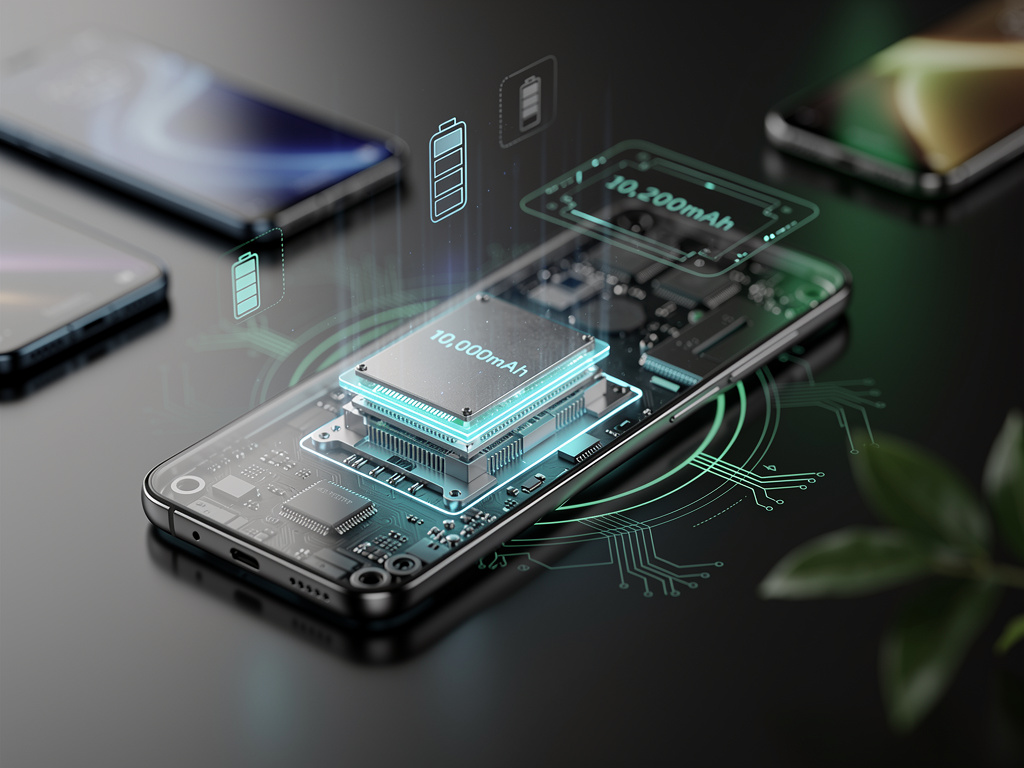
In the competitive arena of smartphone manufacturing, where innovation often hinges on balancing performance with practicality, Honor is poised to make a significant splash. Recent leaks suggest the company is developing a mid-range device equipped with an extraordinarily large battery, potentially redefining expectations for endurance in affordable handsets. According to a report from Android Central, this upcoming phone could feature a battery capacity that dwarfs many current flagships, addressing one of the most persistent pain points for users: battery life.
The leak, which surfaced just days ago, points to Honor’s exploration of advanced battery technologies to pack more power without compromising on design. Industry insiders speculate this could be part of Honor’s broader push to differentiate itself from parent company Huawei’s shadow, focusing on value-driven features that appeal to cost-conscious consumers. Details remain sparse, but the rumored specifications include a silicon-carbon anode battery, a technology that’s gaining traction for its ability to offer higher energy density compared to traditional lithium-ion cells.
This development comes at a time when smartphone makers are increasingly prioritizing battery size amid rising demands from power-hungry applications like AI processing and high-refresh-rate displays. Honor’s move aligns with a trend seen in devices from competitors like Samsung and Xiaomi, but the leaked figures suggest it might outpace them in sheer capacity. For industry observers, this isn’t just about longer usage times; it’s a strategic play to capture market share in emerging economies where charging infrastructure can be unreliable.
Battery Breakthroughs: Decoding the Silicon-Carbon Edge in Honor’s Arsenal
Delving deeper into the technology, silicon-carbon batteries represent a leap forward because silicon can store more lithium ions than graphite, the standard material in most anodes. However, silicon’s tendency to expand during charging has historically led to degradation issues, which companies like Honor are now mitigating through innovative composites. A certification mentioned in the Android Central report hints at Honor receiving approval for smartphones with this ultra-high-capacity tech, potentially enabling batteries up to 10,000mAh without increasing device thickness significantly.
Supporting this, a post on NotebookCheck.net details how Honor’s new battery won’t force compromises on slimness, with rumors of devices maintaining profiles under 9mm thick. This engineering feat could set a new benchmark for mid-range phones, where bulky designs have often been a tradeoff for larger batteries. Analysts note that such advancements stem from Honor’s investments in R&D, particularly since its split from Huawei, allowing it to collaborate more freely with global suppliers.
Comparisons with existing models illuminate the potential impact. For instance, Honor’s recently launched 500 series, as covered in a NotebookCheck.net article, already boasts an 8,000mAh battery paired with a Snapdragon 8 series chipset, delivering flagship-like performance at a fraction of the cost. The leaked mid-ranger could build on this, pushing capacities even higher to 10,000mAh, as speculated in reports from GizGuide, which highlighted the alleged Honor Power 2 with such specs.
Market Implications: How Massive Batteries Could Reshape Consumer Choices
The enthusiasm around these leaks is palpable on social platforms, with users on X expressing excitement over the prospect of multi-day battery life. Posts from tech enthusiasts praise Honor for targeting practical improvements over gimmicky features, reflecting a shift in consumer priorities toward reliability. This sentiment underscores a broader market dynamic where battery anxiety remains a top complaint, even as processors and cameras advance rapidly.
From an industry perspective, Honor’s strategy could pressure rivals to accelerate their own battery innovations. In China, where Honor has a strong foothold, competitors like Oppo and Vivo have introduced models with 6,000mAh-plus batteries, but none yet match the rumored 10,000mAh scale in mid-range segments. A GizGuide report suggests the Power 2 might debut soon, positioning Honor to dominate the endurance niche and appeal to gamers and heavy streamers who drain batteries quickly.
Moreover, this focus on mammoth batteries ties into sustainability trends. Larger capacities could reduce the frequency of charging cycles, potentially extending device lifespans and minimizing electronic waste. Industry insiders point out that Honor’s adoption of silicon-carbon tech, as outlined in a leak from Cashify News, aligns with global efforts to make batteries more efficient and less reliant on rare materials.
Competitive Pressures: Honor’s Positioning Amid Global Rivals
Examining Honor’s trajectory, the company has been aggressive in the mid-range category since gaining independence in 2020. Models like the Honor X70, slated for a mid-2025 release according to another NotebookCheck.net piece, promise faster charging alongside larger batteries, indicating a holistic approach to power management. This leaked device could be an evolution of that lineup, incorporating 5G support and enhanced displays to complement the battery prowess.
On the international stage, Honor faces stiff competition from Samsung’s A-series and Google’s Pixel A lineup, which emphasize software optimization over raw hardware specs. However, the leaked battery size could give Honor an edge in markets like India and Southeast Asia, where affordability and longevity are key selling points. A recent X post from a tech reviewer highlighted the Honor 500’s 8,000mAh unit as a game-changer, suggesting the new leak builds on that momentum.
Financially, this innovation could bolster Honor’s bottom line. With smartphone sales plateauing in mature markets, differentiating through hardware like oversized batteries might drive upgrades. Analysts estimate that mid-range devices with premium features could capture a larger slice of the $400-$600 price segment, where Honor has been expanding aggressively.
Technological Hurdles: Challenges in Scaling Up Battery Capacities
Despite the hype, scaling silicon-carbon batteries isn’t without challenges. Heat management becomes critical with larger capacities, as faster charging could lead to thermal issues if not engineered properly. The Android Central leak notes that Honor’s solution involves advanced cooling systems, but real-world testing will be key to validating these claims.
Integration with other components also poses questions. Pairing a massive battery with a mid-range processor like the Snapdragon 7 series requires optimized software to prevent inefficiencies. Insights from Phandroid reveal that the Honor 500’s specs include AI-driven battery management, a feature likely to carry over to this new model, ensuring that the extra capacity translates to tangible benefits.
Safety remains paramount, especially after past incidents with volatile batteries in the industry. Honor’s certification for 10,000mAh units, as per a Cashify News article, indicates rigorous testing, but insiders caution that global regulatory approvals could delay launches outside China.
Strategic Outlook: Honor’s Vision for Future Devices
Looking ahead, this leak signals Honor’s ambition to lead in battery innovation, potentially extending to foldables and wearables. Rumors from GizChina about the Honor GT 2 Pro suggest similar battery upgrades, hinting at a company-wide emphasis on endurance. For industry players, this could spark a race to develop even denser battery chemistries, like solid-state options still in R&D phases.
Consumer feedback on X underscores demand for such features, with users lamenting the short lifespans of current mid-rangers. Honor’s response appears tailored to these needs, blending affordability with cutting-edge tech. As one post noted, the combination of a 10,000mAh battery and fast charging could make daily top-ups obsolete for many.
In the broader context, Honor’s push reflects evolving user habits, from extended streaming sessions to remote work demands. By prioritizing battery life, the company not only addresses immediate concerns but also positions itself as a forward-thinking brand in a crowded field.
Ecosystem Integration: How Batteries Fit into Honor’s Broader Portfolio
Beyond standalone devices, these battery advancements could enhance Honor’s ecosystem, including smartwatches and tablets that sync seamlessly. The leaked mid-ranger might support reverse wireless charging at higher wattages, turning it into a portable power hub. This utility appeals to professionals who rely on multiple gadgets during travel.
Partnerships play a role too. Honor’s collaboration with Qualcomm for chipsets, as seen in the 500 series, ensures compatibility with power-efficient processors. A Phandroid report emphasizes how this integration delivers flagship features at mid-range prices, a formula that could be replicated here.
Economically, scaling production of silicon-carbon batteries might lower costs over time, benefiting the entire sector. Honor’s investments could democratize access to premium battery tech, much like how OLED displays became standard in budget phones.
Industry Ripples: Potential Shifts in Design and Standards
The ripple effects of Honor’s innovation might influence design standards industry-wide. If 10,000mAh becomes viable in slim profiles, expect a surge in similar announcements from rivals. This could lead to standardized testing for battery endurance, pushing manufacturers to disclose real-world metrics beyond lab figures.
For developers, larger batteries mean opportunities for more intensive apps without draining resources quickly. Gaming and AR experiences, in particular, stand to gain from extended playtimes.
Ultimately, as leaks continue to emerge, Honor’s mid-range behemoth could redefine value, proving that sometimes, the biggest wins come from solving the simplest problems. With launches potentially imminent, the industry watches closely to see if this battery giant lives up to the buzz.


 WebProNews is an iEntry Publication