
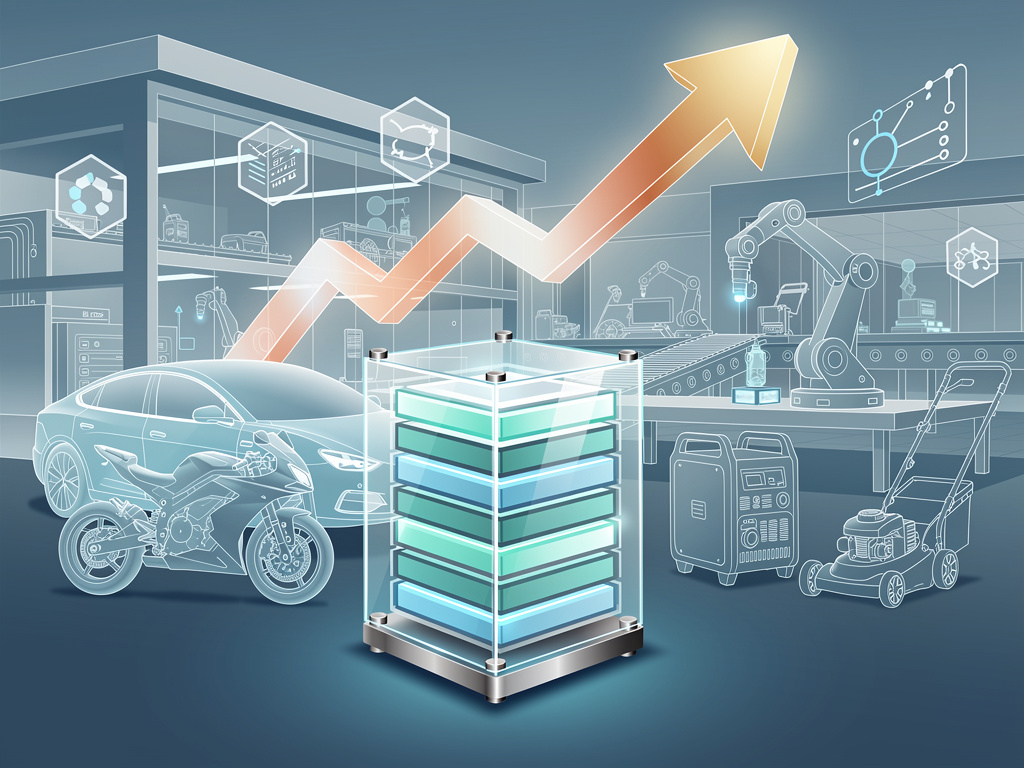
Honda once projected bold electric vehicle growth. It scaled back those targets earlier this year. Hybrids gained priority. Yet its research arm just struck a multi-year research pact with QuantumScape. The California company develops solid-state lithium-metal batteries. The deal marks another validation for a technology long stuck in labs.
The agreement focuses on advancing QuantumScape’s platform. Both sides will pool expertise on battery design and the processes needed to build it at volume. No commercial supply commitment exists yet. Still, the move carries weight. Honda R&D completed an in-depth evaluation first. Engineers ran hands-on tests. They benchmarked against rivals. Results impressed.
“QS technology demonstrated compelling and unique advantages during our evaluation,” said Atsushi Ogawa, chief operating officer of Honda R&D’s Research Center of Excellence. “We see potential for QS technology to add value across a range of applications, including automotive, and we are excited to move forward into the next phase of our partnership.” (QuantumScape Investor Relations)
Dr. Siva Sivaram, QuantumScape’s CEO, returned the praise. He called Honda’s assessment one of the most rigorous his team faced. The partnership, he added, shows rising belief in the batteries’ ability to deliver safer packs with higher energy density. (QuantumScape Investor Relations)
This isn’t QuantumScape’s first major automaker tie-up. Volkswagen’s PowerCo unit has worked with the startup for years. That relationship produced test cells installed in a Ducati motorcycle. Performance data looked promising. Honda’s entry broadens the circle. It also arrives at a moment when solid-state efforts face fresh scrutiny. Timelines slip. Costs stay high. Yet demand for better batteries never fades.
QuantumScape’s cells target key pain points. They promise greater energy per volume than conventional lithium-ion. Charging speeds improve. Safety margins widen because the solid separator reduces fire risk. Real-world data from the company’s QSE-5 samples backs some of those claims. One test showed 10-to-80% charge in 12.2 minutes at pack level. Energy density reached 844 watt-hours per liter in B-sample cells. Impressive on paper. Scaling remains the test.
Earlier this year QuantumScape opened its Eagle Line pilot facility in San Jose. The line produces samples for partners to evaluate. It also serves as a template for larger factories. Equipment there draws on processes that overlap significantly with existing lithium-ion production lines. That overlap matters. It could speed factory builds and lower capital needs. Honda’s manufacturing know-how may accelerate progress here. The Japanese company already operates its own solid-state pilot plant in Sakura, Japan. That facility started work in early 2025. (CNET)
Observers note the timing. Honda dialed down EV forecasts in 2026. Global sales targets dropped. The firm cited slower adoption and infrastructure gaps. Hybrids now carry more of the load. Yet research spending on next-generation storage continued. The QuantumScape pact suggests Honda wants options if battery breakthroughs arrive sooner than expected. Applications stretch beyond cars. Motorcycles. Power equipment. Stationary storage. Honda sells all of them. A compact, high-density pack could fit many.
Shares of QuantumScape jumped after the announcement. Gains topped 12 percent in early trading. Investors read the news as fresh proof that major car companies take the technology seriously. Skeptics remain. Solid-state developers have missed deadlines before. QuantumScape itself once aimed for earlier commercial cells. Delays pushed timelines. The company now stresses iterative gains and data from real prototypes.
But the Honda deal differs from past memorandums. It follows active testing. Engineers touched the hardware. They compared metrics side by side. That sequence builds credibility. “Honda is a leading global automaker renowned for its engineering excellence and product quality across automotive and other applications worldwide,” Sivaram noted. The evaluation carried extra sting because of that reputation. (Electrek)
Industry watchers point to broader trends. Carmakers grow impatient with incremental lithium-ion gains. Range anxiety lingers. Fast charging still stresses grids and batteries. Weight penalties hurt efficiency. Solid-state packs address several issues at once. No liquid electrolyte means less thermal runaway risk. Lithium metal anodes pack more ions. Ceramic or polymer separators block dendrites that once doomed early attempts.
QuantumScape’s approach uses a proprietary solid electrolyte separator. It works with lithium metal on the anode side and standard cathodes. The company claims this combination delivers high conductivity at room temperature without exotic cooling. Data packages shared with partners show cycle life that meets automotive needs in some formats. Real vehicles will decide the rest.
Honda’s own solid-state research dates back years. The Sakura pilot reflects serious investment, roughly $287 million committed through 2027. That plant tests sulfide-based electrolytes among other chemistries. Bringing QuantumScape’s ceramic separator into the picture could complement existing work. Or replace parts of it. Company statements stay quiet on exact technical overlap. The joint program will sort those questions over the coming years.
Analysts at recent reports highlight manufacturing as the decisive battlefield. Battery costs must fall. Yields must rise. Consistency across thousands of cells in a pack cannot waver. QuantumScape designed its pilot line with those constraints in mind. Cobra, its separator production process, targets gigawatt-hour scale from the start. Honda brings decades of high-precision assembly experience from engines to electronics. The combination could prove potent. (Benzinga)
Of course risks abound. Technical surprises surface during scale-up. Supply chains for specialty materials tighten. Capital markets sour. QuantumScape’s forward-looking statements carry the usual long list of caveats. Actual results may differ. Commercial cells could arrive later than hoped. Competitors in Asia and Europe chase similar goals with different materials. Factorial Energy partners with Mercedes, Stellantis and Hyundai. Others pursue oxide or sulfide routes.
Yet the field narrows. Only a few developers ship prototype cells that major OEMs test in vehicles. QuantumScape now counts two. Volkswagen’s long involvement provided early credibility. Honda’s recent evaluation adds independent confirmation. The next phase will test whether the platform survives deeper integration work. Pack design. Thermal management. Crash safety. All must align.
For Honda the bet looks pragmatic. It keeps options open while hybrids generate cash. If solid-state cells reach cost and performance targets by the early 2030s, the company can move quickly. Its research teams already understand the hardware. Manufacturing processes will have advanced in parallel. The partnership may also yield intellectual property useful across product lines. A lightweight battery for a scooter or generator delivers immediate value even if full-size EV packs take longer.
QuantumScape gains breathing room and fresh engineering input. Cash from earlier Volkswagen deals helped fund the Eagle Line. New partnerships could open additional doors. Licensing talks often follow successful joint development. No guarantees exist. The multi-year timeline gives both sides time to discover problems and fix them before anyone bets a factory.
The announcement lands amid steady progress across the sector. Pilot lines multiply. Test fleets expand. Data accumulates. Solid-state batteries no longer feel like distant science projects. They look like the next practical step once manufacturing wrinkles smooth. Honda and QuantumScape just increased the odds that step happens with their fingerprints on it.
And that matters. Carmakers cannot afford to sit out the next chemistry leap. Battery weight, cost and charging speed shape everything from vehicle design to total ownership expense. Get it right and new markets open. Miss it and established players lose ground to nimbler entrants. The quiet research deal between a Japanese icon and a Silicon Valley upstart may quietly tilt those odds.


 WebProNews is an iEntry Publication