
Honda has filed a patent application that outlines a simulated clutch mechanism designed specifically for electric motorcycles. The system aims to give riders the familiar feel and control of a traditional manual transmission while operating a fully electric powertrain. According to details shared in an Electrek article, the Japanese manufacturer believes this approach could address some of the disconnect many experienced motorcyclists feel when switching from combustion engines to instant-torque electric motors.
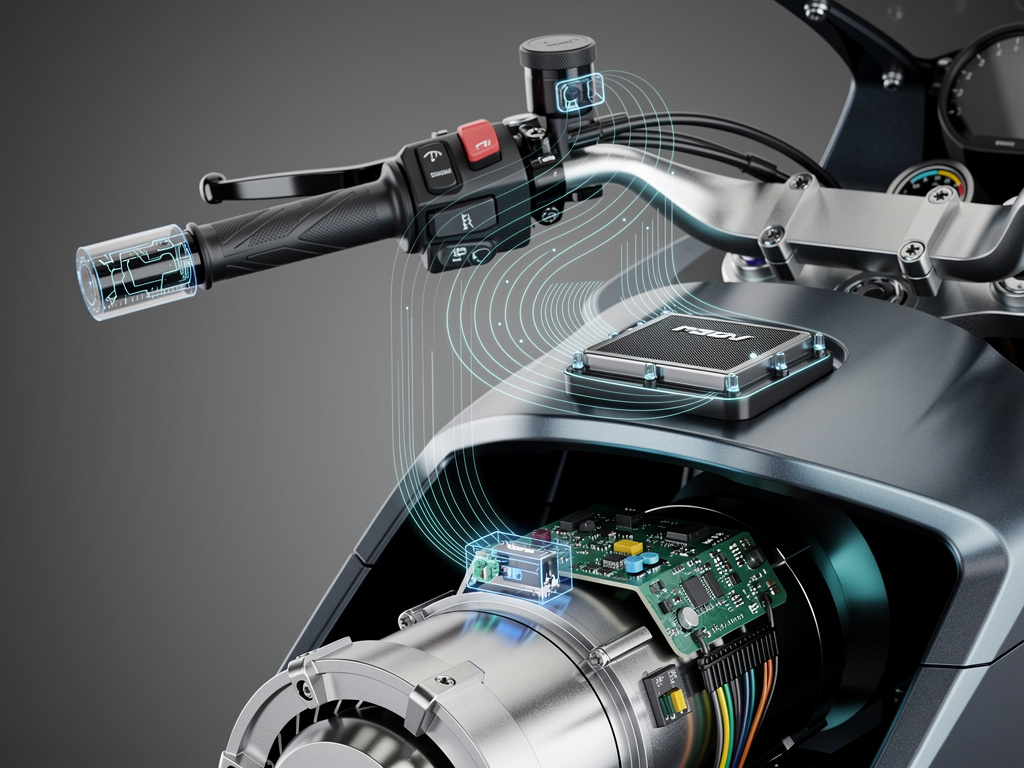
The patent describes a setup where the motorcycle retains a clutch lever on the left handlebar, just like conventional bikes. When the rider pulls the lever, the system does not actually disengage any mechanical clutch plates because none exist in the typical sense. Instead, sophisticated electronics and software interpret the lever position and modulate power delivery from the electric motor to mimic the behavior of a slipping clutch. This includes allowing controlled wheel slip during launches, modulating torque during gear changes, and providing engine braking simulation that responds to rider input.
At its core, the technology relies on precise sensors that monitor clutch lever travel, throttle position, wheel speed, and motor RPM. The bike’s electronic control unit then calculates the appropriate torque output curve to replicate the progressive engagement riders expect. For instance, pulling the clutch lever halfway might reduce drive torque by 50 percent while maintaining a degree of engine braking, exactly as a rider would experience on a gasoline-powered machine with a wet multi-plate clutch.
This idea addresses a genuine challenge facing the electric motorcycle segment. Many riders who grew up on sport bikes or dirt bikes appreciate the tactile feedback and precise control that a manual clutch provides. The direct connection between hand, lever, and rear wheel helps experienced riders manage traction on imperfect surfaces, execute smooth launches from a stop, and perform advanced techniques such as clutch-kick drifts or wheelie control. Pure electric motorcycles often replace this with a single-speed transmission or automatic power delivery, which can feel one-dimensional to riders accustomed to mechanical interaction.
Honda’s approach appears to target that specific audience without compromising the inherent advantages of electric propulsion. The motor can still deliver instant torque when the simulated clutch is fully engaged, yet the system offers the option to feather power delivery for those critical moments when finesse matters more than outright acceleration. The patent also suggests the simulated clutch could integrate with multiple riding modes, allowing beginners to use a more forgiving map while experts dial in sharper response curves that closely match the behavior of specific internal combustion motorcycles they already own.
Beyond rider preference, the technology could offer practical benefits for motorcycle training programs and licensing courses. Many countries still require demonstration of manual clutch operation during motorcycle license tests. A bike that provides an authentic-feeling clutch experience while remaining electric could help training fleets reduce emissions and maintenance costs without forcing students to learn on outdated equipment. Instructors could adjust the simulation parameters to gradually increase difficulty as students progress, creating a more structured learning path.
The patent drawings indicate that Honda envisions this system working with a conventional-looking gearbox shifter, even though the transmission itself would not contain actual gears. Instead, the foot lever would send signals to the motor controller to adjust torque mapping and perhaps vary simulated engine braking levels. This maintains the familiar up-and-down shifting rhythm that riders associate with each gear change, complete with audible cues if the manufacturer adds synthetic sound generation tied to the simulated RPM.
Honda has a long history of developing rider aid technologies that preserve the emotional connection to motorcycling while improving safety and performance. The company’s selectable torque control systems and cornering ABS already demonstrate a philosophy of enhancing rather than replacing traditional riding skills. This simulated clutch concept follows that same pattern by giving riders the tools they expect while hiding the complex electronic orchestration underneath.
Implementation would likely involve significant calibration work. Electric motors respond far faster than combustion engines, so engineers must carefully tune the rate at which torque builds or decays when the clutch lever moves. Too abrupt and the simulation feels artificial. Too slow and riders lose the precise modulation they rely upon. The system must also account for different tire compounds, road surfaces, and even rider weight to maintain consistent behavior across varied conditions.
Temperature management presents another consideration. Electric motors and controllers generate substantial heat during sustained high-load operation. The simulated clutch system might incorporate thermal models that adjust power delivery to prevent overheating while still trying to maintain the expected clutch feel. Riders might notice subtle changes in response during extended track sessions, much like how a real clutch heats up and changes its engagement characteristics.
Market reception will likely split along experience levels. New riders who never developed strong attachments to manual transmissions may see little value in adding complexity. They might prefer the pure simplicity of twist-and-go electric power. Conversely, enthusiasts who maintain collections of classic motorcycles could embrace a modern electric bike that respects their existing skill set and muscle memory. The ability to practice techniques on a zero-emission machine without disturbing neighbors or burning fuel holds obvious appeal for track day regulars and urban riders alike.
Cost represents a potential barrier. Adding high-resolution position sensors, additional processing power, and sophisticated software calibration increases manufacturing expenses. Whether consumers will pay a premium for this feature depends largely on how convincingly Honda can replicate the mechanical feel. Early prototypes will need to demonstrate that the system offers tangible benefits rather than mere novelty.
The patent also leaves room for additional features. Engineers could program multiple clutch profiles that emulate different types of motorcycles. One setting might feel like a heavy cruiser with a broad power band and progressive engagement. Another could simulate a high-revving sport bike with a sharper bite point. Riders might even adjust the virtual clutch’s friction characteristics or engagement speed through a smartphone application or the bike’s dashboard menu.
Integration with regenerative braking adds another layer of complexity and opportunity. Traditional motorcycles use engine braking to slow down when the throttle closes. An electric motorcycle can achieve similar deceleration through regen, but the transition must feel natural when combined with the simulated clutch. The system could vary regen strength based on clutch lever position and simulated gear selection, creating a cohesive experience that mimics the way an internal combustion engine responds during downshifts.
Honda is not alone in exploring ways to bridge the gap between electric powertrains and traditional motorcycle controls. Other manufacturers have experimented with haptic feedback systems, artificial engine sound generators, and variable throttle mapping. However, Honda’s focus on the physical clutch lever stands out because it directly engages with one of the most used controls on any motorcycle. The lever itself becomes an input device that translates human intention into electronic commands with greater nuance than a simple button or touchscreen interface.
From an engineering standpoint, the system requires careful redundancy and fail-safe measures. If the simulation fails, the motorcycle should default to a safe operating mode that still allows the rider to reach a service center or safe stopping place. This might mean bypassing the clutch simulation entirely and delivering torque directly proportional to throttle input, similar to most current electric motorcycles.
The patent application reveals that Honda has considered both street and off-road applications. Dirt bike riders often use the clutch to control rear wheel traction over rough terrain or to maintain momentum through technical sections. A well-executed simulation could provide similar benefits while eliminating the need for frequent clutch maintenance that plagues competition dirt bikes. Reduced mechanical wear translates to lower operating costs and less downtime between events.
Looking further ahead, this technology could influence how future electric motorcycles evolve. Rather than viewing the transition to electric power as a complete break from established riding practices, manufacturers might focus on preserving key tactile elements that define the motorcycle experience. The sound, the vibration, the mechanical engagement points, all contribute to the emotional connection riders feel. By finding ways to simulate these elements convincingly, companies can accelerate adoption without alienating their core customer base.
Honda’s patent arrives at a time when electric motorcycle technology has reached a level of maturity that allows serious consideration of such refinements. Battery energy density continues improving, motor power-to-weight ratios look impressive, and charging infrastructure expands steadily. With the fundamental performance questions largely answered, attention turns toward refinement and rider experience. This simulated clutch represents exactly that kind of refinement.
The success of this concept will ultimately depend on real-world testing and rider feedback. Patents often describe ambitious ideas that never reach production, but Honda has a track record of bringing advanced motorcycle technologies to market when they demonstrate clear benefits. If the system can deliver a convincing and satisfying experience that respects rider skill while offering the practical advantages of electric propulsion, it could help expand the appeal of electric motorcycles beyond early adopters and technology enthusiasts.
Implementation details remain confidential at this stage, but the patent suggests a comprehensive approach that considers every aspect of clutch operation from initial take-up to full lockup. The level of detail indicates serious engineering investment rather than a casual exploration. Whether this particular system reaches showrooms or serves as a stepping stone toward even more refined solutions, it signals that motorcycle manufacturers continue thinking creatively about how to make electric bikes feel authentic to those who love the mechanical nature of riding.
As electric powertrains become more common across all vehicle categories, solutions that maintain the character of traditional machines will likely find receptive audiences. Honda’s simulated clutch concept demonstrates one manufacturer’s attempt to honor motorcycling heritage while embracing future technology. The coming years will reveal whether this particular approach resonates with riders or whether different solutions emerge as the market matures. For now, the patent stands as evidence that the conversation around electric motorcycle design has moved beyond basic performance metrics toward more nuanced considerations of feel, control, and rider satisfaction.


 WebProNews is an iEntry Publication