
The AI Data Deluge: Unpacking the Hard Drive Price Explosion
In the ever-evolving world of technology hardware, few components have seen as dramatic a resurgence as the humble hard disk drive (HDD). Once overshadowed by faster solid-state drives (SSDs), HDDs are now at the center of a pricing storm that has sent costs soaring by an average of 46% since September 2025. This surge, driven by a confluence of global demand pressures and supply chain constraints, is reshaping how consumers, businesses, and data centers approach storage needs. Industry analysts point to artificial intelligence (AI) as the primary culprit, with its insatiable need for vast data repositories pulling resources away from traditional markets.
The numbers tell a stark story. A popular 24TB Seagate BarraCuda drive, which retailed for around $340 just months ago, now commands prices upward of $500 in many outlets. This isn’t an isolated case; across the board, high-capacity HDDs have experienced price hikes ranging from 40% to 60%, according to recent market tracking. Suppliers warn that these increases are not temporary blips but part of a sustained trend that could persist through 2026 and beyond, as production capacities struggle to keep pace with exploding demand.
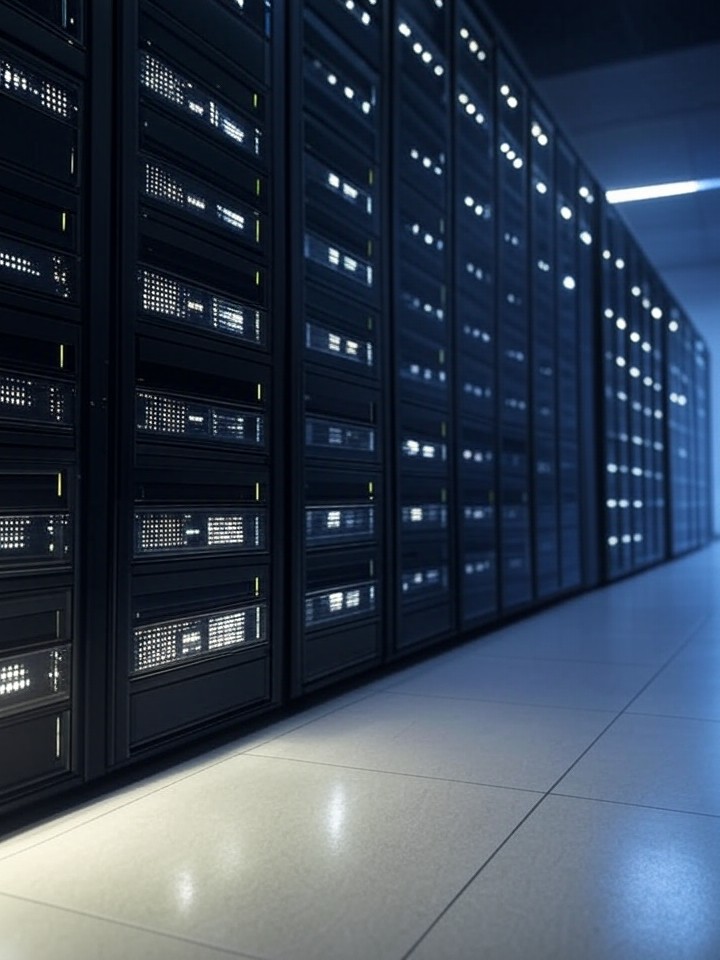
At the heart of this upheaval is the AI boom. Data centers powering AI models require enormous storage volumes for training datasets, logs, and inference operations. Unlike consumer applications where speed is paramount, AI infrastructure often relies on cost-effective, high-density HDDs for bulk storage. This shift has led major tech firms to hoard drives, effectively squeezing supply for everyone else. Reports indicate that AI-related orders have backlogged production lines, leaving smaller buyers scrambling.
AI’s Insatiable Storage Demands
The ripple effects extend beyond just HDDs. Parallel shortages in RAM and high-capacity SSDs are exacerbating the situation, creating a perfect storm for hardware costs. For instance, memory prices for 64GB RDIMM modules jumped from $255 in the third quarter of 2025 to $450 by year’s end, with projections reaching $700 by March 2026. This interconnected web of component scarcities underscores how AI’s growth is straining the entire ecosystem of computing hardware.
China’s role in this dynamic cannot be understated. A government-led push to bolster domestic PC manufacturing and data infrastructure has spiked demand for HDDs within the country. Combined with U.S.-based AI expansions, this has created a global tug-of-war over limited manufacturing output. Suppliers like Seagate and Western Digital, which dominate the HDD market, have reported their biggest quarterly price increases in eight years, attributing the pressure to these dual forces.
Industry insiders note that production adjustments are lagging behind. HDD manufacturing involves complex processes, including precision plating and assembly, which can’t be scaled overnight. As a result, contract negotiations for the fourth quarter of 2025 saw prices locked in at elevated levels, with warnings of continued upward pressure. One analysis from Tom’s Hardware highlights how this collision of AI infrastructure and China’s PC initiatives is pulling legacy technology back into the limelight.
Supply Chain Strains and Market Responses
Consumers are feeling the pinch most acutely. Home users building or upgrading PCs, as well as small businesses maintaining servers, now face budgets stretched thin. On platforms like Reddit, threads lament doubled prices over the past year, with one user recalling 12TB drives at $90 in mid-2024, now fetching far more. This sentiment echoes across social media, where posts on X (formerly Twitter) describe the surge as a “crisis” for hobbyists and homelab enthusiasts.
Businesses, particularly in data-intensive sectors like cloud services and media production, are adapting by exploring alternatives. Some are shifting to hybrid storage solutions, combining SSDs for speed with HDDs for capacity, though even SSD prices are climbing due to similar AI-driven demands. A report from Ars Technica details how the RAM shortage is spilling over to GPUs and large SSDs, making high-end configurations harder to source.
Forecasts suggest the trend will intensify. Morgan Stanley’s research, as shared in posts on X, has revised 2026 pricing upward by 62% for DRAM and 75% for NAND flash, citing tightening supply against AI-fueled demand. This isn’t mere speculation; with all 2026 SSD production reportedly sold out already, according to various industry warnings, the storage market is entering uncharted territory.
Broader Economic Implications
The economic fallout is multifaceted. For manufacturers, higher prices offer a boon amid rising raw material costs and geopolitical tensions affecting supply chains. Yet, this comes at the risk of alienating price-sensitive segments, potentially accelerating a shift toward emerging technologies like tape storage or advanced SSDs for long-term archiving.
On the consumer side, the surge is prompting a reevaluation of needs. Many are opting for lower-capacity drives or refurbished units to mitigate costs, while others delay upgrades altogether. This hesitation could slow innovation in personal computing, as builders weigh the merits of investing in systems amid volatile pricing.
Globally, the disparity in access is widening. Developing markets, already grappling with import duties and currency fluctuations, may see even steeper effective increases. In contrast, large enterprises with bulk purchasing power negotiate better deals, further entrenching market inequalities.
Technological Shifts and Future Projections
Looking ahead, experts predict that HDD prices could climb another 40% to 60% in 2026, with some speculative posts on X warning of doublings by 2027 if demand doesn’t abate. This projection aligns with data from eTeknix, which attributes the 46% average surge directly to AI’s expansion.
Innovation may offer relief. Advances in HDD technology, such as heat-assisted magnetic recording (HAMR), promise higher densities that could eventually ease supply pressures. Seagate, for one, is ramping up HAMR production, aiming to deliver 30TB+ drives that might stabilize costs by increasing per-unit capacity.
However, these developments take time. In the interim, regulatory scrutiny could emerge, especially if antitrust concerns arise over market concentration in storage manufacturing. With only a handful of players controlling the HDD space, calls for diversification are growing.
Impacts on Adjacent Industries
The price hike’s tendrils extend to related fields. In the gaming industry, where large storage is essential for expansive titles, developers and players alike are adapting. Console makers might bundle smaller drives or push cloud saves, while PC gamers hunt for deals amid scarcity.
Enterprise IT departments are rethinking data strategies, prioritizing efficiency to stretch existing hardware. This includes deduplication techniques and AI-optimized storage management, ironically using the very technology driving the shortage to combat its effects.
Educational and research institutions, often operating on tight budgets, face hurdles in maintaining data archives. One university IT manager, quoted in a PCMag article, described the surge as “disruptive to long-term projects,” forcing reallocations from other resources.
Consumer Strategies and Market Sentiment
To navigate this environment, savvy buyers are turning to monitoring tools and secondary markets. Sites like eBay see increased traffic for used HDDs, though reliability concerns persist. Bulk purchasing cooperatives among small businesses are also emerging as a countermeasure.
Public sentiment, as gauged from posts on X, mixes frustration with resignation. Users decry AI as the “victimizer” of affordable tech, with one viral thread noting a 246% SSD price increase since early 2025. This echoes broader discussions on how AI’s benefits come at hidden costs to everyday users.
Analysts from PC Gamer argue that without a slowdown in AI adoption or breakthroughs in supply, prices won’t drop soon. This view is supported by trend analyses showing external drives leading sales growth while internal ones lag, per data from Accio’s 2025 report.
Pathways to Stabilization
Potential stabilizers include expanded manufacturing in regions like Southeast Asia, diversifying away from concentrated hubs. Trade policies easing component imports could also help, though ongoing U.S.-China tensions complicate this.
Environmental factors play a role too. HDD production’s energy intensity is under scrutiny, with calls for greener alternatives potentially reshaping priorities. If sustainable options gain traction, they might alleviate some demand on traditional drives.
Ultimately, the hard drive price surge serves as a bellwether for tech’s broader challenges. As AI continues to dominate, balancing innovation with accessibility will be key. For now, stakeholders must adapt to a reality where storage, once a commodity, has become a premium asset.
Echoes from the Past and Lessons Learned
Historically, similar spikes occurred during the cryptocurrency mining boom, when GPU prices soared. Lessons from that era—such as ramping up production and diversifying suppliers—could inform current strategies. Yet, AI’s scale dwarfs past events, demanding more robust responses.
Community forums like Reddit’s r/homelab capture the grassroots impact, with users sharing tips on extending drive lifespans through RAID configurations and data pruning. This ingenuity highlights resilience amid adversity.
In closing, while the surge presents hurdles, it also spurs progress. By addressing root causes, the industry can emerge stronger, ensuring that the data deluge benefits all, not just the tech titans. For deeper insights, the original reporting from Slashdot provides a comprehensive aggregation of these developments.


 WebProNews is an iEntry Publication