
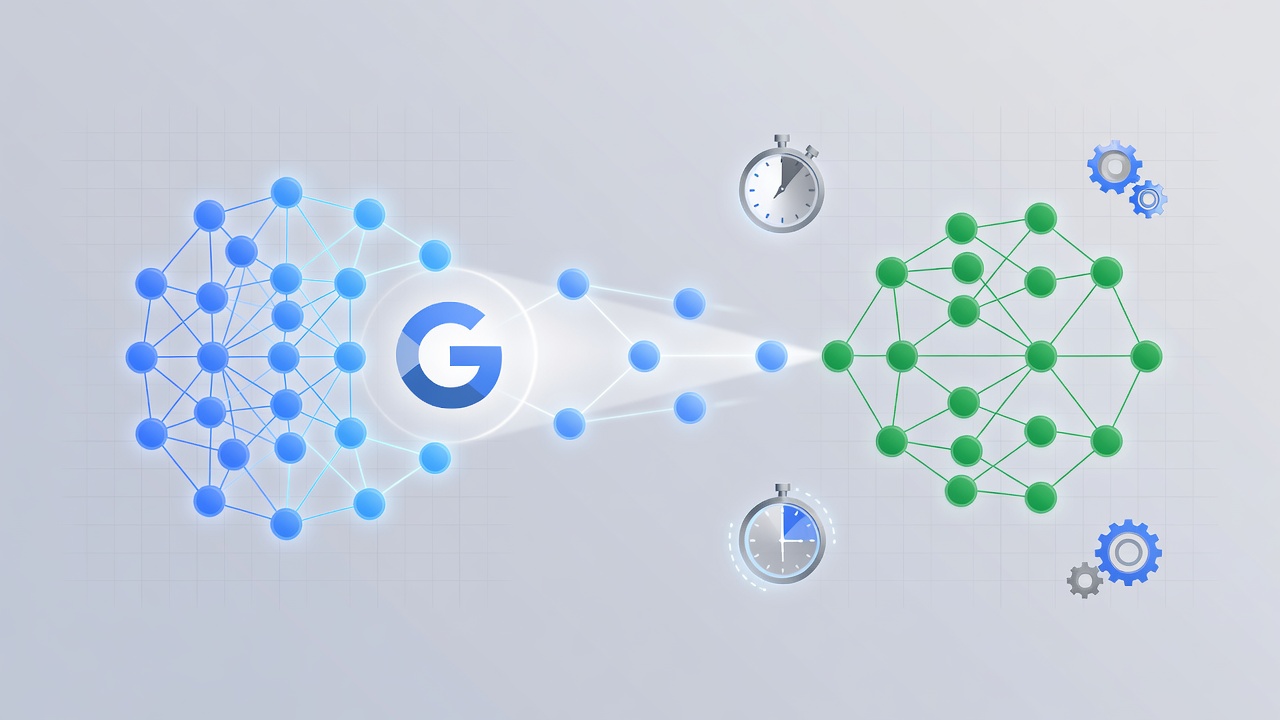
Google updated its official guidance on fixing canonicalization problems yesterday. The change adds explicit timelines that many search professionals have long suspected but rarely heard stated so plainly. Even after you correct the signals, the company may keep pages grouped in the same duplicate cluster for up to two weeks.
The revision appears at the top of the Fix Canonicalization Issues page on Google Search Central. It reads, “Even after fixing content issues, Google might hold pages in a duplicate cluster for up to two weeks.” A follow-up sentence drives the point home. “Pages will generally split out faster if the difference between the new content and the other clustered pages is clear and significant.”
Search Engine Land first reported the tweak this morning. Its story quotes the exact language and notes the practical benefit. Knowing the window exists stops teams from repeatedly tweaking pages before the system has time to respond. Barry Schwartz covered the same update for Search Engine Roundtable within hours. His piece includes screenshots of the new text and highlights an accompanying edit to the main canonicalization document. Google now states in bold that when it finds multiple pages with “the same or the primary content very similar, it clusters them together.”
These clarifications land at a moment when large sites wrestle with parametric URLs, localized variants, and syndicated material. Duplicate clusters form easily. Once formed, they prove sticky. SEO managers at enterprise brands have watched traffic flatline while they waited for re-evaluation. Some refreshed content daily. Others submitted URLs through Search Console in rapid succession. Both approaches often backfired.
The updated document stresses that re-evaluation takes time. It recommends using the Request Indexing feature sparingly because of built-in quotas. Reserve it for your highest-value pages. And even then, expect the full two-week period in many cases. The advice aligns with what Google’s John Mueller has said in past office hours and forums. Canonical tags serve as strong hints, not ironclad directives. The engine still evaluates quality, user signals, and content depth before it splits clusters.
But here’s the sharper edge. Content difference now carries measurable weight. Minor edits won’t cut it. The guidance implies that superficial changes, a new headline here, an extra paragraph there, may not trigger faster separation. Teams must create substantive divergence. That could mean expanding a product description by several hundred words, adding original research, or introducing unique features. Only then does the system appear more likely to accelerate the split.
Industry reaction on X arrived fast. SEO consultant Glenn Gabe shared the update with his followers and noted the exact new wording. Barry Schwartz posted screenshots and linked back to his article. The consensus? Relief mixed with mild frustration. Many practitioners already budgeted three to four weeks for canonical corrections in their project plans. Official confirmation removes guesswork. It also forces harder conversations with stakeholders who expect instant results.
Consider a typical ecommerce scenario. A retailer launches a new filtering system that generates thousands of parameter-laden URLs. Canonical tags point to the base category pages. Yet Google clusters dozens of variants together because the content looks too similar. The team rewrites title tags, meta descriptions, and introductory copy. Traffic stays suppressed. Under the old documentation, panic set in after seven days. Now teams have clearer expectations. They can brief leadership accurately. “We fixed the signals. Give it the full two weeks.”
The document also walks through common failure modes. Language variants without proper hreflang annotations often stay clustered. Incorrect canonical elements injected by CMS plugins create self-inflicted wounds. Server misconfigurations that return cross-domain results confuse the crawler. Syndicated content from partners can trigger unwanted clustering unless indexing is explicitly blocked. In extreme cases, hacked sites see malicious redirects or links force the wrong canonical.
Google advises checking the URL Inspection tool first. It reveals which page the engine currently treats as canonical. If that choice differs from your preference, ask whether Google’s selection actually serves users better. Quality often trumps signals. A thinner page with stronger backlinks or fresher information may win the canonical slot despite your best efforts.
So what should SEO teams do differently tomorrow? Map your duplicate clusters using Search Console reports and log files. Identify pages where content similarity scores exceed 80 percent. Rewrite those pages with substantial new material before you update canonical tags or internal links. Monitor crawl patterns for at least 14 days after changes go live. Avoid hammering the Request Indexing button on every URL. Focus quota on money pages.
Larger organizations may need to adjust ticketing systems and SLAs. A canonical fix ticket that once closed in five days now carries a two-week resolution expectation. That shift affects reporting dashboards, client communications, and even hiring profiles. Teams need professionals who understand patience as much as they understand code.
The timing also matters for algorithm update recovery. Sites hit by core updates sometimes see canonical issues surface as collateral damage. Thin content gets clustered more aggressively. The new guidance gives those sites a clearer recovery timeline. Fix the content first. Then wait. Dramatic ranking swings before the two-week mark are unlikely.
Of course, not every duplicate problem stems from clustering. Some result from conflicting redirect chains, self-referencing canonical errors, or hreflang misfires. The document covers those cases in detail. Yet the fresh emphasis on cluster persistence suggests Google’s systems have grown more conservative. Once pages are grouped, the bar for separation sits higher than many assumed.
Search professionals have requested clearer timelines for years. Google’s documentation historically spoke in generalities. Crawl budget, indexing waves, and re-evaluation appeared without firm windows. This update marks a departure. It quantifies one specific delay. That alone represents progress.
Still, two weeks is not a guarantee. Some clusters may resolve faster when differences are stark. Others could linger longer if the site sends mixed signals elsewhere. The guidance remains probabilistic. Clear and significant content changes improve the odds. They do not eliminate variability.
Enterprise SEO platforms may soon incorporate these timelines into their recommendations. Alerts that once urged immediate action could add cooling-off periods. Reporting templates might include “expected resolution” columns that default to 14 days for canonical issues. Such changes would embed Google’s own words into daily workflows.
The update arrives alongside other documentation refreshes. Google has grown more transparent about how its systems cluster similar content. That transparency helps. It reduces the black-box frustration that has defined parts of technical SEO for decades. Teams can now set expectations with greater confidence. They can also diagnose problems more accurately when results deviate from the stated norms.
One lingering question remains. How many sites currently sit in stale duplicate clusters because their owners gave up after one week of waiting? The new text may prompt fresh audits. SEOs will revisit old tickets, resubmit key URLs, and strengthen content gaps they previously considered minor. Some of those efforts will pay off in the coming month. Others will confirm that the two-week window is real.
Either way, the conversation has shifted. Canonicalization is no longer just about getting the tag right on day one. It’s about understanding the full lifecycle of a cluster, from formation through re-evaluation to final separation. Google has handed practitioners a better map. The terrain still takes time to cross. But at least now everyone knows how long the journey typically lasts.


 WebProNews is an iEntry Publication