
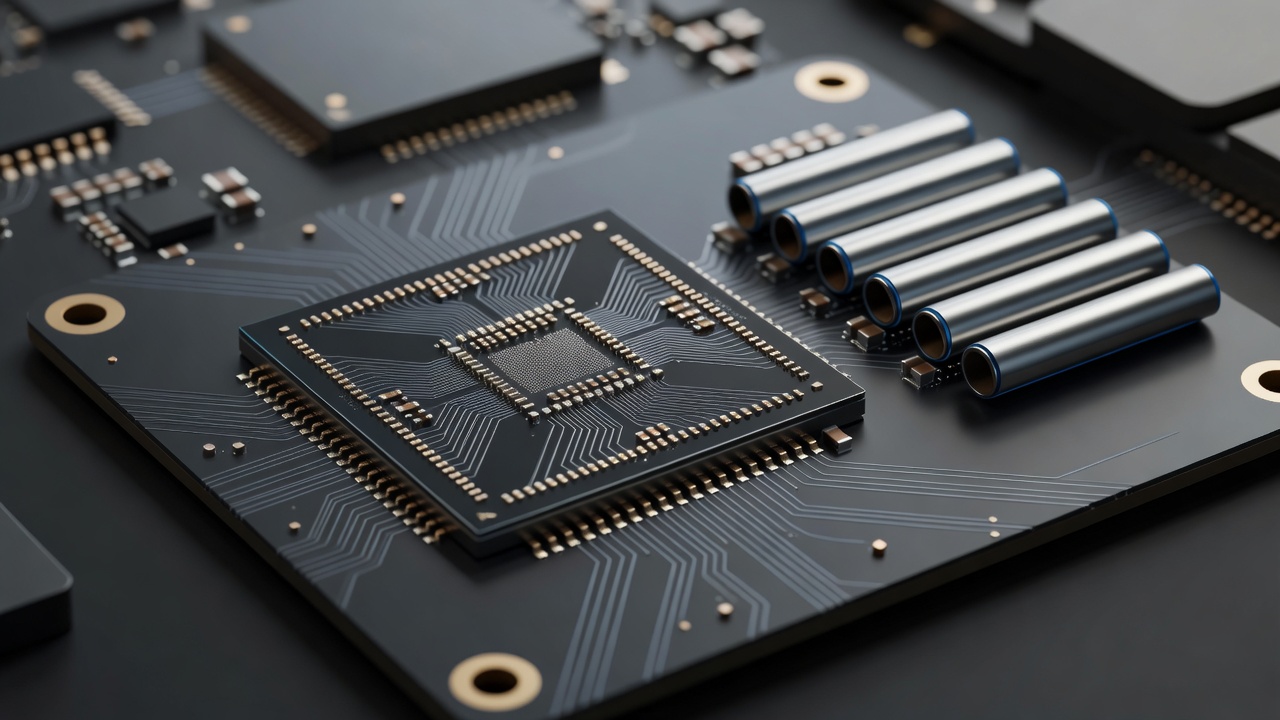
Google’s invitations for the Pixel 11 event hit inboxes this week. Leaks followed fast. They painted a picture of the Tensor G6 chip inside. On paper it looks like a step back. Seven cores instead of eight. A GPU with roots in 2021. Benchmark watchers sounded the alarm. Yet one analysis stands out for its contrarian take.
Android Police argues the moves make sense. Author Ben Khalesi wrote on July 12, 2026, that the design admits what Pixels actually need. Daily reliability over peak scores. Sustained performance instead of brief bursts that drain the battery. The piece lands just as the August 12 launch approaches. It reframes criticism as shortsighted.
Start with the CPU. Leaks describe one ARM C1-Ultra core at 4.11 GHz, four C1-Pro cores at 3.38 GHz, and two more at 2.65 GHz. Seven cores total. The Tensor G5 used eight. A missing core reads like a loss. But the new ARM generation leapfrogs ahead. Those C1 cores pack SME2 extensions built for AI work at lower power. Google trades one core for efficiency that holds up longer.
The GPU draws sharper complaints. Reports point to Imagination’s PowerVR CXTP-48-1536. Its architecture dates to 2021. Ray tracing support may arrive in an updated variant. Still, it lags behind the latest from Qualcomm or MediaTek. Gamers will notice. Khalesi dismisses the worry. “To a spec-sheet warrior, that reads like surrendering mobile gaming to Snapdragon,” he wrote. “But judged by daily use, this is the call you’d want Google to make.” Short sentence. Strong point.
And the numbers obsession hurts. Phones chase high Geekbench runs and frame rates. They heat up fast. Throttling follows. Battery drains quicker. Google’s past Pixels have faced complaints on endurance despite incremental gains. The Tensor G6 shifts priorities. Fabricated on TSMC’s 2nm process, it packs more transistors. The company could push clocks higher for bigger benchmarks. Instead it holds performance steady and stretches battery life. That choice echoes Apple’s M-series approach. Sustained output matters more in real scenarios. A long Android Auto session in a hot car. Hours of navigation. Background AI tasks that never quit.
But the modem may deliver the biggest practical win. Past Pixels relied on Samsung Exynos modems. They caused weak signals, excessive battery drain even at idle, and spotty hotspot performance. The Tensor G6 switches to MediaTek’s M90. Recent FCC filings for the Pixel 11 Pro Fold back this up. They reference MediaTek algorithms in RF testing. Android Authority reported the detail on July 10, 2026. A modem runs constantly. It scans towers and satellite links. An efficient one saves power when the screen sleeps. This single component could quiet years of user frustration.
Other upgrades target Google’s AI ambitions. A new TPU codenamed Santafe handles on-device inference. The custom image signal processor, called Metis or GXP, feeds the 50-megapixel main sensor. Titan M3 updates the security hardware. These blocks consume memory and power. Leaks suggest the base Pixel 11 ships with 8GB of RAM. That figure raises eyebrows. On-device Gemini models reportedly need 12GB or more. Heavy computational photography adds pressure. Background apps might reload constantly. Stutters could appear. The efficiency gains risk being wasted if memory starves the system.
Earlier coverage captured the tension. Android Authority broke down the full specs on May 4, 2026, citing leaker MysticLeaks. The seven-core layout, PowerVR GPU, MediaTek modem, Titan M3, Metis ISP, and Santafe TPU all appeared. The outlet noted substantial upgrades in most areas but flagged the GPU as underwhelming. No major graphics leap from the Tensor G5. 9to5Google added camera details the same day. New sensors for every model. Yet it highlighted lower RAM options on some variants and possible price creep from memory costs.
Google has never chased raw leadership in mobile silicon. The first Tensor focused on camera tricks and voice features. Later versions improved but still trailed Snapdragon flagships in benchmarks and gaming. The G6 continues that philosophy with clearer eyes. Die size reportedly targets around 105 square millimeters. Smaller area frees budget for the modem, TPU, and process node jump. TSMC’s 2nm brings density that Apple and others exploit for both speed and efficiency. Google picks the latter. The restraint feels deliberate.
Competitors push excess. OnePlus fits massive silicon-carbon batteries into slim bodies. Some Android flagships hit 7,000 milliamp-hours. Apple balances peak and endurance in its own chips. Samsung refines its Exynos line for its Galaxy devices. Google instead tunes for its software strengths. Android updates arrive first on Pixels. AI features run locally where possible. The camera pipeline depends on tight hardware-software pairing. A chip that stays cool and lasts longer supports those experiences better than one that spikes then slows.
Of course risks remain. If 8GB proves too little, users will feel it immediately. AI models grow larger. Photography processing demands more buffer space. Future Gemini Intelligence features may push harder. Google could raise the base RAM in final units. Or it might accept trade-offs that power users decry. Forums already buzz with disappointment. Reddit threads call the chip a regression. YouTube videos question gaming viability.
Yet the bigger story sits in the modem and the process node. Those changes address longstanding Pixel pain points. Signal reliability. Idle drain. Heat during extended tasks. The CPU and GPU choices support that mission. Fewer cores on an advanced node can outperform last year’s eight-core design in sustained workloads. An older GPU tuned for efficiency avoids thermal limits that kill frame rates after minutes of play. The math works if Google optimizes the software stack around it.
Pixel owners have waited for these fixes. Battery complaints followed even improved models. Connectivity quirks persisted across generations. The Tensor G6 won’t top charts. It doesn’t aim to. Instead it tries to make the phone better at being a phone. Always connected. Cool to the touch. Ready for the next photo or voice command without hesitation. That focus feels refreshing in a market obsessed with bigger numbers.
Launch remains weeks away. Final benchmarks, thermals, and battery tests will tell more. Software updates could lift the GPU further with driver work and Vulkan 1.4 support. More RAM configurations might appear. But the early signals suggest Google learned from its Tensor history. It stopped chasing every rival’s spec sheet. The company built around its own priorities. And that admission might matter most of all.


 WebProNews is an iEntry Publication