
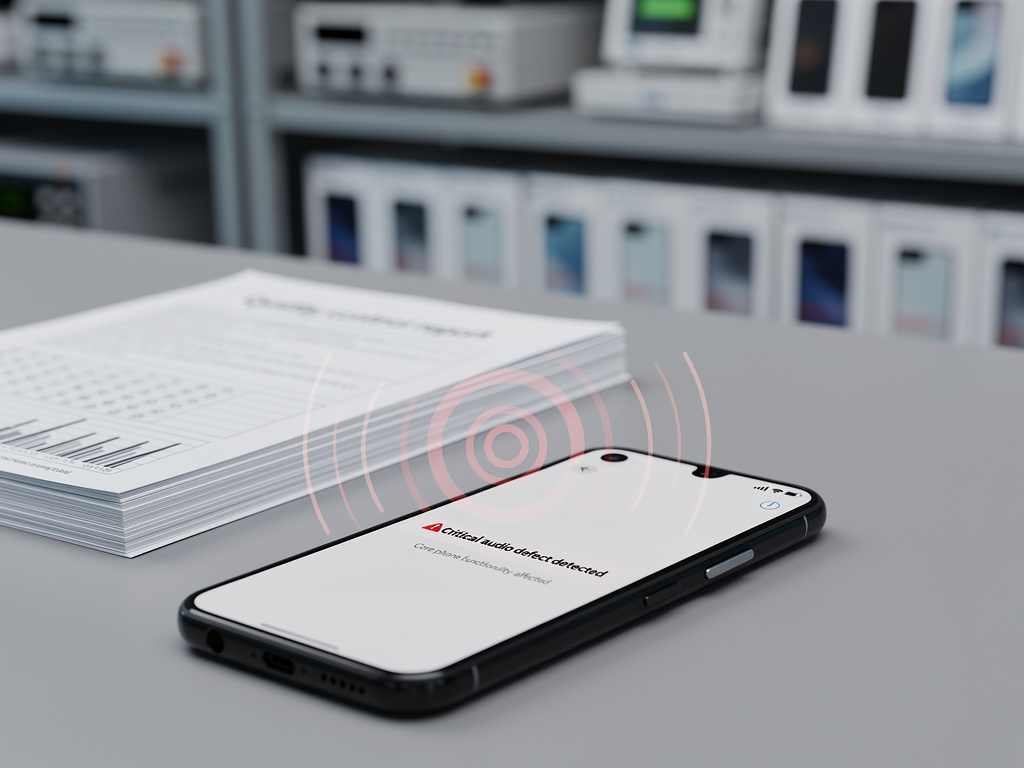
In a rare admission that highlights the fragility of modern smartphone manufacturing, Google has officially acknowledged a critical audio defect affecting its Pixel 4 and Pixel 5 devices, marking one of the most significant hardware failures in the company’s consumer electronics history. The confirmation comes after months of user complaints and mounting pressure from the Android community, revealing systemic issues that extend far beyond a simple manufacturing oversight.
According to Android Police, the problem manifests as audio leakage during phone calls, where users on the other end of conversations can hear their own voices echoing back or ambient sounds from the Pixel device’s surroundings. This phenomenon, technically known as acoustic feedback or sidetone leakage, represents a fundamental flaw in the devices’ audio processing architecture that undermines their core functionality as communication tools.
The acknowledgment by Google marks a pivotal moment for a company that has positioned its Pixel line as the premium standard-bearer for Android devices. Since launching the Pixel brand in 2016, Google has marketed these phones as showcasing the best of what Android can offer, with tight integration between hardware and software that theoretically should prevent exactly this type of issue. The audio defect revelation challenges that narrative and raises questions about the company’s quality assurance processes during a critical period when smartphone manufacturers face increasing scrutiny over device longevity and reliability.
The Technical Anatomy of a Hardware Failure
The audio leakage issue stems from a complex interplay between hardware components and software processing. Industry experts suggest the problem likely originates in the acoustic echo cancellation (AEC) system, a sophisticated technology designed to prevent exactly the type of feedback users are experiencing. When functioning properly, AEC systems use digital signal processing to identify and eliminate echoes by comparing the audio being played through the speaker with the sound picked up by the microphone, then subtracting the matching frequencies.
In the Pixel 4 and 5 devices, this system appears to have failed at a fundamental level. The defect suggests either inadequate physical isolation between the speaker and microphone components, insufficient processing power allocated to the AEC algorithms, or flawed software implementation that cannot properly distinguish between intended audio output and environmental sounds. Each of these potential causes points to different failures in Google’s development process, from initial design specifications through final quality testing.
What makes this particular defect especially problematic is its intermittent nature. Unlike a completely non-functional speaker or microphone, which would be immediately apparent during manufacturing testing, audio leakage often manifests only under specific conditions—particular volume levels, certain acoustic environments, or after extended use as components settle or degrade. This intermittency likely allowed affected devices to pass through quality control checkpoints, only revealing themselves during real-world usage by consumers.
Manufacturing Scale Meets Quality Control Reality
The Pixel 4 and 5 audio issues illuminate broader challenges facing smartphone manufacturers as they attempt to maintain quality standards while producing devices at massive scale. Modern smartphones contain hundreds of precisely engineered components that must work in perfect harmony, with tolerances measured in micrometers and microseconds. Even minor variations in component placement, adhesive application, or assembly pressure can create acoustic pathways that allow sound to leak between supposedly isolated chambers.
Google’s manufacturing partners, which handle the actual physical production of Pixel devices, operate under intense pressure to meet production quotas while maintaining cost targets. This economic reality creates inherent tensions between thorough quality testing and manufacturing efficiency. Each additional testing protocol adds time and expense to the production process, while potentially identifying defects that require costly rework or component replacement. The audio leakage issue suggests that somewhere in this calculus, critical acoustic testing was either insufficient or improperly calibrated to catch the defect before devices reached consumers.
The financial implications of such widespread hardware defects extend far beyond immediate repair or replacement costs. For Google, which has struggled to gain significant market share against dominant players like Samsung and Apple, hardware reliability issues directly impact brand perception and customer loyalty. Each affected device represents not just a warranty claim but potentially a lost customer who may choose a competitor for their next purchase, along with negative word-of-mouth that amplifies the damage far beyond the actual number of defective units.
Consumer Rights and Corporate Responsibility in the Digital Age
Google’s confirmation of the audio defect raises important questions about corporate responsibility when hardware failures affect products already in consumers’ hands. Unlike software bugs that can be patched through over-the-air updates, fundamental hardware defects require physical intervention—either component-level repairs or complete device replacement. The company now faces decisions about how far back to extend warranty coverage, whether to offer replacements for out-of-warranty devices, and how to handle customers who may have already paid for repairs before the official acknowledgment.
Consumer protection advocates argue that manufacturers should be held to higher standards for defects that affect core functionality. A smartphone that cannot reliably conduct private phone conversations fails at its most basic purpose, regardless of how well its camera performs or how smooth its software interface appears. This perspective suggests that Google should offer extended warranty coverage or free repairs for all affected devices, even those purchased years ago, as the defect existed from manufacturing rather than resulting from user damage or normal wear.
The legal framework surrounding such hardware defects varies significantly by jurisdiction, creating a patchwork of consumer protections that multinational corporations must navigate. In the European Union, consumer protection laws generally provide stronger remedies than in the United States, potentially requiring manufacturers to repair or replace defective products for several years after purchase. Google’s response to the Pixel audio issues will likely differ by region, reflecting these varying legal obligations and the company’s assessment of reputational risk in different markets.
Industry-Wide Implications for Premium Android Devices
The Pixel audio defect scandal arrives at a particularly sensitive moment for the Android ecosystem. As smartphone innovation has plateaued in recent years, with incremental camera improvements and faster processors providing diminishing returns for most users, reliability and build quality have become increasingly important differentiators. Apple has leveraged its reputation for quality control as a key selling point, justifying premium pricing even as Android devices have matched or exceeded iPhone specifications in many technical areas.
Google’s hardware problems threaten to reinforce negative perceptions about Android device quality, despite the issue being specific to Pixel phones rather than a systemic Android problem. This perception gap matters because Google’s Pixel line serves as the reference implementation for Android, showcasing what the operating system can achieve when hardware and software are developed in tandem. If Google cannot maintain quality standards for its own flagship devices, it raises questions about the entire Android premium device category.
Other Android manufacturers have watched Google’s struggles with a mixture of concern and opportunity. Samsung, which has largely overcome its own quality issues following the Galaxy Note 7 battery crisis, may benefit from Google’s stumbles as consumers seek reliable Android alternatives. Chinese manufacturers like Xiaomi and Oppo, which have made significant quality improvements while maintaining aggressive pricing, could use Google’s problems to argue that premium pricing does not guarantee premium quality.
The Path Forward: Lessons for Hardware Development
Moving beyond the immediate crisis, the Pixel audio defect offers valuable lessons for the entire consumer electronics industry. First, it demonstrates that sophisticated software cannot fully compensate for hardware design flaws. Google’s expertise in artificial intelligence and machine learning, which powers many Pixel features, proved insufficient to overcome fundamental acoustic engineering problems. This reality reinforces the importance of traditional engineering disciplines even as the industry becomes increasingly software-focused.
Second, the incident highlights the need for more rigorous real-world testing protocols that go beyond laboratory conditions. Audio leakage issues may not appear during standard quality control testing in quiet factory environments but become immediately apparent during actual phone calls in noisy settings. Manufacturers need testing regimens that better simulate the diverse conditions under which consumers actually use their devices, even if such testing adds complexity and cost to the development process.
Third, the episode underscores the importance of rapid response when hardware issues emerge. The delay between initial user reports and Google’s official acknowledgment allowed frustration to build within the user community and gave the story time to gain traction in tech media. A faster, more transparent response—even if it meant acknowledging uncertainty about the scope and solution—might have limited reputational damage and demonstrated greater respect for affected customers.
Market Dynamics and Competitive Pressures
The timing of Google’s audio defect acknowledgment coincides with intensifying competition in the premium smartphone market. Apple’s recent iPhone releases have focused heavily on reliability and longevity, with the company emphasizing multi-year software support and durable hardware construction. This positioning makes quality control failures by competitors particularly damaging, as they validate Apple’s premium pricing strategy and justify consumer loyalty to the iOS ecosystem.
Meanwhile, the smartphone market overall continues its long-term contraction, with consumers holding devices longer and showing less enthusiasm for annual upgrades. In this environment, hardware reliability becomes even more critical, as devices must maintain functionality over extended periods. A phone that develops audio problems after a year or two of use fails to meet consumer expectations for longevity, potentially accelerating upgrade cycles for the wrong reasons—replacing defective devices rather than seeking improved features.
For Google specifically, the Pixel line represents far more than a revenue stream from hardware sales. These devices serve as vehicles for Google’s services, data collection, and AI development. Each Pixel user generates valuable information about how people interact with mobile devices, informing everything from search algorithms to voice recognition systems. Hardware defects that drive users away from Pixel devices thus impact Google’s broader strategic objectives beyond the immediate financial hit from warranty claims and lost sales.


 WebProNews is an iEntry Publication