
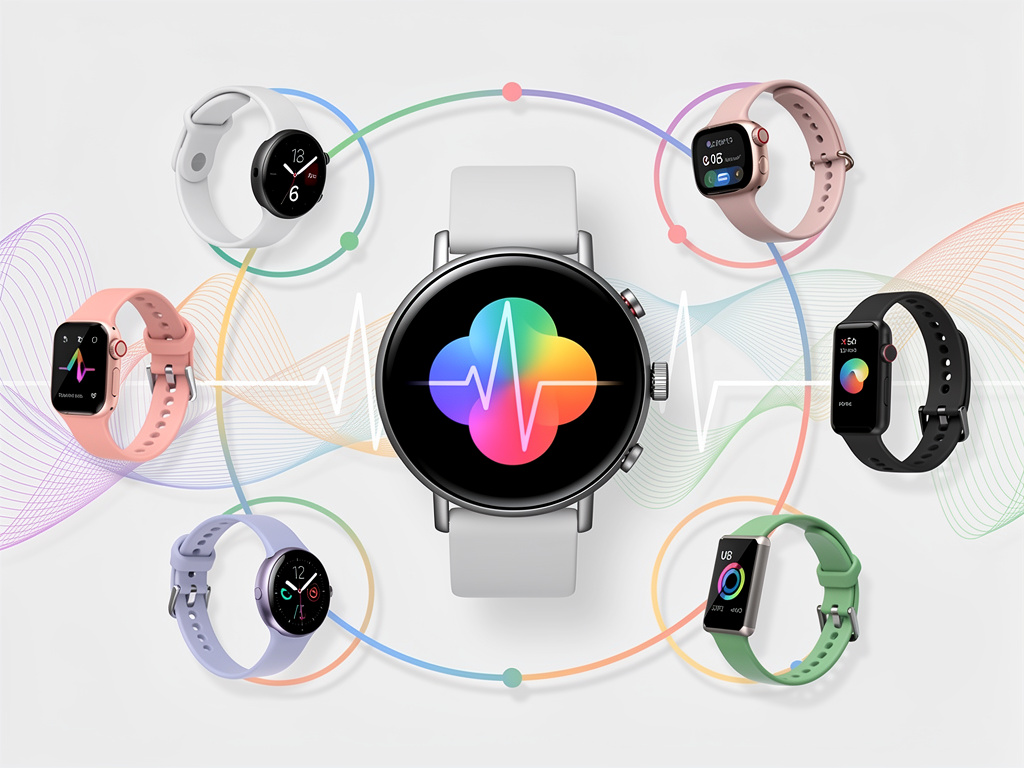
Google continues to reshape its wearable health tools. The Pixel Watch ECG application now carries a redesigned icon and a simpler label. No longer does “Fitbit” appear in the app drawer. The shift arrives alongside a broader rebrand to Google Health. And it fixes lingering problems that left some owners unable to open the tool.
Users spotted the update Thursday. A Reddit screenshot shared by joesanchez77 captured the new look on a Pixel Watch. The icon features a gradient style. It matches recent changes applied to Clock, Calendar and Flashlight tiles. Red tones make it pop against the blue-heavy health apps that surround it in the drawer. The app itself sits higher now, placed next to the Exercise entry for easier access.
But the visual tweak tells only part of the story. Google has spent years integrating Fitbit technology into its watches after the 2019 acquisition. That process accelerated with the launch of the first Pixel Watch. Sensors for heart rate, irregular rhythm notifications and full electrocardiogram readings became signature capabilities. The ECG function, cleared by regulators in multiple markets, lets wearers record a 30-second reading. Results can reveal signs of atrial fibrillation. Owners then share a PDF report with physicians.
The rebrand accelerates
This week’s change removes the last visible Fitbit reference from Pixel Watch software. The companion phone application completed its transition to Google Health on May 19, 2026. Tabs now organize data around Today, Fitness, Sleep and Health. The redesign aims to simplify navigation. Tracking goals for activity, rest and heart metrics feels more direct. Google described the update as an evolution built on familiar elements from the old Fitbit experience.
The ECG app followed suit. It previously appeared as Fitbit ECG in the Play Store and on the watch. Now it installs and launches simply as ECG or Google ECG depending on region. That adjustment aligns with the company’s decision to unify its health portfolio under one banner. Owners of Pixel Watch 1, 2, 3 or 4 models receive the same treatment, provided they run current software. Availability still depends on local approvals. More than 30 countries support the feature, from the United States and Canada through much of Europe to parts of Asia-Pacific.
Practical impact matters more than aesthetics for many. Earlier this spring, reports surfaced that the ECG app refused to open on certain devices. Pixel Watch 2, 3 and even 4 units showed the error. Some users saw repeated prompts to reopen the application. Support teams acknowledged the reports in May 2026. A spokesperson told Android Authority that engineers were aware and planned a resolution soon. That fix rolled out with the icon update. The application now launches reliably for affected owners. One Google Play review from August 2025 captured the frustration before a prior patch: “Worked great before. Now this month, maybe after a recent update?, it doesn’t work anymore.”
Google positioned these capabilities as sources of peace of mind. The 2025 announcement for Loss of Pulse Detection on Pixel Watch 3 highlighted the full safety stack. That feature, now available in the U.S. after FDA clearance, can automatically contact emergency services if it detects cardiac arrest and the wearer remains unresponsive. It joins car crash detection, fall alerts, irregular heart rhythm notifications and the ECG app itself. Google’s blog post from February 2025 framed the suite as tools that deliver potentially life-saving information.
Industry observers note the steady regulatory progress. FDA clearance for ECG arrived years ago for the original Pixel Watch in approved territories. Subsequent models expanded compatibility. Yet regional gaps remain. Users in the Middle East have complained that the feature stays locked even on newer hardware. Samsung’s competing Galaxy Watch offers similar ECG and blood pressure tools, though some require pairing with a Samsung phone. Google’s approach emphasizes broader Wear OS availability.
Recent reviews praise the accuracy improvements. The New York Times Wirecutter’s April 2026 guide to Android smartwatches highlighted the Pixel Watch 4’s refined sensors. Heart rate, sleep stages and ECG readings benefit from updated algorithms. Dual-frequency GPS adds precision to outdoor activity tracking. Skin temperature sensing detects deviations that might signal illness. These gains build on hardware that already carried strong Fitbit-derived metrics.
Still, not every reaction celebrates the icon. A poll attached to the Android Authority story showed divided opinions. Forty-two percent said they loved the new looks. Thirty-four percent were not fans. Nineteen percent claimed indifference. A small group offered qualified approval. Some called the redesign frivolous. Others appreciated how the distinct icon separates ECG from Google Health and Breath, both of which use heart motifs. The differentiation reduces confusion in a crowded app drawer.
9to5Google reported the combined changes on June 4, 2026. The publication noted that the update eliminates all Fitbit branding from the watch interface. Health data flows through the Google Health phone app. The ECG tile works again after the recent bug. Rollout appears widespread, with users confirming the new appearance on various Pixel Watch generations.
Developers continue to refine the underlying code. The Google ECG app on Play Store received an update dated May 26, 2026. Installation instructions direct owners to search directly on the watch. Once added, the tile prompts users to remain still for 30 seconds while electrodes in the case and crown capture electrical signals. Results classify as sinus rhythm, atrial fibrillation, inconclusive or poor recording. The system advises consulting a doctor for any concerning output.
Longer term, Google shows no sign of slowing health feature development. Loss of Pulse Detection received praise as a first-of-its-kind tool when it gained U.S. clearance. Integration with Gemini AI on newer watches promises contextual insights, though ECG analysis itself stays grounded in established medical algorithms. The company must balance innovation against strict regulatory demands. Each new market or capability requires fresh clearances.
Owners who rely on the watch for daily monitoring now see a cleaner interface. The red gradient icon stands out. The name feels simpler. Functionality returns for those hit by the spring bug. These small adjustments reflect a larger transition away from the Fitbit identity toward a unified Google health experience. The sensors remain the same. The data they produce still requires medical interpretation. Yet the presentation moves closer to the rest of Google’s product family.
That consistency matters for a company selling millions of Pixel devices. Wearables represent one piece of an expanding personal health picture. Phone-based metrics, assistant reminders and cloud analysis all connect. Removing legacy branding reduces cognitive load. A single Google Health app replaces the older Fitbit counterpart. Watch tiles follow the same visual language found on phones and tablets.
Critics might dismiss the icon as cosmetic. They overlook how design choices influence daily engagement. An app that feels native and easy to locate sees more frequent use. For a tool intended to catch irregular heart activity, visibility counts. The bug fix addresses a more immediate pain point. Weeks of failed launches frustrated early adopters. Resolution came quietly with the visual refresh.
Google has not issued an official statement on the icon specifically. The changes surfaced through user reports and app store listings. Support threads on Reddit and the company’s forums filled with confirmation. One post from early 2026 described hunting for the ECG entry only to discover it missing after a software update. Updating all Play Store apps restored it. The pattern repeats with this latest push.
Analysts expect further convergence. Future Pixel Watches may add vascular health assessments or expanded sleep apnea detection, areas where competitors already hold FDA nods. Each addition must clear the same rigorous process that brought ECG to market. The hardware foundation, stainless steel cases that double as electrodes on newer models, supports that expansion.
For now, the story stays focused on refinement. A name change. A brighter icon. A repaired launch process. Small steps that signal Google’s commitment to its wearable health lineup. Pixel Watch owners receive the benefits without buying new hardware. The sensors they already wear gain a fresher face. And the data they capture continues to inform real medical conversations.


 WebProNews is an iEntry Publication