
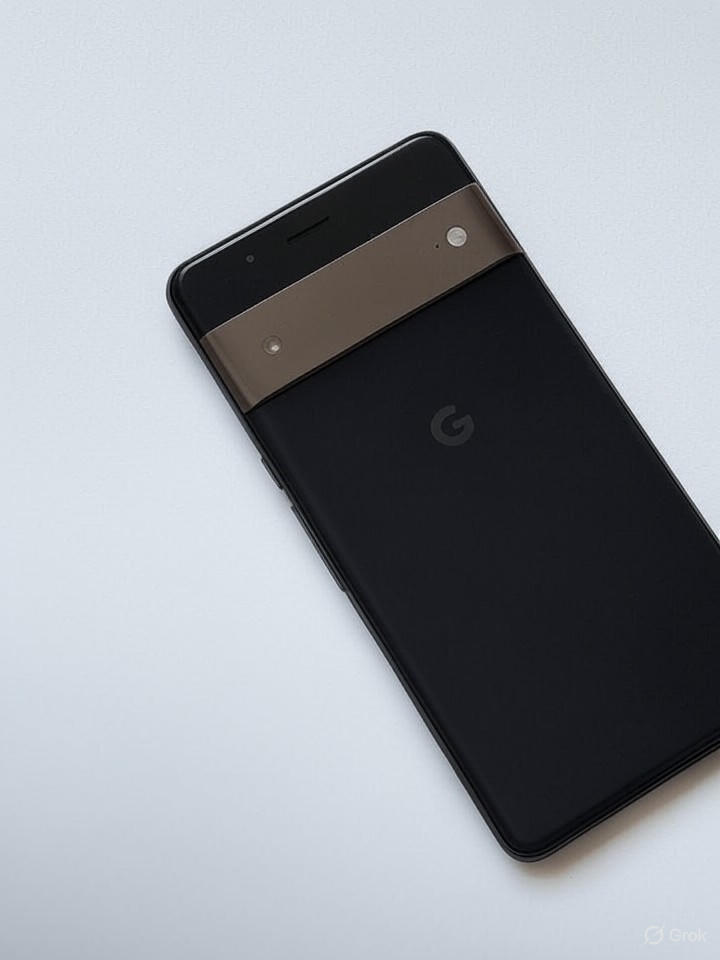
In the rapidly evolving world of smartphones, where artificial intelligence is becoming as essential as the camera or battery, Google’s Pixel lineup has positioned itself as a leader in AI-driven features. Yet, a growing chorus of complaints and expert analyses suggests that the company’s decision to stick with 128GB as the base storage for its latest Pixel 10 models is more than just a cost-saving measure—it’s a potential misstep that could alienate users and industry partners alike. Drawing from recent reports, this deep dive explores the controversies surrounding Pixel storage, from hardware limitations to software bugs, and what it means for Google’s dominance in the Android ecosystem.
According to a detailed analysis by Android Police, Google’s insistence on offering 128GB as the entry-level storage for the Pixel 10 is increasingly untenable in 2025. With AI features like on-device processing for photo editing and real-time language translation consuming significant space, users are finding themselves quickly running out of room. The article highlights how competitors like Apple have shifted to 256GB as the baseline for their iPhone 17, making Google’s offering seem outdated. “Big apps, 4K video, and on-device AI eat storage fast, and Pixel 10’s 128GB feels like rationing in 2025,” notes Android Police in their August 21, 2025, piece.
The AI Storage Crunch
This storage shortfall is exacerbated by Google’s push into AI. Features such as Magic Editor and Gemini Nano require substantial local storage for models and cached data. As reported by 9to5Google on September 18, 2025, “With the iPhone 17 starting at 256GB in the base model, Google might’ve made a huge mistake keeping the Pixel 10 at 128GB.” Industry insiders point out that while cloud storage via Google One offers a workaround, it doesn’t fully address the needs of users who rely on offline capabilities, especially in areas with poor connectivity.
Moreover, the base storage issue isn’t isolated to new models. Older Pixels have faced their own storage woes, often tied to software updates. A January 2024 bug, detailed by The Verge, left users unable to access internal storage after a Google Play system update. “Google is investigating reports of Pixel devices facing issues following the January 2024 Play system update, including being unable to play media or access internal storage,” the report stated. This incident affected multiple models, from Pixel 6 to newer ones, highlighting ongoing reliability concerns.
Historical Bugs and User Frustrations
Delving deeper into past incidents, posts on X (formerly Twitter) from users and tech analysts reveal a pattern of storage-related glitches. For instance, in 2024, Mishaal Rahman, a prominent Android expert, tweeted on January 23 about devices failing to mount internal storage post-update, with Google halting the rollout. “Google has halted the rollout of the January 2024 GPSU following reports of devices having file access issues,” he noted. Such issues have persisted, with similar complaints surfacing in 2025 regarding battery swelling and inconsistent support, as covered by Android Central on September 16, 2025.
Android Central reported that Pixel 7 and 7 Pro users experienced major battery swelling, leading to storage and performance problems. “So far, the majority of reports… the issue. Google’s response so far appears inconsistent,” the article explained, with some users receiving free repairs while others struggled for support. This inconsistency has fueled perceptions that Google prioritizes new hardware sales over maintaining older devices, a sentiment echoed in X posts where users vent about feeling “cheated” by inadequate storage and support.
Ecosystem Conflicts and Market Pressures
Beyond individual user experiences, Google’s storage strategy raises broader questions about its role in the Android ecosystem. A November 2025 article from WebProNews discusses how Google’s dual position as Android’s steward and a hardware competitor creates conflicts. “Google’s Pixel smartphones… have grown significantly but spark debate over its dual role,” the piece argues, pointing to exclusive features and delayed updates for non-Pixel devices that could stifle competition.
In terms of storage, this means Pixels often get optimized AI tools that demand more space, yet base models skimp on capacity. Android Police’s recent piece, published just 12 hours ago as of November 15, 2025, emphasizes, “Buying a 256GB Pixel 10 solves the storage problems, but it’ll set you back an extra $100. But I don’t want Google to ship its phones with…” This upselling tactic is seen by some as a way to boost margins, especially as AI integration drives up component costs.
Fixes, Workarounds, and Industry Responses
Google has not been entirely unresponsive. For the 2024 storage bug, the company issued fixes via ADB commands, as shared by Mishaal Rahman on X in February 2024: “If you have a Pixel phone and have been unable to access your files after updating… run [commands].” Similarly, 9to5Google reported on January 31, 2024, that “Google details fix for Pixel storage issue after January Play system update.” These technical solutions, while effective, require user expertise, leaving casual owners frustrated.
Competitors are capitalizing on this. Apple’s move to 256GB baselines, as noted in multiple sources, pressures Google. Meanwhile, Samsung and other Android makers offer expandable storage or higher bases, making Pixels less appealing for power users. An X post from Android Police on November 15, 2025, linked to their article, garnering thousands of views, underscores current sentiment: users feel shortchanged in an era where 4K videos and AI datasets balloon file sizes.
Future Implications for Pixel’s Strategy
Looking ahead, industry analysts speculate that Google may need to rethink its storage offerings for the Pixel 11 or beyond. With the Tensor chip’s evolution promising even more on-device AI, as hinted in Android Police’s review of the Pixel 8 from March 23, 2025, “Google is expected to deliver a custom Tensor CPU in the 2025 flagships.” However, without addressing storage, these advancements could falter.
Security angles also intersect with storage issues. A Forbes article from August 5, 2025, warned of a “critical security” threat to Pixels, urging updates that sometimes exacerbate storage bugs. “Remote attack threat stopped — update your phone now,” it advised. As Pixels integrate more deeply with Google’s services, ensuring ample, reliable storage becomes crucial to maintaining user trust and ecosystem health.
Voices from the Community and Expert Insights
User forums and social media amplify these concerns. A longstanding thread on Google Photos Community from 2018, still referenced in 2025 discussions, complains of “storage almost full” warnings despite ample space, pointing to software inefficiencies. Recent X posts, like one from Artem Russakovskii in 2022 showing erroneous storage calculations (“373GB used of 256GB”), highlight persistent calculation errors that mislead users.
Experts like those at Times of India, in a January 25, 2024, article, detailed how the storage bug affected models: “Google Pixel smartphones are facing storage issues due to a bug. Users cannot access internal storage after the latest update.” This global perspective shows the issue’s widespread impact, from casual users to professionals relying on Pixels for work.
Navigating the Path Forward
As Google navigates these challenges, partnerships and innovations could provide relief. Collaborations with storage tech firms or enhanced compression algorithms might mitigate issues without hardware changes. Yet, as WebProNews notes, “favoring Pixels with exclusive features, delayed updates for others, market pressures, security risks, and stifled…” could lead to regulatory scrutiny if perceived as anti-competitive.
Ultimately, for industry insiders, the Pixel storage saga underscores a pivotal tension: balancing innovation with practicality. With 2025 seeing AI’s full bloom, Google’s choices will define whether Pixels remain at the forefront or fall behind in the storage arms race.


 WebProNews is an iEntry Publication