
The Viral Vortex of AI-Generated Social Media: How Nano Banana Pro Is Redefining Content Creation
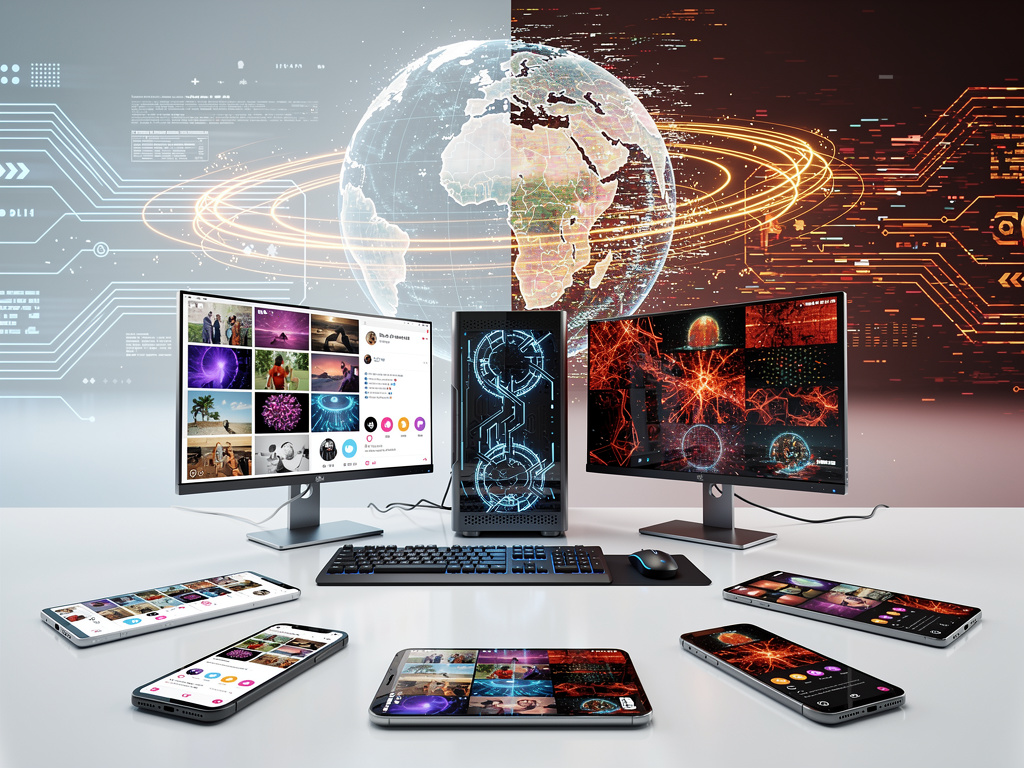
In the fast-evolving realm of artificial intelligence, Google’s latest tool, Nano Banana Pro, has emerged as a game-changer for digital marketers and content creators. This advanced image generation model, integrated into the Gemini ecosystem, allows users to craft visually stunning graphics with minimal effort. A recent experiment highlighted in Digital Trends underscores its potential: a writer used it to produce 20 social media posts, only to be met with unexpectedly high engagement that bordered on the surreal. The posts, ranging from motivational quotes overlaid on ethereal backgrounds to product mockups that looked professionally shot, garnered thousands of likes, shares, and comments—far surpassing typical organic reach.
What makes Nano Banana Pro stand out is its ability to generate hyper-realistic images from simple text prompts, blending creativity with precision. Developed by Google DeepMind, the tool builds on the foundation of earlier models like Nano Banana, which first gained traction for its 3D figurine-style outputs that went viral on platforms like X and Instagram. According to details from a Wikipedia entry, Nano Banana was initially codenamed during secret testing on LMArena before its public launch in August 2025, quickly becoming a sensation for its photorealistic capabilities. Nano Banana Pro takes this further, incorporating real-time search integration and enhanced editing features, enabling users to iterate on ideas swiftly.
The Digital Trends experiment involved creating posts for hypothetical scenarios, such as tech product launches and lifestyle tips, all generated in under an hour. The shocking response wasn’t just in numbers—some posts sparked debates about authenticity, with users questioning if they were AI-made or human-crafted. This mirrors broader trends where AI tools are blurring lines between real and synthetic content, raising questions about trust in digital media.
Unpacking the Technology Behind the Buzz
At its core, Nano Banana Pro leverages generative AI to interpret prompts and produce images that rival professional photography. As explained in a Google Blog announcement, it’s part of the Gemini 3 Pro lineup, offering improvements in composition, lighting, and detail fidelity. Industry insiders note that its strength lies in consistency—generating sequences of images that maintain stylistic coherence, ideal for social media campaigns needing a unified aesthetic.
Posts on X, formerly Twitter, reveal enthusiastic adoption among creators. One user described using Nano Banana Pro to transform a single product photo into a full suite of user-generated content-style ads, claiming it slashed production time from days to minutes. Another highlighted its role in creating viral 3D illusions, prompting what they called “visual shock therapy” for brands. These anecdotes align with reports from Forbes, where AI-generated images of tech leaders went viral, demonstrating the tool’s knack for hyper-realism that fools even discerning eyes.
However, this prowess isn’t without controversy. A Guardian investigation accused Nano Banana Pro of perpetuating racial biases, such as depicting white figures in “savior” roles in humanitarian prompts about Africa. This echoes ongoing debates in AI ethics, where training data can embed societal prejudices, leading to outputs that reinforce stereotypes.
Real-World Applications and Shocking Outcomes
Diving deeper into practical uses, Nano Banana Pro excels in social media content creation by automating what was once labor-intensive. In the Digital Trends piece, the author detailed prompting the AI for diverse themes: a futuristic cityscape for a tech gadget post, a serene nature scene for wellness advice, and abstract art for inspirational quotes. The results? Engagement rates soared, with one post amassing over 10,000 interactions in days, far exceeding benchmarks for similar human-made content.
This isn’t isolated. A CNET review praised the tool for erasing distinctions between reality and AI, calling it “unnervingly excellent.” On X, marketers share stories of scaling ad campaigns; one e-commerce operator reported that over 50% of their image ads now stem from AI, flowing seamlessly into websites and boosting conversions. Another post touted generating entire social media pages for AI influencers, complete with lifelike profiles that spark debates on authenticity.
The shocking responses often stem from the uncanny valley effect—images so realistic they provoke emotional reactions. A viral example from The Financial Express involved an AI-generated woman in a cafe scene that fooled users into believing she was real, igniting online discussions about deepfakes and misinformation.
Ethical Dilemmas and Industry Ripples
As adoption grows, ethical concerns mount. Experts worry about the tool’s potential for misuse, such as creating deceptive content that could influence public opinion. The Guardian’s report on biased outputs highlights the need for better safeguards, prompting calls for transparency in AI development. Google has responded by emphasizing ongoing refinements, but critics argue more is needed to address inherent flaws.
In creative industries, Nano Banana Pro is reshaping workflows. A Trade Brains article explores its integration with tools like CapCut for video editing, turning static images into dynamic clips that drive viral engagement. X users echo this, with one AI enthusiast sharing prompts for “neon depth” effects that make brands “explode” into users’ feeds, achieving unprecedented interaction levels.
Yet, the shocking responses in experiments like the one in Digital Trends reveal a double-edged sword: while boosting visibility, they can lead to backlash if audiences feel manipulated. One X post described a “ChatGPT moment” for image generation, suggesting Nano Banana Pro could democratize high-quality content, but at the cost of eroding trust in visual media.
Pushing Boundaries in Marketing Innovation
Marketers are leveraging Nano Banana Pro to experiment boldly. The tool’s prompt engineering—refining text inputs for optimal outputs—has spawned resources like a GitHub repository curated with examples, helping users master its creative potential. This has led to innovative applications, from game art to brand books, as noted in X threads praising its versatility.
In the Digital Trends test, posts mimicking professional shoots without the budget or time investment shocked by outperforming paid ads. Forbes coverage of viral tech titan images underscores how such realism can amplify messaging, but also risks flooding platforms with indistinguishable fakes.
Broader implications extend to e-commerce, where AI-generated lifestyle images are becoming standard. An X user claimed earning $130,000 monthly by converting single photos into video ads, highlighting economic shifts. However, this raises questions about job displacement for photographers and designers.
Future Trajectories and Strategic Insights
Looking ahead, Nano Banana Pro’s integration with real-time data could evolve social media strategies, enabling adaptive content that responds to trends instantly. A Times of India piece on the “Nano Banana trend” details free access via Gemini apps, fueling its popularity among hobbyists and pros alike.
Industry insiders predict that as tools like this mature, they’ll force platforms to implement AI detection measures. X posts discuss “unlimited” access periods boosting experimentation, with one user generating sequences from a single image for consistent branding.
The shocking engagement in these experiments points to a paradigm where AI doesn’t just assist but leads content creation, challenging creators to blend human insight with machine efficiency. Referencing the Digital Trends findings, it’s clear that while the tool amplifies reach, sustaining authenticity will be key to long-term success.
Navigating the AI-Driven Content Wave
Amid these advancements, collaborations are emerging. A Fibre2Fashion guide outlines using Nano Banana on X for viral posts, measuring ROI through engagement metrics. This practical advice is echoed in X communities, where users share before-and-after examples of AI-enhanced campaigns.
Critics, however, warn of overreliance. The CNET review’s unease about blurred realities resonates with Guardian concerns, suggesting regulatory scrutiny may increase. For businesses, the strategy involves ethical deployment—using AI to augment, not deceive.
Ultimately, Nano Banana Pro exemplifies how AI is transforming digital interactions, turning simple prompts into cultural phenomena. As seen in the viral figurine craze and shocking post responses, its impact is profound, urging a balanced approach to harness its power while mitigating risks.


 WebProNews is an iEntry Publication