
Unlocking the Dial: Google’s Bid to Personalize Android Calls Like Never Before
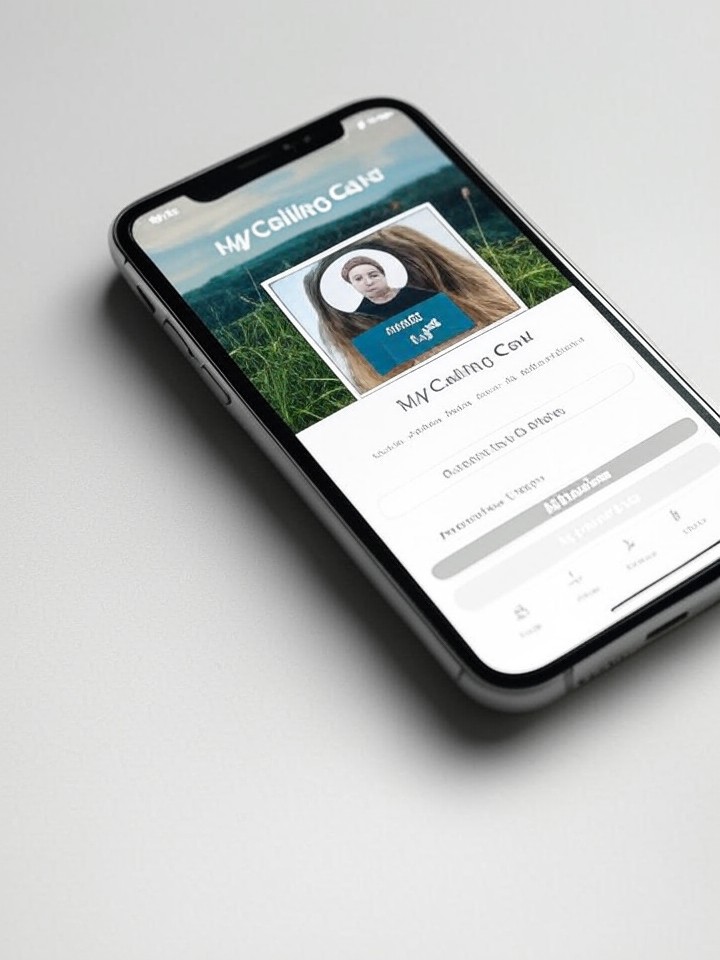
In the ever-evolving world of mobile technology, where user interfaces increasingly blend functionality with personal expression, Google is poised to introduce a feature that could transform how Android users present themselves during phone calls. Leaked details reveal the “My Calling Card” option in the Google Phone app, a development that promises to bridge a longstanding gap between Android and its iOS counterpart. This innovation, spotted in recent app teardowns, allows users to customize their own caller ID appearance, complete with photos, fonts, and visibility controls, marking a significant step toward greater personalization in voice communications.
The feature’s origins trace back to Android’s existing Calling Cards system, which debuted last year and enabled users to customize how incoming calls from contacts appear on their screens. However, this setup created an imbalance: while you could style others’ profiles, your own outgoing calls remained generic. Now, as detailed in a recent report from Android Police, Google appears ready to rectify this by letting users design their personal calling card, effectively mirroring Apple’s Contact Poster functionality introduced in iOS 17.
This move comes at a time when smartphone makers are intensifying efforts to make basic functions like calling more engaging and user-centric. For Android enthusiasts, particularly those on devices like Samsung’s Galaxy lineup, the addition could enhance the overall ecosystem, integrating seamlessly with Google’s suite of apps. Leaks suggest the setup process involves selecting a photo, tweaking fonts and colors, and deciding who sees this customized view—options include all callers or just saved contacts.
From Asymmetry to Symmetry in Call Personalization
Delving deeper into the mechanics, the My Calling Card feature builds on the foundation laid by the original Calling Cards rollout in 2025. As Android Headlines notes, the initial version allowed for rich customizations on the receiving end, such as large photos and stylized text for incoming calls, but left outgoing presentations untouched. This asymmetry has been a point of frustration for users seeking parity with iOS, where Contact Posters let individuals control how they appear to others.
The leaked interface, as described in various tech analyses, includes a dedicated section in the Phone app’s settings for “My Calling Card.” Users can upload a personal image, perhaps a selfie or avatar, and apply aesthetic tweaks like font styles and background hues. Privacy controls are a key highlight, enabling selective sharing— for instance, restricting the card to known contacts to avoid unwanted exposure during calls to strangers or businesses.
Industry observers point out that this isn’t just about aesthetics; it’s a strategic play by Google to deepen user engagement within its ecosystem. By making calls more visually appealing and personal, Google could encourage more voice interactions in an era dominated by messaging apps. Recent posts on X, formerly Twitter, reflect excitement among tech enthusiasts, with users speculating on how this could integrate with other Google services like Contacts or even Google Photos for seamless image syncing.
Bridging the Gap with iOS and Beyond
Comparisons to Apple’s ecosystem are inevitable. Apple’s Contact Posters, launched in 2023, allow iPhone users to create personalized visuals that appear on recipients’ screens during calls, fostering a sense of individuality. Android’s delay in matching this has been attributed to Google’s focus on broader platform features, but the tide is turning. A piece from Android Authority explains the setup process in detail, noting how My Calling Card will let Android users achieve similar effects, potentially with more flexibility due to Android’s open nature.
For Samsung users, this could be particularly transformative. Reports from SamMobile indicate that Galaxy phones, which often use the Google Phone app as default, stand to gain an iPhone-like enhancement. This aligns with Samsung’s ongoing efforts to blend Google’s innovations with its One UI skin, creating a more cohesive experience. Imagine dialing a colleague and having your professional headshot pop up with a custom tagline—it’s a subtle way to reinforce personal branding in everyday communications.
Moreover, the feature’s potential rollout coincides with broader trends in mobile personalization. As smartphones become extensions of our identities, features like this tap into the desire for self-expression. Leaks suggest integration with Android’s Material You design language, where dynamic theming could automatically adjust calling card colors based on the user’s wallpaper, adding another layer of seamlessness.
Technical Underpinnings and Development Insights
Behind the scenes, the development of My Calling Card involves app updates that tech sleuths have uncovered through APK teardowns. These dissections reveal strings of code hinting at user interface elements like photo pickers and privacy toggles. According to insights shared on X by developers and leakers, the feature has been in testing phases, with beta versions of the Phone app showing early implementations as far back as late 2025.
Google’s approach here reflects its iterative style, often rolling out features incrementally to gather feedback. The company has a history of enhancing its Phone app with tools like spam detection and call screening, and My Calling Card fits neatly into this progression. A report from The News International highlights how this update addresses a “significant shortcoming” in Android’s calling services, potentially leveling the playing field against iOS in user satisfaction metrics.
Privacy considerations are paramount in these developments. With options to limit visibility, Google is addressing concerns about data sharing in an age of heightened digital security awareness. Users might worry about how these cards are stored or transmitted—likely via Google’s cloud services—but the leaks emphasize user control, which could mitigate backlash.
Implications for Users and the Market
For everyday Android users, My Calling Card represents more than a cosmetic upgrade; it’s a tool for better social connectivity. In professional settings, customized cards could convey context quickly—think a consultant’s card showing their firm logo during client calls. Socially, it adds fun, allowing friends to see themed images that reflect inside jokes or moods.
Market-wise, this could bolster Android’s appeal, especially in competitive segments like premium smartphones. Samsung, as noted in a Sammy Fans article, is expected to promote this heavily in its Galaxy lineup, possibly integrating it with features like Bixby or Samsung’s own dialer customizations. This might spur other manufacturers, such as Nothing or OnePlus, to adopt similar enhancements, fostering a more uniform Android experience.
Looking ahead, the feature’s success could pave the way for expansions, like video call integrations or AR elements in future iterations. Posts on X from tech influencers suggest community-driven ideas, such as emoji integrations or animated cards, which Google might consider in updates.
Strategic Timing and Ecosystem Integration
The timing of this leak, surfacing in early 2026, aligns with Google’s typical release cycles, potentially tying into Android 16 or a Pixel hardware launch. By empowering users to control their digital presence, Google is subtly shifting calls from utilitarian to expressive acts. This echoes broader shifts in communication tech, where platforms like WhatsApp and Signal already offer profile customizations.
Integration with other Google services could be a game-changer. Imagine linking My Calling Card to Google Workspace for business users, allowing branded cards in enterprise environments. Or syncing with Google Photos’ AI tools for automatic photo suggestions, enhancing ease of use.
However, challenges remain. Not all carriers or devices may support the feature immediately, leading to fragmented adoption. Older Android versions might lag, requiring users to update to the latest Phone app via the Play Store.
User Feedback and Future Prospects
Early reactions, gleaned from X discussions, show a mix of enthusiasm and cautious optimism. Tech bloggers praise the parity with iOS, while some users express desires for more advanced customizations, like video clips or location-based themes. This feedback loop is crucial for Google, which often refines features based on community input.
In the broader context of mobile innovation, My Calling Card underscores Google’s commitment to user-centric design. As Android continues to dominate global market share, such features help retain loyalty amid competition from Apple and emerging players.
Ultimately, this development signals a maturing phase for Android’s communication tools, where personalization meets practicality. As rollout details emerge, industry watchers will be keen to see how it reshapes daily interactions, potentially setting new standards for what a simple phone call can convey.
Evolving Standards in Mobile Communication
Expanding on potential applications, consider how My Calling Card might influence accessibility. For visually impaired users, customizable fonts could improve readability during calls, while high-contrast options enhance usability. Google’s track record with inclusive design suggests these aspects will be prioritized.
On the competitive front, this could pressure Apple to innovate further, perhaps by adding more dynamic elements to Contact Posters. Cross-platform compatibility remains a question—will Android cards display properly on iOS devices? Leaks don’t specify, but seamless integration would be ideal.
Finally, as we await official confirmation, the buzz around My Calling Card highlights a key truth in tech: small enhancements can profoundly impact user experience. By giving Android users control over their calling persona, Google is not just catching up—it’s redefining the art of the call.


 WebProNews is an iEntry Publication