
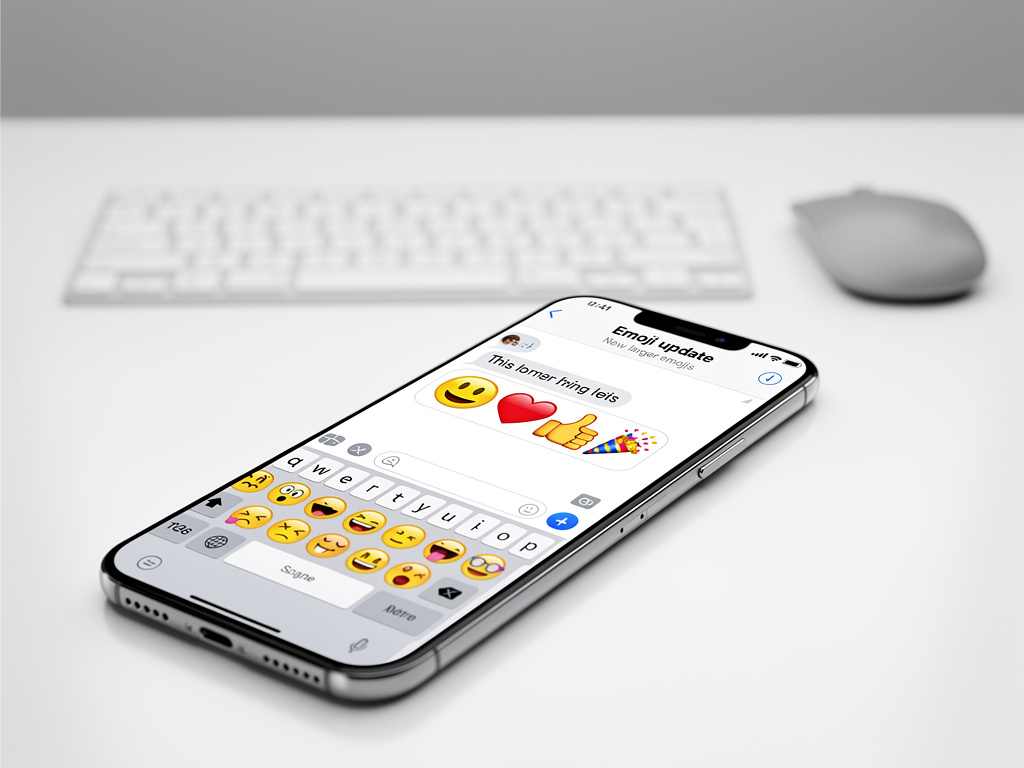
Google’s latest update to its Gboard keyboard application has introduced a significant change that mobile communication experts believe could reshape how billions of users interact with digital expression tools. The search giant has implemented larger emoji sizes within its flagship keyboard app, a modification that appears deceptively simple but carries substantial implications for user experience design, accessibility standards, and the broader evolution of mobile communication interfaces.
According to Android Authority, the update increases the default size of emoji characters displayed within the Gboard interface, making them more prominent and easier to select for users across various device sizes and screen resolutions. The change, which has been rolling out gradually to users through Google Play Services updates, represents one of the most visible alterations to Gboard’s interface in recent years, affecting an application that processes billions of keystrokes daily across Android devices worldwide.
The timing of this modification coincides with growing industry recognition that emoji have transcended their original status as decorative additions to text messages, instead becoming a fundamental component of digital communication. Research from Unicode Consortium data indicates that emoji usage has increased by more than 300% over the past five years, with certain demographics—particularly users under 30—incorporating emoji into more than 70% of their digital messages. This shift has prompted major technology companies to reconsider how these visual communication tools are presented within their interfaces.
Technical Implementation and User Experience Considerations
The engineering decisions behind Gboard’s emoji size increase reflect careful consideration of multiple competing factors in mobile interface design. Industry sources familiar with Google’s design philosophy suggest that the company conducted extensive user testing across diverse demographic groups before implementing the change. The larger emoji size addresses several usability challenges that have plagued mobile keyboards, particularly for users with visual impairments or those using devices with smaller screen dimensions.
Mobile interface designers have long grappled with the tension between information density and usability on smartphone screens. The previous emoji size in Gboard represented a compromise that maximized the number of emoji visible in a single view while maintaining adequate touch targets for selection. However, this approach increasingly clashed with accessibility guidelines and user feedback indicating difficulty in distinguishing between similar emoji characters, particularly those with subtle variations in expression or detail.
Competitive Dynamics in Mobile Keyboard Applications
Google’s decision to enlarge emoji within Gboard arrives amid intensifying competition in the mobile keyboard application market. While Gboard maintains dominant market share on Android devices, alternative keyboard applications from Microsoft (SwiftKey), Samsung, and various third-party developers have been experimenting with different approaches to emoji presentation and selection. Some competitors have implemented predictive emoji suggestions, animated emoji reactions, and customizable emoji sizes, forcing Google to evolve its offering to maintain its competitive position.
The mobile keyboard market, though often overlooked in discussions of major technology sectors, represents a critical control point in the mobile ecosystem. Keyboard applications collect vast amounts of data about user behavior, language patterns, and communication preferences, making them valuable strategic assets for companies building artificial intelligence and machine learning systems. Any modification to these applications, particularly changes affecting user interaction patterns, carries implications extending far beyond the immediate user experience.
Accessibility and Inclusive Design Implications
The larger emoji size in Gboard aligns with broader industry movements toward more inclusive digital design. Accessibility advocates have long criticized mobile interfaces for inadequately serving users with visual impairments, motor control challenges, or cognitive differences. By increasing emoji size, Google addresses several accessibility concerns simultaneously: improved visibility for users with low vision, larger touch targets for users with limited fine motor control, and enhanced differentiation between similar emoji for users with certain cognitive processing differences.
This design evolution reflects growing corporate awareness of legal and ethical obligations surrounding digital accessibility. Various jurisdictions worldwide have implemented or are considering regulations requiring digital products to meet specific accessibility standards. The European Union’s European Accessibility Act and similar legislation in other regions have created compliance pressures that influence product design decisions at major technology companies. While Google has not explicitly linked the Gboard emoji size change to regulatory compliance, the modification advances the company’s stated accessibility commitments.
Cultural and Generational Communication Patterns
The prominence given to emoji within Gboard’s interface acknowledges their central role in contemporary digital communication, particularly among younger users who have developed sophisticated visual communication vocabularies using these characters. Linguistic researchers studying digital communication patterns have documented how emoji function not merely as emotional indicators but as semantic units carrying specific meanings that vary across cultural contexts and user communities.
This cultural significance of emoji has prompted technology companies to invest substantial resources in emoji development, standardization, and presentation. The Unicode Consortium, which governs emoji standards, receives hundreds of proposals annually for new emoji characters, with major technology companies employing dedicated teams to design and implement these additions. The visual presentation of emoji—including their size, style, and animation—has become a differentiating factor among competing platforms, with users sometimes selecting devices or applications based partly on their preferred emoji aesthetics.
Performance and Technical Architecture Challenges
Implementing larger emoji within Gboard required Google’s engineers to address several technical challenges related to rendering performance, memory utilization, and interface responsiveness. Mobile keyboards operate under strict performance constraints, as any lag or delay in keystroke response dramatically degrades user experience. Larger emoji require more graphical resources to render, potentially impacting the application’s performance on older devices or those with limited processing capabilities.
Google’s solution appears to involve dynamic resource loading and intelligent caching strategies that prioritize frequently used emoji while managing memory consumption. The company’s extensive experience optimizing applications for the fragmented Android ecosystem—where devices range from budget smartphones with limited specifications to premium flagship devices—informed the technical implementation. This optimization work, though invisible to end users, represents significant engineering investment in maintaining consistent performance across diverse hardware configurations.
Future Trajectories for Digital Communication Interfaces
The Gboard emoji size increase may represent an early indication of more substantial changes coming to mobile communication interfaces. Industry analysts observing Google’s product development patterns suggest that the company is exploring more radical reimaginings of mobile text input, potentially incorporating advanced artificial intelligence, contextual awareness, and multimodal communication tools. Larger emoji could facilitate future features such as emoji reactions, animated responses, or augmented reality integration within messaging contexts.
These potential developments occur against a backdrop of evolving user expectations for digital communication tools. Younger users, in particular, increasingly favor visual and multimedia communication over traditional text, driving demand for interfaces that prioritize images, emoji, video, and other rich media. This generational shift challenges technology companies to balance the needs of users who prefer traditional text input with those seeking more expressive, visually oriented communication options.
Privacy and Data Collection Dimensions
Any modification to keyboard applications inevitably raises questions about data collection and privacy practices. Keyboard apps, by their nature, observe every character users type, creating significant privacy implications if that data is collected, stored, or analyzed. Google has stated that Gboard provides options for users to control data sharing, including modes that prevent the company from collecting keystroke data. However, privacy advocates continue to scrutinize keyboard applications, particularly those from major technology companies with advertising-based business models.
The emoji size change itself does not directly implicate new privacy concerns, but it reflects Google’s ongoing efforts to enhance Gboard’s functionality in ways that encourage continued usage and deepen user engagement with the application. More engaged users potentially generate more valuable behavioral data, even if individual keystrokes are not collected. This dynamic illustrates the complex relationship between user experience improvements and the business models that fund their development, a tension that pervades contemporary technology products.
The seemingly modest adjustment to emoji size within Gboard ultimately reflects multiple intersecting trends in mobile technology: the maturation of emoji as communication tools, growing emphasis on accessibility and inclusive design, intensifying competition among mobile keyboard applications, and evolving user expectations for digital communication interfaces. As billions of users encounter these larger emoji in their daily digital interactions, the change will likely fade into the background of accepted interface conventions—yet it represents a deliberate strategic decision by one of the world’s most influential technology companies about how digital communication should function. Whether other keyboard developers follow Google’s lead, and how users respond to the modification over time, will provide valuable insights into the future evolution of mobile communication tools that have become indispensable to modern life.


 WebProNews is an iEntry Publication