
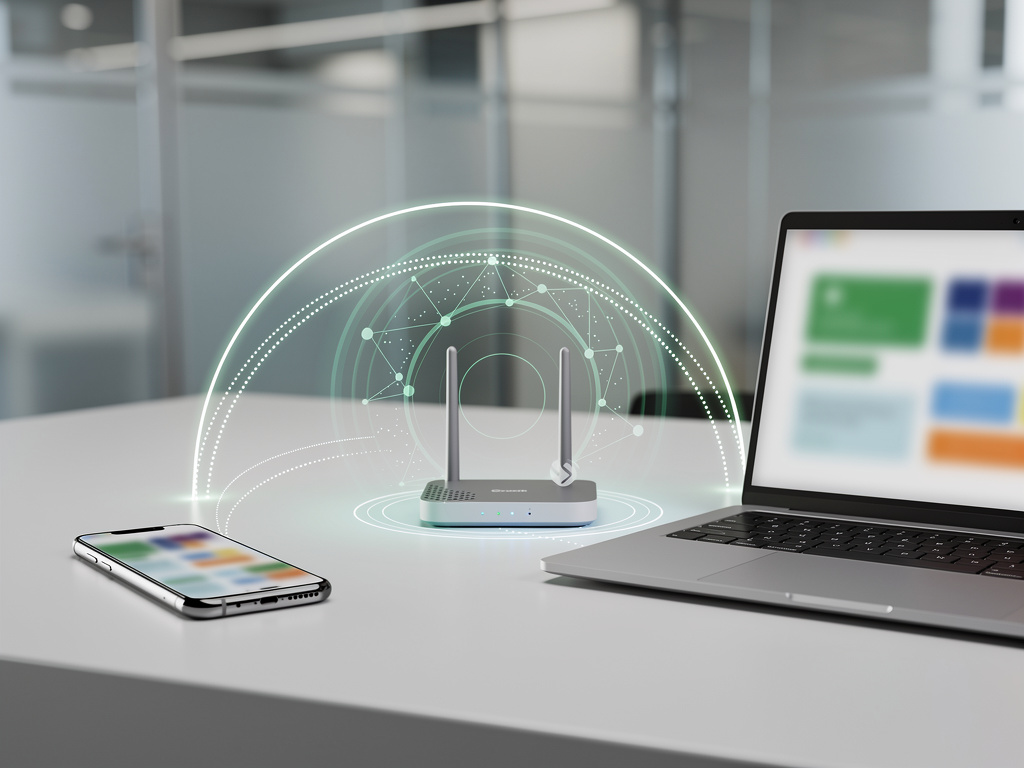
Revolutionizing Android Debugging: The End of Wireless Woes
For years, developers and tech enthusiasts have grappled with the frustrations of wireless Android Debug Bridge (ADB), a tool essential for app testing, device management, and advanced customization on Android devices. The promise of cable-free debugging has long been tantalizing, but persistent connection drops have turned it into a source of endless irritation. Now, Google appears poised to address this longstanding pain point with a new auto-reconnect feature, potentially transforming how professionals interact with Android ecosystems.
The core issue stems from the way wireless ADB operates. Introduced in Android 11, wireless debugging allows users to connect devices over Wi-Fi without physical cables, a boon for remote work and multi-device setups. However, connections often sever unexpectedly—due to network fluctuations, device sleep modes, or even brief disconnections from Wi-Fi—requiring manual reconfiguration each time. This disrupts workflows, especially for developers running extended debugging sessions or automating tasks.
Recent developments suggest relief is on the horizon. According to insights from Android Authority, Google is integrating an auto-reconnect mechanism into upcoming Android releases. This feature leverages multicast DNS (mDNS) to enable automatic rediscovery and reconnection of devices on trusted networks, eliminating the need for repeated setup.
Evolution of ADB and the Shift to Wireless
The Android Debug Bridge has been a cornerstone of Android development since its inception, as detailed in the official documentation from Android Developers. Initially reliant on USB connections, ADB facilitates commands for installing apps, transferring files, and debugging code directly on devices. Its versatility made it indispensable for everything from casual tinkering to enterprise-level app deployment.
The transition to wireless ADB marked a significant advancement. Posts on platforms like X (formerly Twitter) from as early as 2019, including announcements from tech outlets, highlighted anticipation for native wireless support in Android 11. For instance, users celebrated the Developer Preview 2 release in 2020, which introduced wireless debugging, allowing connections via IP addresses and ports without cables.
Yet, the implementation wasn’t flawless. As noted in community discussions on Stack Overflow, early adopters faced challenges with automatic reconnection after server restarts or network changes. Scripts and workarounds proliferated, but they were bandaids on a deeper problem: the lack of built-in persistence in wireless sessions.
Technical Hurdles and Community Workarounds
Diving deeper into the mechanics, wireless ADB on Android 11 and later requires enabling the feature in developer options, pairing via a code or QR scan, and connecting over a specific port. However, as explained in a tutorial from Android Police, the port can change dynamically, complicating automation. This variability, combined with automatic shutdowns after inactivity, has forced users to resort to third-party tools or custom scripts.
On forums like Reddit’s r/tasker, enthusiasts have shared automations to reconnect ADB wirelessly, often integrating with apps like Tasker for scripted reconnections. A post from 2021 detailed methods to auto-start wireless ADB on Android 11, using Wi-Fi events to trigger connections. Similarly, a blog by developer Max Ammann on his personal site outlined polling techniques to handle changing ports, emphasizing the need for fixed-port solutions.
These community-driven fixes underscore a broader demand for reliability. News from FindArticles recently reported Google’s efforts to tackle random drop-offs, aligning with user feedback that has accumulated over years. The frustration is palpable in X posts, where developers vent about lost productivity, with one recent thread noting how disconnections halt debugging mid-session, costing hours in reconfiguration.
Google’s Auto-Reconnect Solution Unveiled
The breakthrough comes in the form of an mDNS-based auto-reconnect feature, spotted in Android’s Canary channel builds. As per Android Authority’s coverage, this system allows devices to broadcast their availability on local networks, enabling automatic pairing when reconnecting to trusted Wi-Fi. Once enabled, wireless ADB reactivates seamlessly upon network rejoin, without user intervention.
This isn’t just a minor tweak; it’s a fundamental overhaul. Drawing from X posts by influencers like Mishaal Rahman, who shared details on December 12, 2025, the feature has been tested successfully on devices like the Pixel 9, maintaining connections even after prolonged idle periods. The integration with Google’s ecosystem means it could tie into account-based trust, similar to how Android handles hotspot connections without passwords for linked devices.
Comparisons to other tools reveal its potential impact. For example, Android Studio’s Bumblebee update in 2022 introduced Wi-Fi pairing, as promoted in official Android Studio X posts, but it still required manual steps for reconnections. The new auto-reconnect goes further, promising a “set it and forget it” experience that could rival wired stability.
Implications for Developers and Beyond
For industry professionals, this update could streamline workflows significantly. Imagine a developer testing apps across multiple devices in a lab setting; auto-reconnect minimizes downtime, enhancing efficiency in agile development environments. It’s particularly relevant for remote teams, where physical access to devices is limited, as highlighted in recent news from Tutorialpedia, which discusses fixed-port strategies for Windows users.
Beyond debugging, the feature opens doors to advanced automation. Integration with tools like Tasker or even IoT setups could allow persistent device control over networks, useful in smart home development or enterprise IT management. X discussions from tech accounts like Android Authority on December 12, 2025, echo this excitement, with users speculating on broader applications, such as automated backups or remote diagnostics.
However, challenges remain. Security concerns arise with automatic reconnections—ensuring only trusted networks are used is crucial to prevent unauthorized access. Google’s implementation reportedly includes safeguards, like limiting auto-reconnect to saved Wi-Fi profiles, but experts advise vigilance, especially in public or shared networks.
Broader Ecosystem Integration and Future Prospects
Looking at the wider Android environment, this feature aligns with Google’s push for seamless connectivity. Recent updates, such as those fixing Android Auto issues reported by Autoevolution two weeks ago, show a pattern of addressing user pain points. Similarly, a Lifehacker article from four days ago on Android hacks includes wireless ADB tips, underscoring its growing relevance.
On X, Arabic tech news account smartechdaily posted on December 13, 2025, about the feature’s activation in Canary builds, confirming successful tests and its reliance on mDNS for discovery. This global interest highlights how the update could influence international development communities, where network reliability varies.
As Android evolves, auto-reconnect could pave the way for more ambitious features. Speculation on platforms like GitHub, including a gist of useful ADB commands updated a week ago on GitHub, suggests integrations with AI-driven debugging or cloud-based testing. Android Police’s piece from three weeks ago on Android Auto’s evolution draws parallels, noting how interface improvements mirror this focus on user-centric refinements.
Industry Reactions and Adoption Strategies
Feedback from the developer community has been overwhelmingly positive. X posts from users like GQGeorge on December 14, 2025, delve into optimization guides for mDNS polling, indicating proactive adoption. Even casual users, as seen in a December 8, 2025, post by “That Josh Guy,” discuss related recovery features, showing trickle-down benefits beyond pros.
For enterprises, adopting this requires updating to compatible Android versions, likely Android 16 or later, based on current Canary signals. Training teams on secure usage will be key, as will monitoring for any post-release bugs. References to older X posts, such as Android Authority’s 2017 note on auto-enabling Wi-Fi near saved networks, remind us that Google has long experimented with network intelligence.
In practical terms, users can prepare by familiarizing with current wireless ADB setups. A 2015 Stack Overflow thread, still relevant, offers scripts for auto-connection, which could bridge the gap until the official rollout. Meanwhile, Max Ammann’s 2022 post provides insights into port management, useful for troubleshooting.
The Path Forward in Android Innovation
As this feature rolls out, it exemplifies Google’s commitment to refining core tools. By addressing wireless ADB’s Achilles’ heel, it not only boosts productivity but also encourages broader adoption of advanced Android capabilities. Developers who’ve endured years of manual reconnections may finally experience uninterrupted workflows, fostering innovation in app development and device management.
Looking ahead, the integration could extend to emerging technologies like foldables or wearables, where wireless debugging is even more critical. X sentiment, from Mishaal Rahman’s detailed thread, suggests this is just the beginning, with potential for cross-device ecosystems.
Ultimately, this update reinforces Android’s position as a developer-friendly platform, evolving from its wired roots to a truly flexible, wireless future. As testing progresses in Canary builds, the tech world watches closely, anticipating a smoother era for Android interactions.


 WebProNews is an iEntry Publication