
Shielding Secrets on Wheels: How Google’s Latest Privacy Armor Redefines Car Tech Security
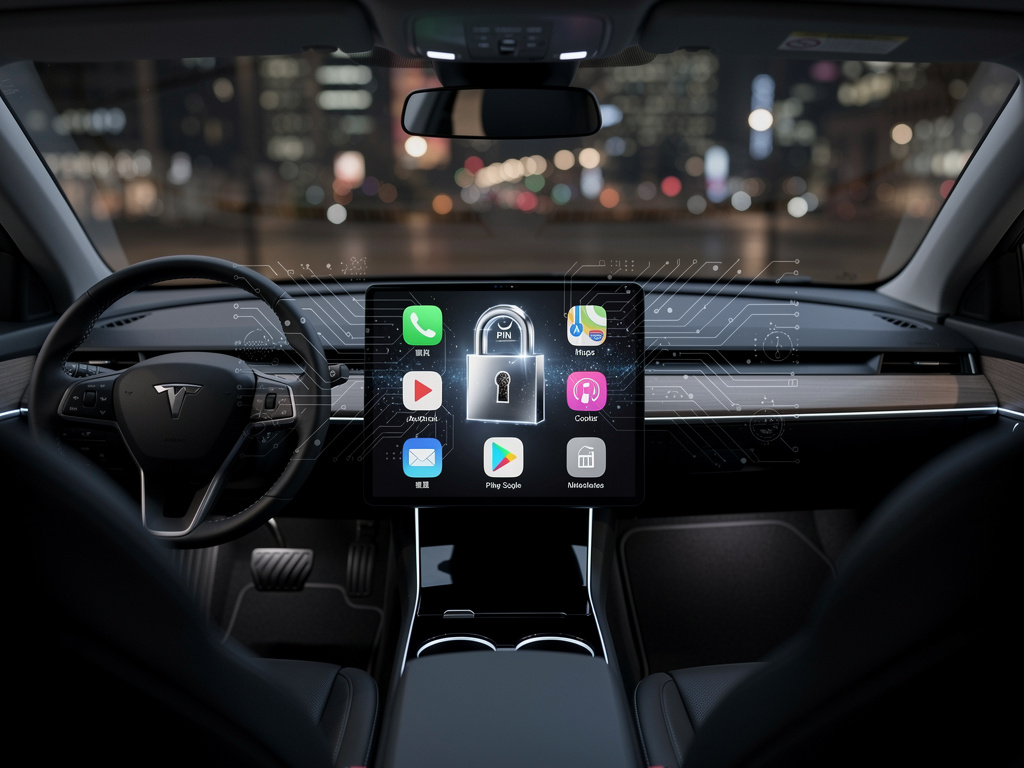
In an era where vehicles are becoming extensions of our digital lives, Google has unveiled a feature that addresses a nagging concern for drivers: protecting personal data in shared cars. The new Sensitive App Protection in Android Automotive allows users to lock individual apps with a PIN, ensuring that valets, mechanics, or passengers can’t snoop on sensitive information like WhatsApp messages. This move comes as connected cars proliferate, blending convenience with vulnerability.
The feature, detailed in a recent report by Digital Trends, targets the growing use of infotainment systems in vehicles. Android Automotive, unlike the phone-mirroring Android Auto, is built directly into the car’s operating system, powering dashboards in models from Polestar, Volvo, and others. With apps like WhatsApp integrated for hands-free communication, the risk of unauthorized access has escalated, especially in scenarios like valet parking where strangers handle your vehicle.
Google’s solution is elegant yet robust: drivers can select apps to protect, requiring a PIN for access while keeping essential functions like navigation unlocked. This granular control prevents wholesale lockdowns that could impair usability, striking a balance between security and functionality. Industry observers note this as a response to user feedback, where privacy breaches in shared mobility have become a flashpoint.
Enhancing Privacy in the Age of Shared Mobility
As ride-sharing and car-sharing services boom, the intersection of personal data and vehicular access has grown complex. Valet services, in particular, expose drivers to risks, with anecdotes of unauthorized app usage circulating on social media. Posts on X highlight user frustrations, from unexpected notifications to concerns over message privacy during brief handovers.
Beyond valets, the feature extends to family cars or rentals, where multiple users might interact with the system. Google’s implementation ensures that even if the car is in a restricted mode, protected apps remain inaccessible without the PIN. This builds on existing tools like valet mode in some vehicles, but refines it for the app-centric world of modern infotainment.
Comparisons to Apple’s CarPlay reveal Google’s edge here, as Android Automotive’s deeper integration allows for such OS-level protections. Analysts suggest this could set a standard, pressuring competitors to enhance their privacy offerings. The timing aligns with broader regulatory scrutiny on data handling in connected devices, including automobiles.
Integration Challenges and User Adoption
WhatsApp’s role in this narrative is pivotal, given its ubiquity for messaging. Recent integrations with car systems have enabled reading and responding to messages via voice, but updates have occasionally disrupted functionality. A piece from 9to5Google earlier this year noted bugs in Android Auto that affected WhatsApp messaging, underscoring the teething issues in these ecosystems.
Google’s fix not only resolves privacy gaps but also anticipates future enhancements. With Gemini AI poised to replace Google Assistant, as outlined in a roadmap confirmed by India.com, the landscape of in-car assistance is evolving. Gemini’s testing in Waymo robotaxis, reported by WebProNews, hints at voice-driven features that could interact with locked apps, adding layers of intelligent security.
User adoption will hinge on awareness and ease of use. Google’s support pages, such as those on Google Assistant Help, already guide settings for in-car assistants, but educating drivers on Sensitive App Protection will be key. Early adopters praise the feature for its seamlessness, though some express concerns over forgetting PINs in emergencies.
Broader Implications for Data Security in Vehicles
The push for privacy extends to upcoming WhatsApp updates, which promise enhanced features without revealing phone numbers, as detailed in a report from Informat.ro. This aligns with Google’s efforts, potentially creating a more secure ecosystem for messaging in transit. However, it excludes older phones, raising questions about accessibility in diverse markets.
In the context of Android Auto’s evolution, a subtle update teased in Autoevolution points to aesthetic improvements, but privacy remains the cornerstone. The community forums on Android Auto Community buzz with discussions on these changes, reflecting a user base eager for robust protections.
Critics argue that while PIN-locking is a step forward, it doesn’t address deeper vulnerabilities like data transmission over unsecured networks in cars. Automotive cybersecurity experts warn of potential hacks, emphasizing the need for end-to-end encryption in all in-car communications.
The Transition to AI-Driven Assistance
Google’s hints at phasing out Assistant by March 2026, primarily on Android Auto, as covered in another 9to5Google article, signal a shift toward Gemini. This AI could intelligently manage app locks, perhaps using biometric verification or contextual awareness to enhance security without user intervention.
Privacy changes in Gemini, explored in an Engadget analysis, have sparked debates on data usage. Emails to users about these shifts underscore Google’s commitment to transparency, yet questions linger on how in-car data will be handled under the new regime.
For industry insiders, this represents a pivot point: as cars become smarter, safeguarding personal information becomes paramount. Google’s feature could influence standards bodies, potentially leading to mandated privacy tools in connected vehicles.
Navigating Regulatory and Ethical Waters
Regulatory bodies are watching closely. In the U.S., agencies like the FTC have ramped up oversight on data privacy in IoT devices, including automobiles. Europe’s GDPR sets a high bar, and Google’s updates may help compliance by empowering users with control over their data.
Ethically, the feature raises discussions on digital divides. While affluent users with newer vehicles benefit, those in older models or emerging markets might lag. Posts on X echo this sentiment, with users debating the equity of tech advancements that prioritize privacy in premium segments.
Moreover, the integration of AI like Gemini in robotaxis, as in Waymo’s trials, extends these privacy considerations to autonomous vehicles. Passengers in shared rides could demand similar app protections, blurring lines between personal and public transport.
Future Horizons in Automotive Privacy
Looking ahead, Google’s playbook might inspire cross-platform innovations. Imagine voice biometrics or AI-driven anomaly detection to prevent unauthorized access, building on current PIN systems. Collaborations with apps like WhatsApp could yield native privacy modes tailored for in-car use.
Challenges remain, such as balancing security with emergency access. What if a locked app holds critical information during a crisis? Developers must engineer fail-safes, perhaps integrating with vehicle emergency systems.
Industry partnerships will be crucial. Automakers embedding Android Automotive are already touting these features in marketing, positioning privacy as a selling point amid competition from Tesla’s proprietary systems.
Voices from the Community and Beyond
Feedback from users, gleaned from social platforms, paints a picture of cautious optimism. Many appreciate the valet-proofing, sharing stories of past intrusions that this feature could prevent. However, some call for more: automatic locking based on geofencing or integration with car alarms.
Analysts predict ripple effects across the tech sector. As detailed in coverage from various outlets, this isn’t just about apps—it’s about trust in an increasingly connected world. Google’s move reinforces its position as a privacy steward, even as it navigates criticisms on data practices elsewhere.
For insiders, the real story lies in the data: how usage metrics will shape future iterations. If adoption soars, expect expansions to other sensitive areas like health apps or financial tools in cars.
Pioneering a Secure Driving Experience
Ultimately, Sensitive App Protection exemplifies Google’s adaptive strategy in automotive tech. By addressing real-world pain points, it not only enhances user experience but also sets precedents for the industry.
As vehicles evolve into mobile data hubs, features like this will define the boundaries of personal space on the road. With AI on the horizon, the fusion of intelligence and privacy could usher in a new era of secure, seamless driving.
Stakeholders from automakers to regulators must collaborate to ensure these advancements benefit all, fostering an environment where innovation doesn’t compromise safety or privacy. In this dynamic field, Google’s latest offering is a timely reminder of the delicate balance required.


 WebProNews is an iEntry Publication