
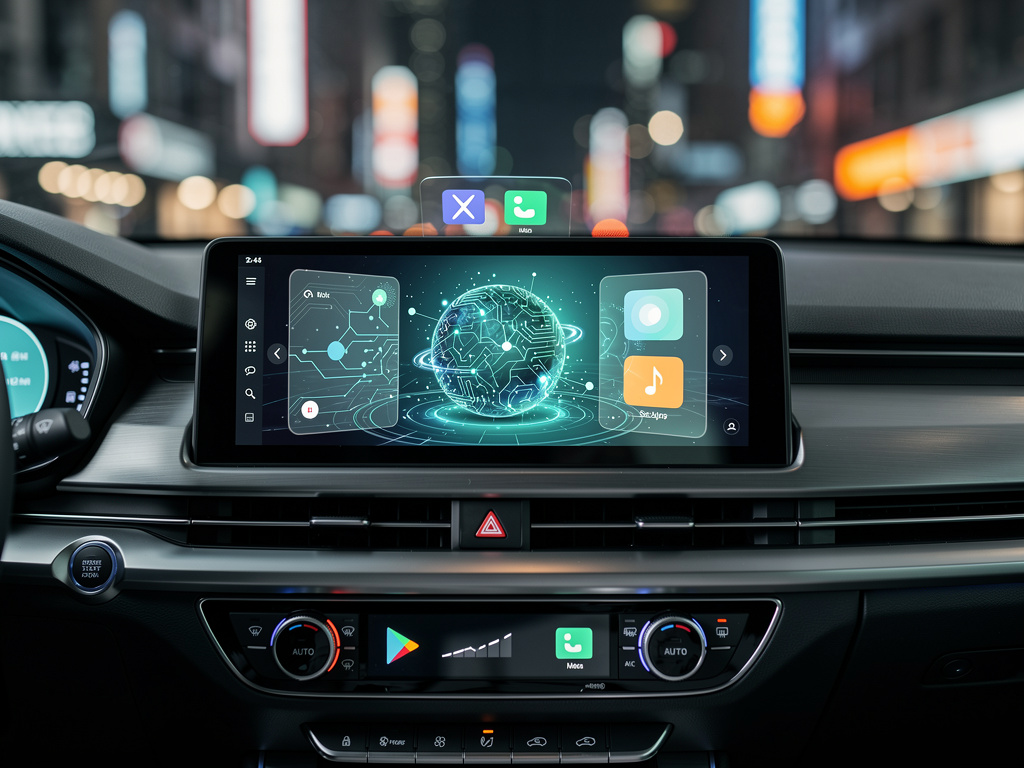
Revving Up the Drive: Android Auto’s Leap into AI-Powered Customization with Version 15.9
Google’s latest update to Android Auto, version 15.9, marks a significant step forward in integrating artificial intelligence into the driving experience, promising to transform how users interact with their vehicles’ infotainment systems. Released as the final stable build of the year, this update lays the groundwork for advanced features like Gemini AI integration and customizable widgets, even if the immediate changes appear subtle. According to reports from MSN, the rollout began through the Google Play Store, with options for APK sideloading for those eager to jump ahead.
At its core, Android Auto 15.9 focuses on behind-the-scenes enhancements that prepare the platform for more visible upgrades in the coming year. Industry observers note that while the user interface remains largely unchanged, the update includes code that supports the impending arrival of Gemini AI, Google’s next-generation assistant replacing the aging Google Assistant. This shift is not just cosmetic; it aims to deliver more contextual and intelligent responses during drives, drawing from real-time data and user habits.
The excitement around Gemini AI stems from its potential to handle complex queries on the fly, such as pulling up restaurant reviews or digging through emails for addresses without distracting the driver. Posts on X highlight a mix of enthusiasm and skepticism among users, with some praising the seamless integration and others pointing out initial hiccups in responsiveness. This update positions Android Auto as a more proactive companion, anticipating needs rather than merely reacting to voice commands.
Evolving the In-Car Assistant
Building on beta versions like 15.7, which introduced preliminary Gemini features, the 15.9 release solidifies these advancements. As detailed in a blog post from Google, Gemini can now assist with tasks like finding real-time information on routes or suggesting alternatives based on traffic patterns. This represents a departure from traditional assistants, offering a more conversational and adaptive interface.
Widget upgrades form another pillar of this update, allowing for greater customization of the homescreen. Users can adjust widget alignments and heights, creating a tailored dashboard that prioritizes essential apps like navigation, music, or weather. Sources from AndroidSage indicate that these changes were tested in betas and are now stabilizing in the full release, enhancing usability without overwhelming the driver.
However, not all feedback is uniformly positive. A poll discussed in coverage from 9to5Google reveals a divided user base, with some drivers loving the smarter replies and others frustrated by limitations in certain functionalities. This polarization underscores the challenges of rolling out AI in safety-critical environments like vehicles, where reliability is paramount.
Technical Foundations for Future Innovations
Delving deeper into the technical aspects, Android Auto 15.9 includes the “Cast” feature, enabling seamless media streaming from compatible devices to the car’s display. This addition, as reported by AndroidSage in a separate piece, expands the ecosystem’s connectivity, allowing users to cast content directly without relying on third-party apps. It’s a subtle yet powerful enhancement that bridges mobile and automotive tech.
Gemini AI’s integration draws from broader advancements in Google’s AI portfolio, including models like Gemini 1.5 Pro, which boasts extensive context windows for processing large amounts of data. X posts from tech enthusiasts, such as those emphasizing native audio support and multimodal capabilities, suggest that this AI could soon handle verbal prompts alongside visual inputs, making interactions more natural.
Moreover, the update sets the stage for 2026 features, as outlined in The Car Player. Widgets are expected to become even more dynamic, potentially incorporating AI-driven suggestions, while Gemini could evolve to personalize greetings or control in-car systems like climate and music without explicit commands.
User Reactions and Market Implications
Industry insiders are watching how these changes affect user adoption. With Android Auto already powering millions of vehicles, the shift to Gemini represents Google’s bet on AI to maintain dominance in automotive software. Coverage from Autoevolution notes the update’s quiet rollout, emphasizing its role as a foundational release rather than a flashy overhaul.
On X, sentiments vary, with some users hailing Gemini as a “game-changer” for long drives, while others criticize it for occasional inaccuracies compared to the reliable but outdated Google Assistant. This feedback loop is crucial, as Google often iterates based on real-world usage, potentially addressing pain points in future patches.
From a competitive standpoint, this update positions Android Auto against rivals like Apple’s CarPlay, which has its own AI enhancements on the horizon. By embedding Gemini, Google aims to create a more integrated experience across its services, from Search to Workspace, all accessible from the driver’s seat.
Behind-the-Scenes Preparations
Technically, the lack of immediate UI changes in 15.9 belies the extensive groundwork. As per 32Cars, the update includes APIs and frameworks that will enable widget expansions and deeper AI integrations. This preparatory work ensures that when full features launch, they do so smoothly, minimizing disruptions.
Gemini’s rollout in Android Auto also ties into broader Android ecosystem updates, such as those in Android 15, where the AI assistant provides real-time searches and contextual answers. X discussions highlight how this synergy could lead to a unified AI experience across devices, from phones to cars.
For developers, this means new opportunities to build apps that leverage Gemini’s capabilities, potentially creating custom widgets that interact intelligently with user data. Industry reports suggest that this could spur innovation in automotive apps, focusing on safety and convenience.
Challenges and Safety Considerations
Despite the promise, integrating AI into driving raises safety concerns. Gemini is designed to minimize distractions, with features like voice-only interactions and screen context awareness. A recent X post about Gemini checking screens for relevant answers illustrates this, allowing for hands-free explanations without pulling over.
However, critics argue that any AI imperfection could lead to errors in critical situations, such as navigation mishaps. Google addresses this by restricting certain functions, like commenting on driving events, as seen in app code analyses shared on X regarding Waymo’s testing.
Regulatory bodies are likely to scrutinize these developments, ensuring compliance with automotive safety standards. As AI becomes more embedded, expect ongoing debates about data privacy and the ethics of in-car surveillance.
Looking Ahead to 2026 and Beyond
As 2025 draws to a close, Android Auto 15.9 serves as a bridge to more ambitious updates. Sources like Tom’s Guide detail how Gemini enhances the assistant with smarter features, including Gemini Live for natural conversations.
User experiences shared on X indicate that while the update is a step forward, full realization of its potential may come with hardware integrations in newer vehicles. This could include better support for electric cars or autonomous features.
Ultimately, Android Auto’s evolution reflects Google’s vision of AI as an omnipresent helper, making drives not just safer but more enjoyable. With widgets and Gemini at the forefront, the platform is poised to redefine in-car technology, blending innovation with everyday utility.
Industry-Wide Ripples
The ripple effects extend to automakers partnering with Google. Brands incorporating Android Auto will benefit from these upgrades, potentially influencing vehicle design around digital interfaces. MSN’s coverage emphasizes how such updates keep the system fresh, encouraging loyalty among users.
On the development side, the open nature of Android allows for community contributions, with APK sideloading enabling early adopters to test and provide feedback. This collaborative approach accelerates improvements, as seen in beta programs.
In the broader tech ecosystem, Gemini’s in-car presence could inspire similar integrations in other domains, from smart homes to wearables, creating a cohesive AI network.
Personalization at the Wheel
Customization remains a key theme, with widget upgrades allowing users to mold the interface to their preferences. Whether aligning music controls or resizing navigation panels, these tools empower drivers to focus on what matters most.
Gemini adds a layer of intelligence, learning from interactions to offer proactive suggestions. For instance, it might recommend a playlist based on past trips or alert to weather changes en route.
As more users upgrade, data from these interactions will refine the AI, making it increasingly attuned to individual needs. This feedback-driven evolution ensures Android Auto stays relevant in a fast-changing tech environment.
Final Thoughts on Adoption and Impact
Adoption rates for 15.9 are expected to climb as awareness spreads. With the update available globally, including in regions like those covered by CarPlay Wireless in German markets, it’s clear Google is pushing for widespread accessibility.
Challenges aside, the consensus from web sources and X chatter is optimistic, viewing this as a pivotal moment for AI in mobility. By addressing user pain points and introducing cutting-edge features, Android Auto 15.9 not only closes out the year strongly but also accelerates toward a future where driving is augmented by intelligent, seamless technology.


 WebProNews is an iEntry Publication