
Android’s Queasy Ride Remedy: Decoding the Motion Cues Rumor for Version 17
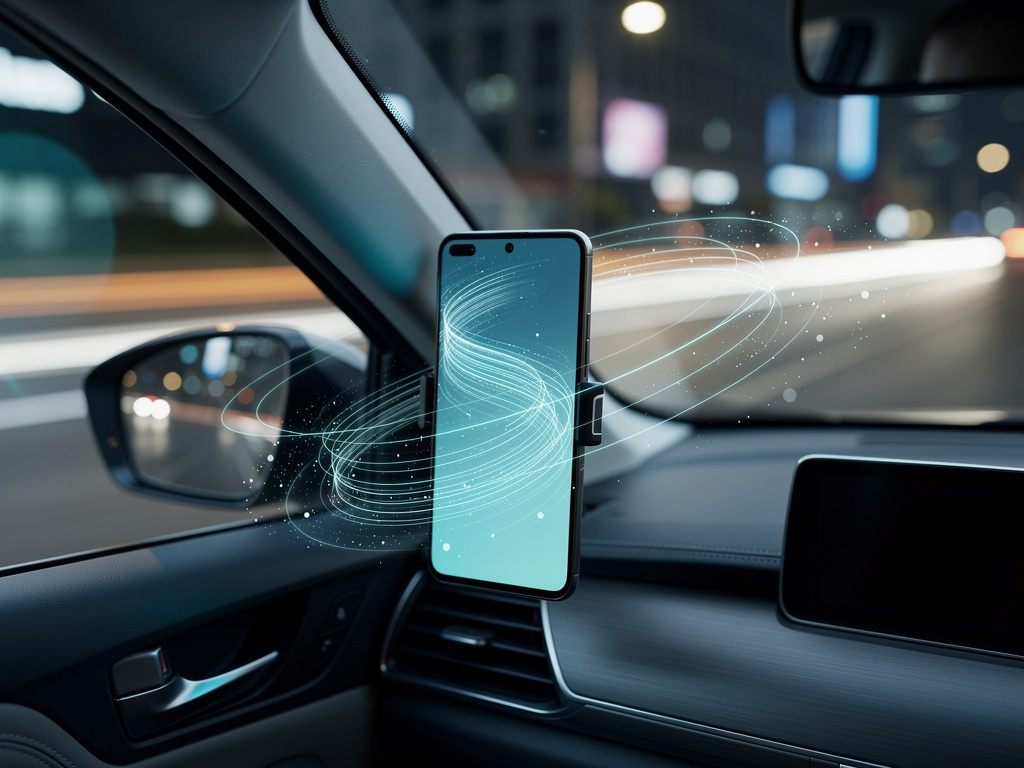
In the ever-evolving world of mobile operating systems, Google appears poised to address a persistent user complaint: motion sickness triggered by smartphone use in moving vehicles. Recent leaks suggest that Android 17, the next major iteration of the platform, could introduce a feature tentatively named Motion Assist, designed to mitigate the nausea and discomfort many experience while scrolling or navigating on their devices during car rides or public transit. This development, first hinted at in a Canary build of Chrome, mirrors a similar tool Apple rolled out in iOS 18, signaling yet another chapter in the cross-platform feature borrowing that defines the smartphone industry.
The concept isn’t entirely new. Motion sickness arises from a sensory mismatch—your eyes perceive stillness on the screen while your inner ear detects movement—leading to symptoms like dizziness, headaches, and vomiting. For years, users have sought workarounds, from third-party apps to simple habits like looking out the window. But with smartphones becoming indispensable for everything from work emails to entertainment on the go, tech giants are stepping in with systemic solutions. Google’s rumored approach involves displaying subtle visual cues on the screen that align with the vehicle’s motion, effectively tricking the brain into reconciling the conflicting signals.
Details emerged from an analysis of Chrome’s experimental builds, where code references to “Motion Assist” describe animations that respond to device sensors, such as the accelerometer and gyroscope. These cues might appear as faint dots or lines that move in sync with the vehicle’s acceleration, turns, or stops, much like Apple’s Vehicle Motion Cues, which overlay black dots on the screen’s edges. The feature aims to make phone usage more comfortable without disrupting the user interface, potentially toggling on automatically when motion is detected or via a quick settings tile.
Unpacking the Tech Behind Motion Mitigation
Industry insiders point to this as a natural progression in accessibility features, building on Android’s existing tools like reduced motion settings for animations. According to a report from Android Authority, the Motion Assist could debut in Android 17, expected in 2026, and might first appear on Pixel devices before wider rollout. This timeline aligns with Google’s pattern of introducing health-focused enhancements, such as the wellness apps in Wear OS that track physical activity and stress.
Comparisons to Apple’s implementation are inevitable. iOS 18’s Vehicle Motion Cues, launched in 2024, have received praise for their subtlety and effectiveness, with users reporting fewer instances of discomfort during long drives. Google’s version, however, could offer more customization, allowing users to adjust the intensity, color, or shape of the cues—insights gleaned from earlier APK teardowns that revealed evolving prototypes. One such teardown, detailed in another Android Authority piece, noted a potential name change from Motion Cues to Motion Assist, suggesting refinements in branding and functionality.
Beyond the user-facing benefits, this feature underscores broader implications for sensor integration in mobile tech. Modern smartphones are equipped with sophisticated inertial measurement units that can detect minute changes in orientation and velocity. By leveraging these, Motion Assist could pave the way for more immersive augmented reality experiences or even tie into automotive integrations like Android Auto, where seamless transitions between phone and car displays are crucial.
From Leaks to Launch: Tracing the Rumor Trail
The buzz around Android 17’s features has been building through a series of leaks and developer previews. Posts on X, formerly Twitter, from tech analysts like Mishaal Rahman have highlighted code snippets pointing to Motion Assist’s integration, with one noting its potential to “show visual cues to mitigate the sensory conflict” in vehicles. These social media insights, combined with formal reports, paint a picture of a feature that’s been in gestation since at least early 2025, evolving alongside other Android 17 rumored additions like enhanced desktop modes and AI-driven customizations.
Samsung, a key Android partner, is also reportedly adapting this for its One UI 9 skin, based on Android 17. A piece from Sammy Fans suggests Galaxy phones could gain Motion Assist, making it accessible to a vast user base. This cross-manufacturer adoption is vital, as motion sickness affects an estimated 30% of people in moving vehicles, according to studies from the National Institutes of Health, and could boost user retention by addressing real-world pain points.
Moreover, the feature’s development reflects Google’s response to competitive pressures. Apple’s lead in accessibility innovations, such as Live Captions and eye-tracking controls, has prompted Android to catch up. A deep dive from WebProNews explores how Android is “chasing” iOS in this arena, with third-party apps already filling the gap but lacking native polish. Google’s native implementation could standardize the experience, reducing reliance on fragmented solutions.
User Impact and Accessibility Advancements
For everyday users, Motion Assist promises to transform commutes and travel. Imagine reading news or responding to messages on a bumpy train without the onset of nausea—a boon for professionals, students, and families alike. Early feedback from similar features on iOS indicates high satisfaction rates, with some users claiming it extends their screen time in vehicles by up to 50%. If Android’s version includes auto-detection via GPS and sensors, it could activate seamlessly, enhancing usability without manual intervention.
Developers stand to gain as well. Android 17’s API updates, codenamed “Cinnamon Bun” and detailed in a Medium article by Rinkal Davdaparmar, suggest new tools for apps to interact with motion data. This could enable apps like ride-sharing services or navigation tools to incorporate anti-nausea modes, fostering innovation in mobile software. For instance, Google Maps might integrate custom interfaces on always-on displays, as hinted in X posts about “Min Mode” for AOD navigation.
Privacy considerations are paramount here. Features relying on constant sensor data raise questions about data collection. Google has emphasized opt-in mechanisms in past updates, and Motion Assist is likely to follow suit, allowing users to control when and how their motion is tracked. This aligns with Android’s push for enhanced privacy dashboards, expected to evolve further in version 17.
Industry Ripples and Future Horizons
The introduction of Motion Assist could influence hardware design, encouraging manufacturers to refine sensor accuracy in budget devices. As 5G and edge computing advance, real-time motion syncing with vehicle systems—perhaps via integrations with electric cars’ infotainment—might become feasible, blurring lines between phone and automobile tech.
Competition between Android and iOS often drives such advancements, benefiting consumers through iterative improvements. A report from India Today outlines Android 17’s broader changes, including design overhauls and privacy enhancements, positioning Motion Assist as part of a holistic update aimed at user well-being.
Looking ahead, this feature might extend beyond vehicles to other scenarios, like virtual reality or aviation, where motion discrepancies are common. Experts speculate that combining it with AI could predict and preempt sickness based on user patterns, turning a reactive tool into a proactive health aide.
Challenges in Implementation and Adoption
Despite the excitement, hurdles remain. Not all devices will support the feature immediately; older models lacking precise sensors might be excluded, fragmenting the Android ecosystem. Google’s challenge is ensuring broad compatibility, perhaps through software optimizations that approximate cues using less advanced hardware.
User education will be key. Many may not recognize motion sickness as a tech-solvable issue, so intuitive onboarding—via tutorials or notifications—could drive adoption. Feedback loops, where users report effectiveness, might refine the feature in beta phases, much like Android’s quarterly platform releases.
Economically, this could impact app ecosystems. Travel and productivity apps might see increased usage if users feel more comfortable engaging on the move, potentially boosting ad revenues and in-app purchases. Conversely, if the feature underperforms, it risks backlash, as seen with past Android experiments like the ill-fated Project Svelte for low-end devices.
Broader Implications for Mobile Health
Integrating Motion Assist speaks to a growing focus on digital wellness. Google’s ecosystem already includes features like Digital Wellbeing timers and bedtime modes; adding motion mitigation expands this to physical health, addressing how devices interact with our bodies in dynamic environments.
Collaborations with health organizations could validate its efficacy. Preliminary studies on similar tech show promise in reducing symptoms by 40-60%, per research from vestibular disorder specialists. If Android 17 delivers on this, it could set a standard for future OS updates, influencing even non-mobile platforms like wearables or smart glasses.
Ultimately, as Android 17 approaches, Motion Assist represents more than a gimmick—it’s a step toward making technology more humane, adapting to our physical realities rather than forcing us to adapt to it. With leaks continuing to surface, the tech community awaits official confirmation, likely at Google’s I/O conference, to see how this feature will reshape our mobile experiences.


 WebProNews is an iEntry Publication