
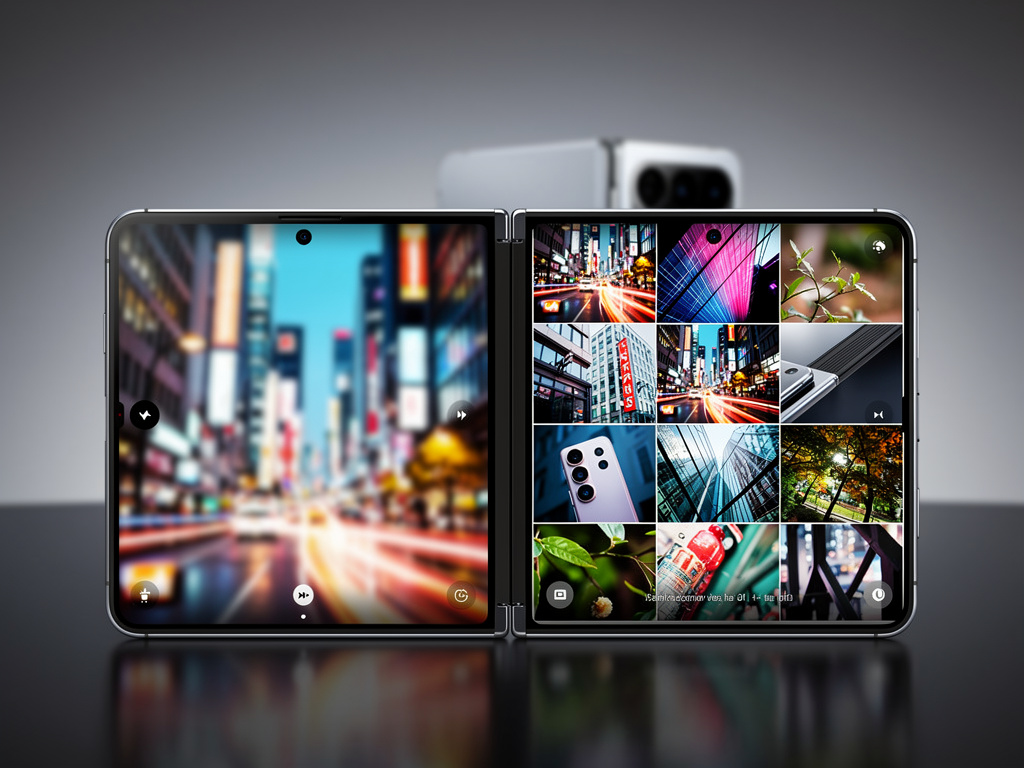
Google’s latest software update for its foldable smartphones marks a subtle yet significant evolution in how users interact with their devices, particularly in the realm of photography. The Pixel 9 Pro Fold, which debuted earlier this year, is now receiving a camera feature originally exclusive to the newer Pixel 10 Pro Fold. This addition allows users to review recent photos on half of the inner screen while keeping the camera viewfinder active on the other half, streamlining the shooting process without forcing a switch between apps or modes. According to reports from industry observers, this split-screen functionality addresses a longstanding pain point for foldable phone users who juggle multitasking demands.
The update, rolled out in phases as part of Google’s ongoing software support, aligns with the company’s broader push to enhance user experience across its hardware lineup. In a post on the Google Pixel Community, the tech giant detailed how new features are being deployed gradually to ensure stability across regions. For Pixel 9 Pro Fold owners, this means a more intuitive way to capture and assess images in real time, especially useful for those who rely on the device’s expansive inner display for creative work or quick edits.
This development isn’t just a minor tweak; it underscores Google’s strategy to retroactively improve older models, potentially extending their market relevance. Industry insiders note that such updates can influence consumer decisions, encouraging loyalty by making devices feel fresh long after purchase. As foldables gain traction in a market dominated by traditional slab phones, features like this could tip the scales for professionals in photography or content creation who need seamless workflows.
Enhancing Foldable Photography Dynamics
Delving deeper, the feature in question transforms the Pixel 9 Pro Fold’s camera app into a more versatile tool. When the phone is unfolded, users can snap a photo and immediately see a preview on one side of the screen, while the other side remains ready for the next shot. This eliminates the need to fold the device or navigate away from the camera interface, a common frustration highlighted in user feedback on social platforms. Posts on X, formerly Twitter, from tech enthusiasts praise this as a “game-changer” for on-the-go photography, with one user noting how it mimics professional camera setups without added bulk.
Comparisons to the Pixel 10 Pro Fold reveal why this was a natural backport. The newer model, announced in August 2025 via Google’s official blog, introduced this capability alongside hardware upgrades like a gearless hinge and a larger battery. Yet, software parity ensures that Pixel 9 Pro Fold users aren’t left behind, a move that echoes Google’s history of feature drops through updates. For instance, the November 2025 update, as covered in various tech outlets, included broader enhancements like improved AI integrations, but this camera-specific addition stands out for its practicality.
From a technical standpoint, the implementation leverages the foldable form factor’s unique dual-screen potential. Engineers at Google have optimized the Tensor G5 chip—present in the Pixel 10 series but with software emulations for older models—to handle real-time rendering without lag. This isn’t merely cosmetic; it reduces the cognitive load on users, allowing for faster iterations during shoots. Analysts suggest this could boost the appeal of foldables in professional settings, where time efficiency is paramount.
Market Implications and User Adoption
The rollout has sparked discussions about Google’s competitive positioning against rivals like Samsung and OnePlus, whose foldables have long touted multitasking prowess. In a detailed comparison by PCMag, the Pixel 10 Pro Fold edges out its predecessor in subtle ways, including this camera feature, but the update levels the playing field. Early adopters of the Pixel 9 Pro Fold, who might have felt shortchanged by the rapid release of the next generation, now benefit from extended value, potentially reducing buyer’s remorse.
User sentiment on X reflects a mix of excitement and relief. Multiple posts highlight how this feature “should’ve been there from day one,” echoing articles that critique Google’s initial oversight. For example, one tech reviewer on the platform described it as aligning the Pixel 9 Pro Fold more closely with the entertainment-focused design of the Pixel 10 Pro Fold, as promoted on Google’s store page. This grassroots feedback underscores a broader trend: consumers increasingly expect iterative improvements via software, not just hardware refreshes.
Moreover, this update ties into Google’s ecosystem-wide AI advancements. The Pixel 10 series introduced tools like Camera Coach for real-time shooting guidance, as teased in X posts from industry leakers. While not directly part of this camera split-view, the synergy suggests Google is building a cohesive photography suite. For insiders, this points to a future where AI-driven features could further blur lines between device generations, challenging the traditional upgrade cycle.
Technical Underpinnings and Challenges
Behind the scenes, implementing this feature on the Pixel 9 Pro Fold required careful optimization to avoid performance hits. The device’s inner screen, measuring 8 inches when unfolded, demands efficient resource allocation to display live previews without draining the battery. Reports from Android Headlines detail how Google addressed this by refining the camera app’s architecture, ensuring compatibility with the older Tensor G4 chip while mimicking the efficiency of the G5.
Challenges weren’t absent; some users reported initial glitches during the phased rollout, as noted in community forums. Google’s response has been proactive, with extended repair programs for related hardware issues, such as display faults on the Pixel 9 Pro series. A piece in The Verge explains how the company is offering three years of free repairs for affected units, including the Fold models, demonstrating commitment to reliability.
For developers and app creators, this update opens doors to similar split-screen innovations. The Android ecosystem, bolstered by Google’s guidelines, could see third-party apps adopting comparable functionalities, fostering a more robust foldable app environment. Insiders speculate this might accelerate adoption rates, with foldables projected to capture a larger market share by 2027, driven by such user-centric enhancements.
Broader Industry Ripple Effects
Looking beyond Google, this move influences the foldable segment as a whole. Competitors may feel pressure to match or exceed these software perks, especially as consumers prioritize longevity over flashy specs. Verizon’s listing of the Pixel 10 Pro Fold emphasizes its pro-level camera, but the backport to older models could erode the incentive for immediate upgrades, a double-edged sword for sales strategies.
In terms of photography trends, this feature caters to the rise of mobile content creation. Professionals using foldables for vlogging or social media can now iterate shots more fluidly, reducing post-production time. X posts from creators highlight how it integrates with AI editing tools, like conversational photo tweaks mentioned in leaks about the Pixel 10 series, potentially revolutionizing on-device workflows.
Economically, such updates extend device lifecycles, aligning with sustainability goals. By keeping the Pixel 9 Pro Fold relevant, Google reduces electronic waste and appeals to environmentally conscious buyers. Industry reports suggest this could set a precedent, with other manufacturers following suit to bolster brand loyalty amid economic uncertainties.
Future Prospects for Pixel Innovations
As Google continues to refine its foldable lineup, this camera update serves as a bellwether for future directions. Rumors on X point to even more AI integrations in upcoming patches, such as enhanced voice-activated shooting and animations to engage subjects, as showcased in promotional materials from Cryptonomist. These could further differentiate Pixel devices in a crowded market.
For insiders, the key takeaway is Google’s agile approach to hardware-software synergy. Unlike rigid annual cycles, this iterative model allows for rapid responses to user needs, potentially disrupting how tech giants plan product roadmaps. The Pixel 9 Pro Fold’s newfound capability not only enhances daily use but also signals a maturing foldable category ready for mainstream dominance.
Ultimately, this development reinforces Google’s position as an innovator in mobile imaging. By bridging features across generations, the company fosters a loyal user base while pushing the boundaries of what’s possible with foldable technology. As more updates roll out, the line between new and old hardware blurs, promising a more inclusive era for smartphone enthusiasts and professionals alike.


 WebProNews is an iEntry Publication