
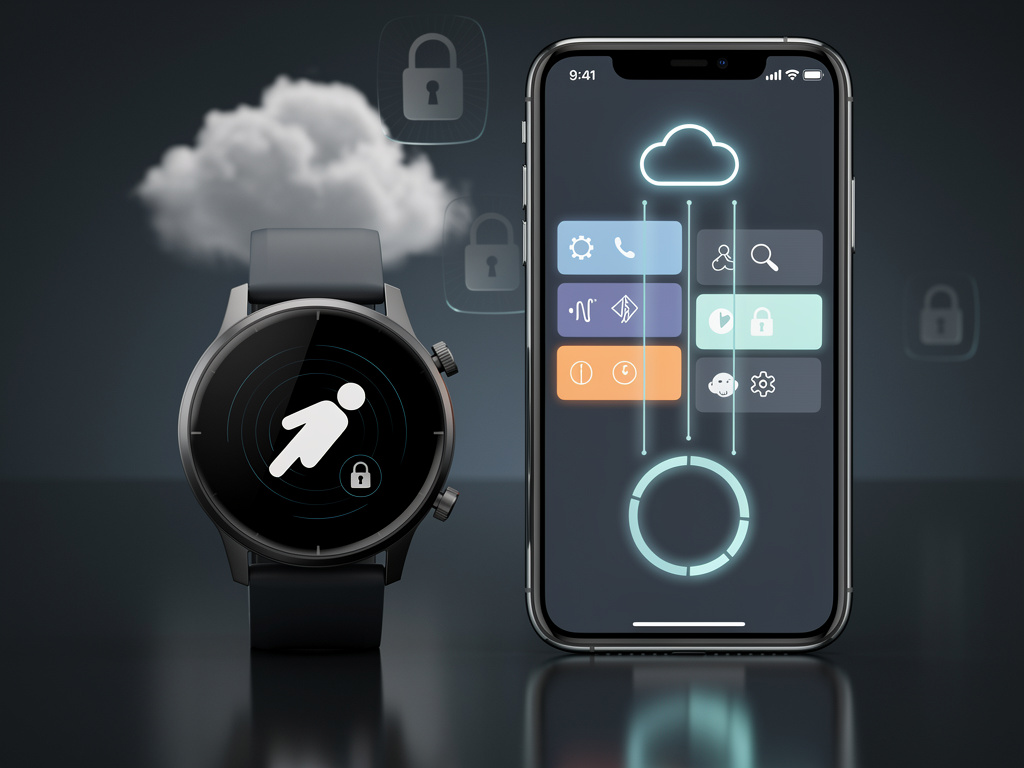
Google’s Pixel Watch has long promised peace of mind through features like Fall Detection. Detect a hard tumble. Vibrate. Alarm. Call for help if needed. But now, a change brews. The company plans to lock this capability behind a Google account sign-in.
Currently, owners can flip on Fall Detection without linking an account. Straightforward. No barriers. That ends soon. APK strings in Pixel Watch app version 4.4.0.897056328 reveal incoming prompts: “Fall Detection will soon require sign-in.” Users see a grace period—likely several days—to comply before access cuts off. “Sign in to Personal Safety within %d days to continue using this feature,” the message reads. Settings sync across devices once logged in. A nudge toward Google’s ecosystem.
Stephen Schenck at Android Authority spotted the shift first. Google wants accounts for Personal Safety, the app housing Fall Detection, Emergency SOS, and more. Makes sense for syncing. For data improvement. But it irks the rare holdout avoiding sign-ins. Privacy advocates might bristle. Most users? Already logged in.
Fall Detection debuted months after the original Pixel Watch in 2022. Motion sensors spot severe falls. Give 30 seconds to respond. Then 60 more before dialing emergency services. Share location too, if permitted. Google’s support page stresses limits: won’t catch every fall. Needs network. LTE models shine; Wi-Fi versions lean on nearby phones. Users must grant location access to Personal Safety.
And here’s the pivot: broader safety demands deeper ties.
Personal Safety isn’t standalone. On LTE Pixel Watch 2 and 3, advanced bits like Safety Signal—emergency calls to contacts—require Fitbit Premium. Sign in there too. “Pixel Watch 2 users must move Fitbit to a Google Account,” per Google’s help docs at Google Pixel Watch Help. No Premium? No Signal. Fall Detection ties in, though base use stays free post-sign-in—for now.
Industry watchers see pattern. Apple mandates iCloud for some Watch safety syncing. Samsung pushes accounts for Galaxy Watch features. Google follows. Enables cross-device consistency. Emergency contacts on phone mirror to watch. Medical info accessible. But it centralizes data. Google’s data. Questions linger on retention, use beyond safety.
Users react on X. Android Authority’s post drew quick shares. One quipped about “Cyberpunk” vibes—paywalls for emergencies. Others shrug. Subscriptions like Fitbit Premium already gate advanced health insights. Fall Detection? Core safety. Free at launch. Account-only now.
Grace period buys time. Sign in via Pixel Watch app. Or directly on device: Settings > Safety & emergency > Fall Detection. Prompt appears. Follow it. Syncs everything. No disruption if compliant. Refuse? Feature vanishes.
This isn’t first safety tweak. June 2024 Feature Drop added Bicycle Fall Detection to Pixel Watch 2. Car Crash too. Loss of Pulse rolled to Watch 3 last year—FDA cleared. Each builds stack. Each leans on account ecosystem. Google bets users value safety over anonymity.
Critics point flaws. False positives rare but real. Sensors miss subtle falls. No detection for preexisting conditions. Always consult doctors, Google warns. Account mandate? Adds friction for edge cases. Gifted watches. Shared devices. Kids’ use—though Fitbit Ace LTE targets them separately.
Rollout timing? Imminent. Strings live in app. Server-side flags likely trigger banners soon. Multi-day buffer softens blow. Post-compliance, expect refinements. Better algorithms via aggregated data. Opt-in improvements already exist.
For insiders, watch app updates closely. Version 4.4 hints more. Notification tweaks. Battery opts. Safety core stays priority. Google pushes Pixel Watch 3 LTE for full suite—now with Loss of Pulse in 14 countries, US by late March 2025 per Pharmacy Times. Account walls extend reach. Or erect barriers.
Owners, check now. Account linked? You’re set. Not? Grace awaits. Safety features evolve. So do requirements.


 WebProNews is an iEntry Publication