
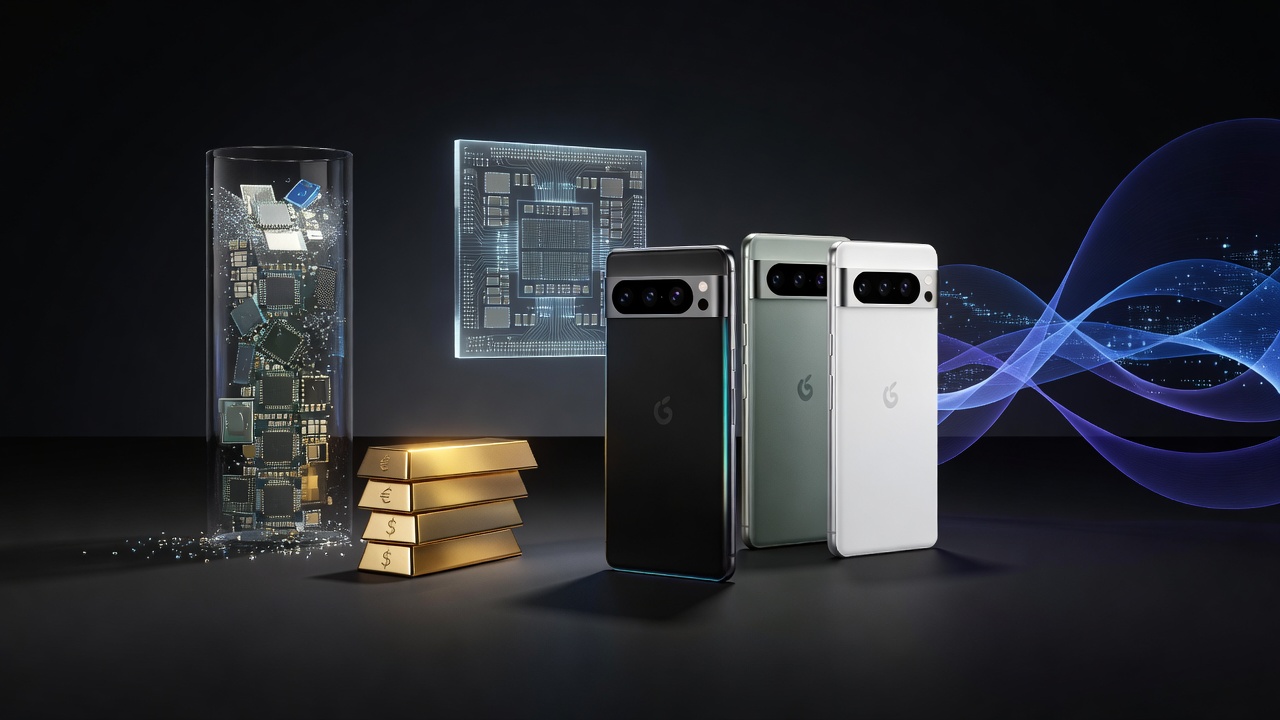
Google just confirmed what many in the hardware world had circled on their calendars. The company will hold its next Made by Google event on August 12 at 6 p.m. ET in New York City. Invitations landed in inboxes Tuesday, showing an animated gold or copper-toned phone from the Pixel 11 family. And this time the gathering comes with real constraints.
Memory shortages are forcing changes. Base models will start at 256GB instead of 128GB. Prices are likely to climb. One persistent rumor points to trimmed RAM on entry-level units. Yet the company also promises modest but meaningful steps forward in its homegrown silicon. The Tensor processor gets an update. Cameras may sharpen. Displays could grow brighter. The mix leaves analysts weighing trade-offs against steady AI improvements.
Engadget first reported the August 12 date and the subdued tone tied to component constraints. No 128GB variant anywhere in the lineup. Base storage jumps to 256GB. Google is expected to charge more as a direct result. A separate leak floated the idea of reduced RAM in some configurations. That talk has not gathered much momentum. Still, the pressure from industry-wide shortages feels real.
But the event won’t focus solely on compromises. The Tensor G6 chip sits at the center of anticipated gains. Early details suggest a move to TSMC’s advanced N2 process. Performance should improve without the dramatic leaps seen in rival silicon. Google has never chased raw benchmark numbers with Tensor. It bets instead on tight integration with its AI models and on-device processing. This approach has defined Pixel phones since the line launched a decade ago. It continues here.
Design tweaks appear evolutionary. Leaked CAD renders show noticeably thinner bezels on the standard Pixel 11. The signature camera bar turns solid black, losing the two-tone look. Pro models could arrive thinner overall. The Pro Fold variant might shed weight and gain a redesigned camera bump. These changes sound incremental. In a market dominated by folding glass and under-display cameras, Google prefers refinement over spectacle.
One feature has already drawn early buzz. Pixel Glow, an RGB lighting system around the camera bar or edges, received a tease during Google I/O earlier this year. The effect could pulse with notifications or AI alerts. It adds a visible personality to a device line known more for software smarts than hardware flash. Whether it makes the final cut remains unconfirmed. Yet the mere mention signals Google’s willingness to experiment with visual cues.
The Verge received one of the official invitations and noted the gold finish animation. The event returns to New York, a venue Google used successfully before. Last year’s gathering featured host Jimmy Fallon guiding viewers through a celebrity-filled tour of new features. Speculation swirls about a repeat performance. The tone this year may stay more serious given supply headwinds.
AI remains the true headline. Google has spent the past two generations pushing on-device Gemini models. Call screening, photo editing, and real-time translation all run locally with growing sophistication. The Pixel 11 lineup is expected to expand those capabilities. New proactive features could anticipate user needs before they ask. Battery life, always a Pixel strength, might hold steady even if cell capacity shrinks slightly thanks to efficiency gains in the G6 chip.
Storage decisions carry consequences. In 2026, 128GB feels limiting for users who shoot 4K video or download large AI models. Starting at 256GB addresses that reality. But higher entry prices risk alienating budget-conscious buyers who once flocked to Pixels. Google has raised average selling prices steadily. The question is whether the added AI polish and camera prowess justify the jump for enough customers.
Industry watchers point to broader trends. RAM and NAND flash prices have climbed throughout the year. Smartphone makers across the board face similar pressures. Some have absorbed costs. Others pass them to consumers. Google appears to have chosen a hybrid path: eliminate the lowest storage tier, raise prices modestly, and avoid deep RAM cuts on flagship models. The Pro and Pro XL variants are rumored to retain 12GB or higher. Only the base model may see an 8GB starting point according to leaks from earlier in the spring.
BGR highlighted the RAM shortage risk in a recent analysis, calling it a potential red flag for buyers considering waiting. The piece notes that even the base Pixel 11 may match the current 12GB in some reports, yet other sources insist on a possible downgrade. Such conflicting signals are common this far from launch. They also underscore how component availability now shapes flagship roadmaps more than pure engineering ambition.
Camera hardware could see its biggest leap in years. Previous Pixels relied on computational photography to overcome modest sensor sizes. The Pixel 11 may pair larger sensors with the improved Tensor for better low-light performance and faster processing. Video stabilization and zoom quality have become table stakes. Google needs to deliver noticeable advances to keep pace with leaders from Apple and Samsung.
The foldable chapter deserves attention too. The Pixel 9 Pro Fold and its successor struggled with thickness and price. Rumors suggest the Pixel 11 Pro Fold trims both. A lighter hinge and slimmer profile could broaden appeal. Availability might slip to later in the fall, consistent with prior generations. Google has treated foldables as a secondary priority. That stance may be shifting as the category matures.
Accessories round out the announcement. The Pixel Watch 5 is due with fresh health sensors and longer battery life. New Pixel Buds could bring improved noise cancellation and direct Gemini integration for on-ear AI assistance. These products rarely steal the show. They do, however, reinforce the idea of a cohesive hardware-software ecosystem that keeps users inside Google’s services.
Timing matters. The August 12 date lands earlier than last year’s August 20 event. It gives Google more runway before Apple’s expected September iPhone launch. Supply chain issues may have dictated the schedule as much as marketing strategy. Either way, the company gains precious weeks to ship units and capture holiday buzz.
Ten years into the Pixel story, expectations have changed. The brand no longer competes purely on value. It sells a specific vision of helpful AI embedded in premium hardware. Tensor’s limitations in sustained performance draw criticism from benchmark enthusiasts. Google counters that most users notice smoothness in daily tasks and camera results more than synthetic tests. The argument has held so far. Sales have grown. Market share in the U.S. premium segment has expanded.
Yet the memory constraints arrive at an awkward moment. AI features demand more RAM for larger models. On-device processing requires fast local memory. Cutting back feels counterintuitive. Google may mitigate with smarter memory management or cloud offload for complex tasks. The details will matter when devices reach reviewers in late August.
Analysts will watch pricing closely. If the base Pixel 11 starts near $800 with 256GB, it narrows the gap to Apple and Samsung flagships. The value proposition weakens. Google could offset that with trade-in deals or carrier promotions. The company has grown more aggressive on those fronts.
One thing seems clear. This event will not dazzle with radical new form factors. No under-display cameras. No triple-fold experiments. Google bets on steady progress in software intelligence, camera computation, and battery endurance. The gold finish on the invitation offers a hint of flair. The real story lies in how the company threads the needle between supply realities and user expectations.
By the time the lights dim in New York on August 12, the industry will have fresh data points on where Pixel stands in a crowded field. The Tensor G6 won’t outrun the latest Snapdragon or A-series chips. It doesn’t need to. If Google delivers meaningful AI experiences that feel personal and private, the hardware compromises may fade into the background. That has been the Pixel formula for a decade. It faces its sternest test yet.


 WebProNews is an iEntry Publication