
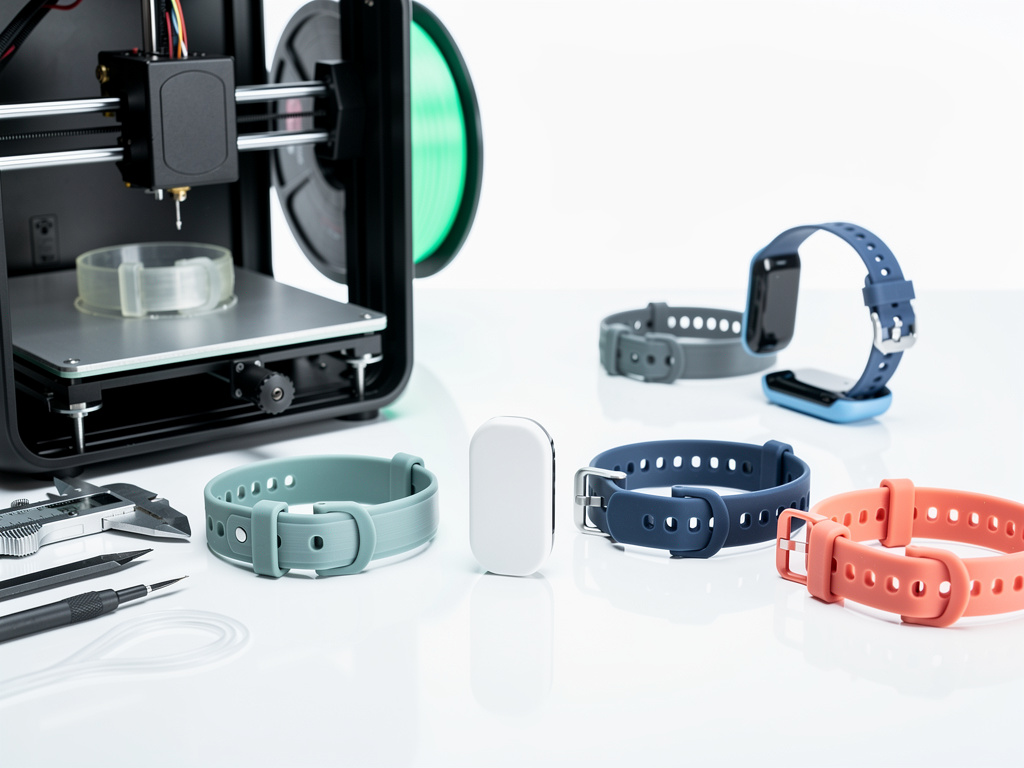
Google has taken an unexpected turn in its wearable strategy by encouraging users to create their own custom bands for the Fitbit Air through 3D printing. The company recently shared detailed instructions and open-source design files that allow anyone with access to a 3D printer to produce personalized straps for the upcoming lightweight fitness tracker. This move marks a significant shift in how consumers might interact with wearable accessories moving forward.
The Fitbit Air represents a fresh direction for the Google-owned brand. Positioned as an ultra-light device, it aims to sit comfortably on the wrist without the bulk often associated with smartwatches or traditional fitness bands. Early descriptions suggest the tracker focuses on core health metrics such as heart rate, activity levels, and sleep patterns while maintaining a minimal profile that some users find preferable to heavier alternatives. By opening up the band design process, Google appears to address one of the most common complaints about wearables: the limited selection of styles and sizes that fit individual preferences or body types.
According to information shared on the Digital Trends website, the initiative provides enthusiasts with everything needed to get started. The company has released STL files compatible with most consumer-grade 3D printers along with step-by-step guidance for printing, post-processing, and attaching the bands to the Fitbit Air module. Materials recommended include flexible filaments like TPU, which offer the necessary comfort and durability for all-day wear. The designs accommodate various wrist sizes and incorporate different aesthetic options ranging from simple solid colors to more intricate patterns.
This approach carries several practical benefits. First, it allows users to achieve a perfect fit that off-the-shelf bands rarely provide. People with particularly small or large wrists often struggle to find comfortable options, leading to inconsistent wear and inaccurate data collection. With 3D printed bands, individuals can adjust dimensions precisely before printing or even modify the provided files using free software like Tinkercad or Fusion 360. The customization extends beyond size to include color matching with personal style, incorporation of textures for better grip during exercise, or even functional additions like slightly thicker sections for those who prefer more cushioning.
Environmental considerations also come into play with this manufacturing method. Traditional fitness bands often rely on specialized production lines that generate waste and require shipping across long distances. By contrast, 3D printing at home or through local print services dramatically reduces the carbon footprint associated with each accessory. Users can reprint bands as needed when the original shows wear, extending the overall lifespan of their Fitbit Air device. This modular concept treats the tracker core as a permanent component while making the surrounding band easily replaceable and upgradable.
The technical requirements remain accessible for many hobbyists already familiar with 3D printing. Most modern printers handle TPU filament without major modifications, though users should ensure proper bed adhesion and slower print speeds to achieve good layer bonding with flexible materials. The provided files include built-in tolerances that account for common printing variations, reducing the likelihood of bands that fit too tightly or too loosely on the tracker module. Google also suggests specific infill percentages and wall thicknesses that balance flexibility with structural integrity, ensuring the printed bands can withstand daily movement and occasional impacts.
Beyond basic functionality, the open-source nature of these designs invites community innovation. Makers can experiment with alternative materials, such as softer foams or hybrid prints that combine rigid and flexible elements. Some may incorporate glow-in-the-dark compounds for visibility during nighttime runs or embed small pockets designed to hold essential oils for aromatherapy enthusiasts. The shared files serve as starting points rather than final products, encouraging modifications that reflect personal needs or creative visions. Online forums dedicated to 3D printing and fitness tracking have already begun discussing potential improvements, from ventilation holes that improve breathability in hot climates to reinforced attachment points for users engaged in high-intensity sports.
This strategy reflects broader changes in how technology companies approach product development. Rather than maintaining complete control over every aspect of the user experience, Google has chosen to distribute certain elements to the community. The decision carries risks, particularly around quality control and brand consistency. A poorly printed band could potentially damage the tracker or create safety issues if it breaks during activity. However, the company seems to have mitigated these concerns by providing clear disclaimers about proper printing techniques and recommended materials. The approach also positions Fitbit as more approachable for technically inclined users who enjoy modifying their devices.
Integration with the existing Fitbit ecosystem remains straightforward. The printed bands attach to the Air module using the same secure mechanism as factory-produced versions, maintaining the water resistance and overall durability of the device. Users can switch between different printed designs depending on the occasion or activity without affecting sensor accuracy or battery performance. This flexibility could prove particularly valuable for athletes who want a minimal band for racing but prefer something more substantial for everyday tracking.
The timing of this announcement coincides with growing interest in personalized health technology. As more people seek devices that truly fit their lifestyles rather than forcing adaptation to standardized products, options for customization gain appeal. The Fitbit Air with 3D printed bands offers an entry point into this space that requires minimal financial investment beyond the initial tracker purchase and access to a printer. Filament costs for a single band typically range from just a few dollars, making experimentation affordable compared to purchasing multiple official accessories.
Educational opportunities emerge as well. Schools with 3D printing programs could incorporate the Fitbit Air band designs into lessons about product design, material science, or digital fabrication. Students might analyze how different print orientations affect band flexibility or test various infill patterns to optimize comfort. Such projects connect abstract technical concepts with practical applications in personal health, potentially inspiring the next generation of wearable designers.
Challenges do exist with widespread adoption of this method. Not everyone owns or has access to a 3D printer capable of handling flexible filaments effectively. While print services exist in many areas, the additional cost and wait time could deter some users. Print quality varies significantly between different machines and operators, which might lead to inconsistent experiences. Google has attempted to address these barriers by partnering with selected online printing platforms that can produce bands to order using the official files, though details about pricing and availability remain limited at this stage.
The designs themselves demonstrate thoughtful engineering. Attachment points distribute stress evenly to prevent premature failure, while the overall shape follows the natural contours of the wrist to minimize pressure points. Ventilation patterns incorporated into several variants help reduce moisture buildup during intense workouts. Different models accommodate various aesthetic preferences, from minimalist bands that virtually disappear on the wrist to bolder versions that make a fashion statement. This range ensures the Fitbit Air can adapt to both professional environments and casual settings without requiring multiple devices.
Looking at similar initiatives in other industries provides context for Google’s decision. The cycling community has long embraced 3D printed components, from saddle rails to bottle cages, valuing the ability to create parts optimized for individual biomechanics. In the prosthetics field, customized sockets produced through additive manufacturing have improved comfort and functionality for users worldwide. These examples suggest that wearables represent a natural extension for personalization technologies that have already proven their value in other domains.
Google’s move could influence how other manufacturers approach accessory design. If the Fitbit Air program gains traction, competitors might release their own open-source files or encourage third-party printing of compatible bands. This shift would transform the accessories market from one dominated by proprietary parts to a more open system where innovation comes from multiple directions. Consumers would benefit from increased choice and potentially lower costs while companies could focus resources on improving the core tracking technology rather than constantly developing new band styles.
Early feedback from those who have tested the printed bands has been largely positive. Many report improved comfort compared to traditional silicone or fabric options, particularly during extended wear. The ability to match bands precisely to skin tone or outfit colors has also drawn praise from users who value coordination with their personal style. Some have noted that well-printed TPU bands develop a pleasant softness over time that enhances the wearing experience without sacrificing security.
Technical support for the project extends beyond the initial file release. Google has established dedicated channels where users can ask questions about print settings, suggest modifications, or share successful prints. This community-driven support model helps troubleshoot common issues like stringing on flexible filaments or attachment difficulties. Regular updates to the design files based on user input demonstrate an ongoing commitment to refinement rather than a one-time release.
The environmental impact deserves additional attention. Each 3D printed band avoids the packaging, shipping emissions, and retail overhead associated with mass-produced accessories. As awareness of sustainability grows among consumers, this aspect could become an important factor in purchasing decisions. Users can further reduce waste by recycling failed prints or worn-out bands, creating a more circular approach to wearable accessories.
Implementation requires attention to several practical details. Proper calibration of the 3D printer ensures accurate dimensions that match the Fitbit Air module precisely. Users should experiment with different print orientations to find the optimal balance between strength and flexibility for their specific needs. Post-processing steps like removing support structures and smoothing rough edges contribute significantly to final comfort and appearance. Following the provided guidelines helps avoid common pitfalls that could lead to bands that don’t fit correctly or wear out prematurely.
This development signals a maturation in the wearable technology sector. Rather than continuing to produce devices in isolation, companies are beginning to recognize the value of involving users directly in certain aspects of product creation. The Fitbit Air with its 3D printable bands represents an experiment in distributed manufacturing that could reshape expectations for future devices. By giving people the tools to create their own accessories, Google has opened new possibilities for personalization that extend far beyond simple color choices.
The project also highlights the growing capabilities of consumer 3D printing technology. What once required industrial equipment can now be accomplished with desktop machines that fit in home offices. Improved filament formulations have made flexible materials more reliable and comfortable for wearable applications. These advances have reached a point where companies can confidently direct users toward home manufacturing for certain components without compromising the overall product experience.
As more people discover the satisfaction of creating functional objects that they use daily, initiatives like this may become more common across different product categories. The combination of health tracking with personal fabrication creates an engaging experience that connects digital data with physical creation. Users who print their own bands develop a deeper connection to their fitness devices while gaining skills that transfer to other areas of making.
The open nature of the files ensures that even if official support eventually ends, the community can continue refining and expanding the designs. This longevity adds value to the initial purchase and protects users from planned obsolescence in the accessory category. Future modifications might include bands optimized for specific activities, such as swimming or weightlifting, or adaptations for users with particular medical requirements.
Google’s willingness to share these designs demonstrates confidence in the Fitbit Air platform and recognition that user creativity can enhance rather than diminish the product. The approach treats consumers as capable partners in the development process rather than passive recipients of finished goods. This philosophy could lead to more innovative solutions than any single design team might conceive alone.
The availability of these resources through official channels provides reassurance about quality and compatibility that purely third-party options might lack. By maintaining oversight while distributing the actual production, Google has found a balance that encourages participation without relinquishing all control. The result is a system that benefits both the company and its customers through shared knowledge and distributed effort.
This initiative stands as a noteworthy example of how technology companies can engage with their user base in meaningful ways. By providing the means to create personalized components, Google has transformed a standard accessory into an opportunity for individual expression and practical customization. The Fitbit Air with its 3D printed bands offers a glimpse into a future where devices adapt more readily to the people who use them, creating better experiences through direct involvement in the manufacturing process. As the project develops and more users participate, the collected feedback and shared designs will likely influence not only future Fitbit products but the broader approach to wearable technology design across the industry.


 WebProNews is an iEntry Publication