
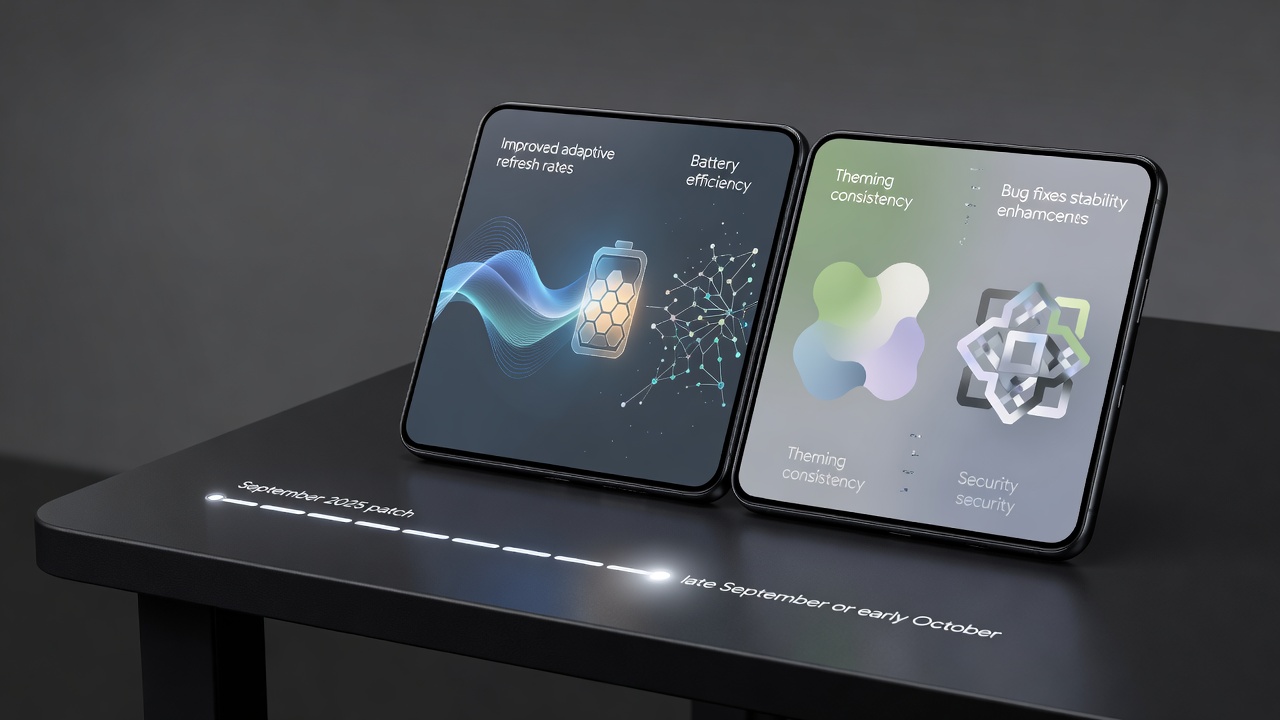
Google has released the sixth beta build for the Android 17 QPR1 update, marking another step forward in the quarterly platform release cycle that follows the main Android 17 launch. This latest test version arrives for Pixel devices enrolled in the beta program and brings a collection of fixes, stability improvements, and refinements that address issues reported in earlier previews.
The Android 17 QPR1 Beta 6 specifically targets Pixel 9, Pixel 9 Pro, Pixel 9 Pro XL, Pixel 9 Pro Fold, and the older Pixel 8 series. Users who have already installed previous beta builds should receive the new update over the air within the next few hours or days, depending on their carrier and device settings. The build carries the fingerprint ending in beta 6 and includes the September 2025 security patch level, aligning it with the latest monthly security requirements from Google.
According to details shared on Android Police, this beta focuses primarily on bug fixes rather than introducing flashy new features. That approach makes sense at this stage of the quarterly release schedule. QPR1 betas typically polish the foundation laid in the initial Android 17 release while preparing for the wider stable rollout expected in the coming weeks. Testers have reported smoother performance in several system areas, including app launching, notification handling, and display responsiveness after the update.
One area that appears improved involves the adaptive refresh rate system on supported Pixel phones. Some users previously encountered occasional stuttering when switching between 60Hz and higher refresh rates during normal use. Beta 6 seems to have reduced those transitions, leading to more consistent scrolling in apps like Chrome and Reddit. Battery life measurements shared by early testers also show modest gains in standby efficiency, though real-world results will vary based on individual usage patterns and installed applications.
The update continues Google’s efforts to refine the visual elements introduced with Android 17. Material You theming receives additional tweaks that make dynamic color extraction from wallpapers feel more accurate across different lighting conditions. Icon shapes and system fonts display with better consistency, especially when users switch between light and dark modes multiple times throughout the day. These changes may seem small on their own, but they contribute to an overall sense of refinement that beta testers appreciate.
Network connectivity receives attention in this build as well. Reports indicate better handling of 5G standalone connections on compatible carriers, with fewer drops when moving between coverage areas. Wi-Fi calling stability has also been enhanced, particularly for users on networks that require frequent handoffs between cellular and wireless connections. These improvements should benefit travelers and those living in areas with spotty coverage.
Security researchers following the beta program have identified several underlying fixes that strengthen the Android sandbox and permission model. While Google rarely discloses specific vulnerability details before the stable release, the inclusion of the September security patch suggests that known exploits have been addressed. The update also includes improvements to the Private Space feature, making it harder for unauthorized users to access hidden app containers even if they gain physical access to the device.
For developers, Beta 6 brings updated system APIs that should help applications better adapt to the changes introduced in Android 17. Several compatibility issues with popular apps have been resolved, including problems with certain banking applications and games that previously crashed on beta builds. The Android System Intelligence component has received updates that improve on-device machine learning performance for features like smart reply suggestions and call screening.
Users running the beta should be aware that this remains pre-release software. While stability has increased significantly since the first QPR1 preview, random restarts and app compatibility problems can still occur. Google recommends backing up important data before installing beta updates, even for incremental builds like this one. The company typically pauses new feature development at this stage to focus entirely on squashing remaining bugs before the stable channel receives the update.
The timing of Beta 6 suggests that Google aims to release the final QPR1 version to all supported Pixel devices before the end of the current quarter. Historical patterns show that the company usually needs two to three weeks after the final beta to complete internal testing and carrier certifications. This schedule would place the stable release sometime in late September or early October, assuming no major issues surface in the current testing round.
Pixel users not currently enrolled in the beta program can still access these improvements by joining through the Android Beta website. The program allows easy unenrollment later if someone decides the test software does not meet their needs. Google provides factory images and OTA files for manual installation as well, though most users prefer the automatic over-the-air method.
This beta also includes changes to the Quick Settings panel that make toggles easier to identify at a glance. The brightness slider now responds more precisely to touch input, and the media output selector displays connected devices with clearer labels. These interface adjustments reflect ongoing work to make the system more accessible to users with different visual abilities and preferences.
Camera performance sees incremental gains in Beta 6, particularly for night mode shots on the Pixel 9 series. Processing times have decreased slightly, and the resulting images show better detail retention in shadow areas. Video stabilization during walking shots appears smoother as well, though professional reviewers will likely conduct more thorough tests once the stable build arrives.
Accessibility features continue receiving attention across the quarterly updates. Beta 6 improves the TalkBack experience with more natural voice feedback when navigating complex app interfaces. The magnifier tool works more reliably with dynamic content that changes size or position on screen. These refinements demonstrate Google’s commitment to making Android work better for everyone, regardless of ability.
Enterprise users will find improved management capabilities in this build. The updated work profile system handles separation between personal and business applications with fewer synchronization delays. Device policy controllers can now enforce stricter rules around AI features that process sensitive company data. These changes should appeal to IT departments managing fleets of Pixel phones.
The broader Android 17 release introduced several headline features that QPR1 now polishes. The ability to run desktop-style apps in a windowed mode receives stability fixes that prevent crashes when resizing windows rapidly. The improved notification system handles grouped alerts from messaging apps with better organization. Even the At a Glance widget on the home screen shows more reliable weather and calendar information after this update.
Looking ahead, Google has already hinted at plans for QPR2, which typically arrives in December and focuses on holiday-season readiness. That update often brings more noticeable feature additions alongside the usual bug fixes. For now, Beta 6 serves as the final major test before QPR1 reaches millions of Pixel users worldwide.
Those interested in the technical details can examine the full changelog on the Android Beta website or through various community forums where testers share their findings. The Android Police article provides additional context about specific bug fixes that were mentioned in Google’s official release notes.
Performance metrics collected from devices running Beta 6 show encouraging trends. System animations maintain consistent frame rates even when multiple applications run simultaneously in the background. Memory management appears more efficient, with fewer instances of applications being killed unexpectedly during resource-intensive tasks. These gains may not be dramatic, but they accumulate to create a noticeably more pleasant daily experience.
The update process itself has been streamlined in recent beta cycles. Most users report successful installations without requiring a factory reset, though Google still suggests clearing the system cache after major updates. The download size hovers around 300MB for incremental patches, making it manageable even on limited data connections.
Beta participants play an essential role in helping Google identify edge cases that internal testing might miss. Issues involving specific combinations of installed apps, regional settings, or hardware configurations often surface only after thousands of devices receive the software. The feedback loop between testers and Google’s engineering teams has improved significantly over recent years, resulting in more polished final releases.
As development on Android 17 QPR1 nears completion, attention will gradually shift toward the next major platform version. Android 18 rumors have already begun circulating in technical communities, though Google maintains its usual policy of not commenting on future products. For Pixel owners, the immediate priority remains getting the current quarterly update into stable condition so that everyone can benefit from the accumulated improvements.
This Beta 6 release demonstrates the careful, iterative approach Google takes with its flagship operating system. Rather than rushing large changes that might introduce new problems, the company focuses on addressing feedback from real users and strengthening the foundation for future updates. The result should be a more dependable Android experience when the stable version reaches general availability in the coming weeks.


 WebProNews is an iEntry Publication