
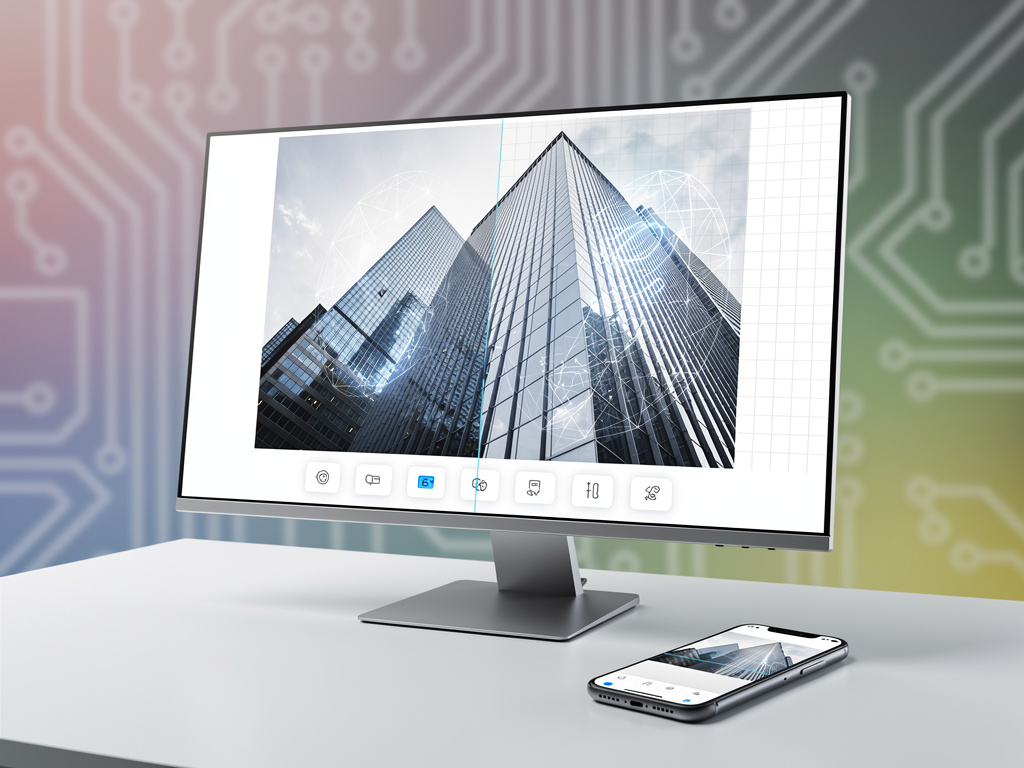
Reviving Pixels: The Triumphant Return of Google Photos’ Perspective Correction Tool
In the ever-evolving world of digital imaging, where artificial intelligence increasingly dictates the tools at our disposal, Google has made a move that resonates deeply with photography enthusiasts and professionals alike. The tech giant is resurrecting a cherished editing feature in its Google Photos app: the Perspective Correction tool. This development, quietly rolled out after its unexpected disappearance earlier this year, underscores a broader tension between user demands and the push toward AI-centric functionalities. For those who rely on precise manual adjustments, this comeback is more than a mere update—it’s a nod to the enduring value of human control in photo editing.
The Perspective Correction tool allows users to straighten skewed images, correcting distortions that occur when photographing buildings, artworks, or any subject from an angle. Its removal had sparked frustration among a vocal community of users who prized its simplicity and effectiveness. Now, as reported by Talk Android, Google is not only bringing it back but integrating it into an improved editing interface. This revival comes amid a flurry of updates to Google Photos, including AI-powered enhancements that have dominated recent headlines.
Industry insiders view this as a strategic pivot. Google Photos, which boasts over a billion users, has been aggressively incorporating generative AI features like Magic Eraser and Photo Unblur. Yet, the reintroduction of a manual tool like Perspective Correction suggests the company is listening to feedback from power users who prefer granular control over automated fixes. Sources indicate that the feature’s initial removal was part of a broader redesign aimed at streamlining the app’s interface, but user outcry—evident in forums and social media—prompted its swift return.
User Backlash and Google’s Responsive Strategy
The saga began earlier this year when eagle-eyed users noticed the tool’s absence following an app update. Complaints flooded online platforms, with many lamenting the loss of a feature that had been a staple since its introduction. On X (formerly Twitter), posts from tech enthusiasts highlighted the frustration, with one influential account noting how the tool’s disappearance disrupted workflows for professional photographers. This sentiment aligns with broader discussions on the platform, where users have praised Google Photos for its blend of accessibility and advanced capabilities but criticized abrupt changes.
Google’s decision to reinstate the feature isn’t isolated. It coincides with the rollout of the 2025 Recap, a year-end summary that uses AI to curate personalized photo highlights. As detailed in a post on Google’s official blog, the Recap includes new metrics like selfie counts and integration with tools such as CapCut for video editing. The Perspective Correction’s return fits into this narrative of enhancement, positioning it within a redesigned editing layout that promises smoother navigation and more intuitive controls.
For industry observers, this move reflects Google’s balancing act in a competitive market. Rivals like Apple’s Photos app and Adobe Lightroom offer robust manual editing options, and Google’s initial omission risked alienating a segment of its user base. By crawling deeper into user data and feedback mechanisms, Google appears to be refining its approach, ensuring that AI innovations complement rather than replace traditional tools.
AI Integration Meets Manual Precision
Delving into the technical underpinnings, the revived Perspective Correction tool now benefits from subtle AI assistance, though it remains fundamentally manual. Users can drag guidelines to adjust horizontal and vertical perspectives, with the app suggesting optimal alignments based on image analysis. This hybrid approach, as explored in coverage from Android Police, exemplifies how Google is weaving AI into legacy features without overshadowing them.
The broader ecosystem of Google Photos has seen significant evolution in 2025. The introduction of the Remix feature, which transforms photos into stylized cartoons, has expanded to more countries, according to 9to5Google. This AI-driven tool allows for creative manipulations, but it’s the manual corrections like Perspective that ground the app in practicality. Insiders note that Google’s Gemini AI model plays a role in enhancing these features, using machine learning to predict user intentions and refine outputs.
Comparatively, the tool’s comeback highlights a shift from earlier iterations. When first launched, Perspective Correction was part of a suite aimed at casual users, but its refinement now caters to pros who demand pixel-perfect results. Data from app analytics suggests that usage spikes occur in scenarios like real estate photography or architectural documentation, where distortion correction is crucial.
Market Implications and Competitive Dynamics
The reinstatement also speaks to larger trends in the photo management sector. With storage limits and privacy concerns ever-present, Google Photos’ free tier remains a draw, but premium features via Google One subscriptions add layers of value. The 2025 Recap, as covered by The Times of India, introduces expanded stats and sharing options, potentially increasing user engagement and retention.
Competitively, this positions Google against players like Microsoft OneDrive and Dropbox, which integrate photo tools but lack the same AI depth. Industry reports indicate that Google’s focus on seamless cross-device editing—now bolstered by the returned tool—could drive adoption among creative professionals. Moreover, integrations with third-party apps like CapCut, as mentioned in various X posts, extend the app’s utility beyond static images into dynamic video content.
From a business perspective, these updates align with Google’s revenue strategies. While the core app is free, enhancements encourage upgrades to paid storage, where advanced editing tools become indispensable. Analysts project that such features could contribute to a uptick in Google One subscribers, especially as users seek more control over their digital archives in an AI-dominated era.
Evolution of Editing Interfaces
Examining the redesigned editing layout, the Perspective Correction tool now sits prominently in the adjustments menu, accessible with fewer taps. This change addresses previous criticisms of a cluttered interface, making it more efficient for on-the-go edits. According to insights from Android Headlines, the update includes new style choices for Remix, but the manual perspective fix stands out for its precision.
User testimonials on X underscore the tool’s impact, with photographers sharing before-and-after examples that demonstrate its effectiveness in salvaging otherwise flawed shots. This community-driven validation has likely influenced Google’s roadmap, as social media buzz often precedes official announcements.
Technologically, the tool leverages device hardware acceleration for real-time previews, ensuring smooth performance even on mid-range smartphones. For insiders, this represents Google’s commitment to optimizing software for diverse hardware, a challenge in the fragmented Android ecosystem.
Future Trajectories in Photo Technology
Looking ahead, the Perspective Correction’s return may foreshadow more hybrid features that blend AI with manual inputs. Google’s ongoing experiments with generative fill and object removal suggest a future where users can toggle between automated and precise edits seamlessly. As noted in a TechCrunch article, the integration of Gemini AI in the 2025 Recap hints at smarter curation, potentially extending to editing tools.
Challenges remain, however. Privacy advocates question the data implications of AI features, as photo analysis requires cloud processing. Google has addressed this with on-device options for some tools, but the balance is delicate.
For developers and app designers, this episode offers lessons in user-centric iteration. By responding to feedback, Google not only retains loyalty but also innovates in ways that resonate with core audiences.
Broader Innovations and User Empowerment
Beyond perspective fixes, Google Photos’ 2025 updates include a revamped video editor with new templates and music tools, as reported by The Verge. These additions empower users to create polished content without external software, democratizing professional-grade editing.
Industry insiders speculate that such enhancements could integrate with Google’s broader ecosystem, like Workspace or YouTube, fostering a unified creative suite. The Remix feature’s global rollout, for instance, opens doors for cultural adaptations in editing styles.
Ultimately, the Perspective Correction tool’s revival symbolizes a maturing approach to app development, where user voices shape technological progress.
Sustaining Momentum in Digital Imaging
As Google continues to refine Photos, the emphasis on reliable tools like this one ensures the app remains a go-to for both casual and serious users. Partnerships, such as with CapCut, expand creative possibilities, while manual features provide a safety net against AI overreach.
Feedback loops from platforms like X will likely guide future updates, with posts already buzzing about potential enhancements. For now, the tool’s return marks a win for precision in an automated age.
In reflecting on these developments, it’s clear Google is navigating the complexities of innovation with a keen eye on user satisfaction, setting the stage for even more refined tools in the years ahead.


 WebProNews is an iEntry Publication