
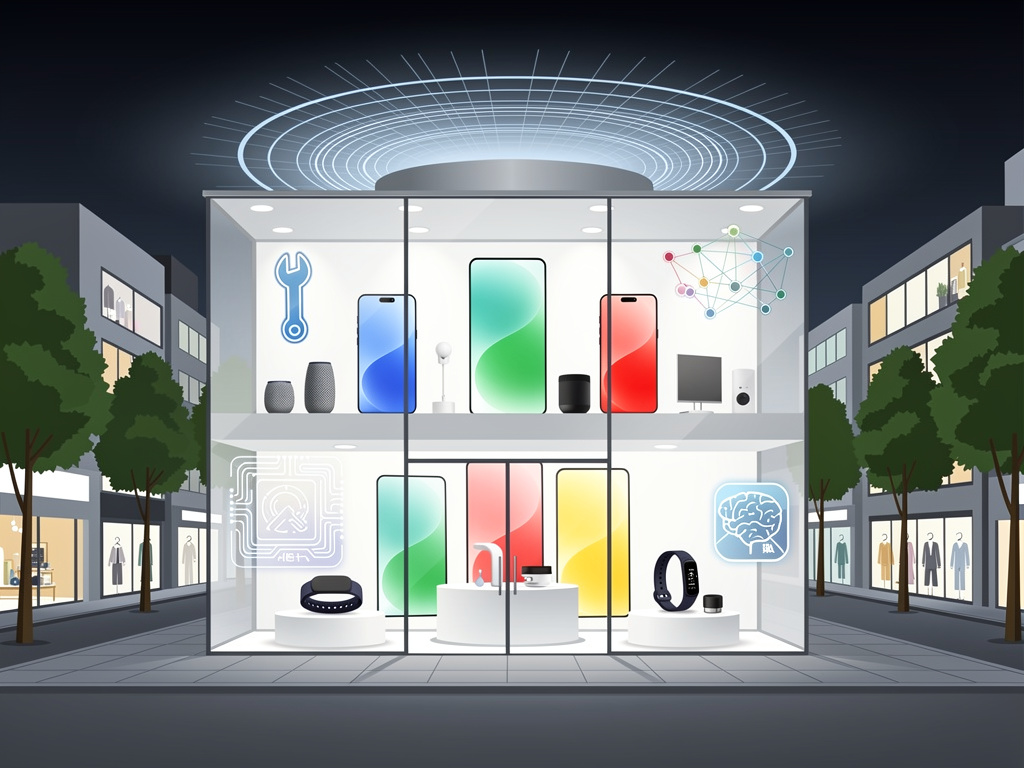
Google will open its first company-owned flagship store outside the United States this summer. The Google Store Omotesando arrives in one of Tokyo’s most fashionable districts on June 1, 2026. And the timing feels deliberate.
Omotesando draws crowds with its tree-lined streets, luxury boutiques and constant foot traffic. Google chose the spot inside Tokyu Plaza Omotesando ‘Omokado’ for its first full retail outpost abroad. The move builds on decades of presence in Japan. The company opened its first international office there in 2001. That history matters here.
Visitors will handle the latest Pixel smartphones. They can examine Nest smart-home devices, Fitbit wearables and assorted accessories. Staff stand ready to fix Pixel phones on site. They will handle setup questions and troubleshoot problems much like technicians at an Apple Genius Bar. Workshops will fill the calendar once doors open.
But the store offers more than products and repairs. Google plans to showcase its latest artificial intelligence tools in real time. Customers can test features, see services demonstrated and connect directly with the brand. The official announcement highlights delivering these AI experiences to a Japanese user base that has backed the company for years. Google Blog
Engadget first reported the news hours after the announcement broke. The outlet noted the parallel between this retail debut and Google’s earliest steps in Japan. “According to Google, the decision to open a store in Tokyo mirrors when the company opened its first international office in Japan,” wrote Sarah Fielding. Engadget
Dataconomy added perspective on Google’s prior retail experiments. The company once operated a store-within-a-store at Best Buy locations in Canada. A shop-in-shop at London’s Currys closed years ago. This Tokyo location marks the first complete flagship format abroad. It reflects growing retail ambitions at a time when many tech firms have scaled back physical footprints after the pandemic. Microsoft once ran dozens of stores. Most shut down. Dataconomy
Japan represents fertile ground. Smartphone users there show strong interest in premium devices. The Pixel line has gained traction. AI features tied to Gemini and other tools could resonate in a market that prizes innovation. Google has invested heavily in the country. It maintains major offices in Shibuya. It has trained millions through digital skills programs. The new store continues that pattern of commitment.
Physical retail has changed. Online sales dominate. Yet flagship locations still deliver something digital channels cannot match. Customers touch the hardware. They see how devices work together. They speak with knowledgeable staff. They leave with immediate help for issues that might otherwise require shipping a device away.
Google’s US stores already follow this model. The Tokyo version adapts it to local tastes. Expect clean design, interactive displays and emphasis on integration between phone, home devices and AI services. Details on exact square footage or specific architectural flourishes remain limited for now. The focus stays on experience over spectacle.
Competitors watch closely. Apple operates numerous stores in Japan and enjoys strong loyalty. Samsung maintains a visible presence. Microsoft shifted strategy away from consumer retail years ago. Google’s entry adds another technology brand fighting for attention on Tokyo streets already lined with flagship concepts from fashion houses, camera makers and gaming companies.
The June 1 opening comes at an interesting moment. Global supply chains have stabilized. Consumer spending in Japan shows resilience in premium segments. Interest in AI runs high across demographics. Google positions the store as a place to discover how its products solve everyday problems while showcasing forward-looking technology.
Reactions on X poured in quickly after the announcement. Users posted images of the planned location. Some expressed excitement about hands-on Pixel access. Others speculated on exclusive Japan-only merchandise or special launch events. The buzz feels genuine in a market where gadget culture runs deep.
Longer term this store could serve as a template. Success in Omotesando might encourage additional international locations. Failure would likely slow those plans. For now Google keeps expectations measured. The announcement stays focused on Japan and the immediate summer opening.
Retail for technology companies carries risks. Foot traffic does not guarantee sales. High rents in districts like Omotesando demand strong conversion rates. Yet the location offers built-in visibility. Tourists and locals alike pass through daily. The area already hosts other major brand experiences.
Google brings something distinct. Its product lineup spans phones, watches, earbuds, smart displays and AI software. Few competitors match that breadth under one roof. The ability to repair devices on site adds practical value. Workshops could build community and loyalty in ways advertising cannot.
The decision also signals confidence. While some retailers contract, Google expands its direct-to-consumer touchpoints. It learned from past experiments. This time the store stands alone as a flagship. The investment reflects belief that physical presence still drives discovery and trust.
Industry observers note the timing aligns with broader hardware refreshes. New Pixel models typically launch in fall. A summer store opening positions Google to capture early interest and provide education before the next wave of devices arrives. Smart timing. Calculated.
Japan’s tech consumers tend to research thoroughly before buying. They value after-sales support. They appreciate thoughtful design. The Google Store Omotesando aims to check all those boxes. Whether it becomes a destination like certain fashion flagships or remains a niche stop will unfold over the next year.
One thing looks clear. Google no longer treats retail as an afterthought. The Tokyo store represents a serious bet on direct customer relationships in one of its most important markets. The company that began with search now wants consumers to experience its full hardware and AI vision in person. In Omotesando this summer that vision gets a permanent home.


 WebProNews is an iEntry Publication