
Pixel’s Secret Sauce: Why Google’s Exclusive Phone Tricks Are the Envy of the Android World
In the competitive realm of smartphones, Google’s Pixel lineup has carved out a niche not just through hardware but via software innovations that set it apart from the pack. These features, often powered by advanced AI and tight integration with Google’s ecosystem, offer users experiences that feel magical—yet they’re frustratingly limited to Pixel devices. As Android evolves, many insiders wonder why these capabilities haven’t spread to other manufacturers. Drawing from recent updates and expert analyses, this deep dive explores the standout Pixel exclusives that could transform the broader Android experience if adopted more widely.
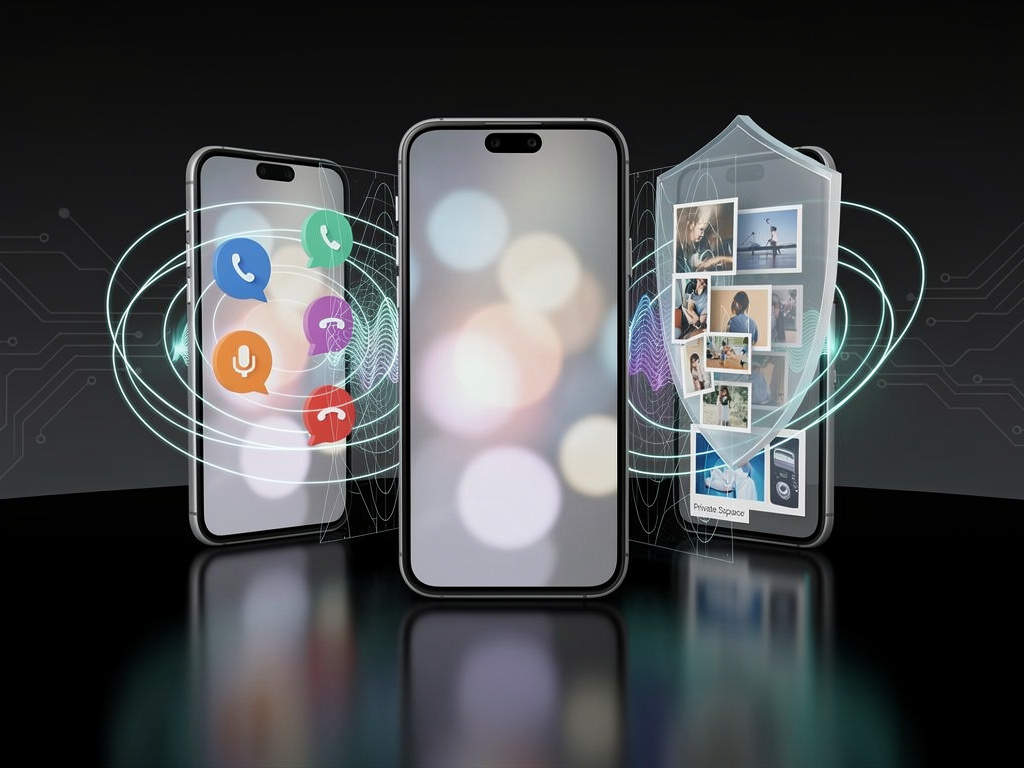
One prime example is Call Screen, a feature that lets your phone handle incoming calls by transcribing conversations in real-time and allowing you to decide whether to pick up. It’s particularly useful for dodging spam or telemarketers, with the phone’s AI politely engaging the caller while you monitor via text. This isn’t just convenient; it’s a game-changer for privacy in an era of incessant robocalls. According to a recent piece in Android Police, Call Screen exemplifies how Pixel turns everyday annoyances into seamless interactions, yet rivals like Samsung or OnePlus haven’t replicated it fully, leaving users on those devices to rely on less sophisticated alternatives.
Beyond calls, Pixel’s Now Playing feature automatically identifies songs playing in the background without needing an app or internet connection. It runs entirely on-device, displaying the track info on your lock screen. This passive listening capability, powered by a vast offline music database, feels like having a personal DJ curator at all times. Industry observers note that while some apps mimic this, none integrate it as natively as Pixel does, highlighting Google’s edge in on-device AI processing.
The AI Edge in Everyday Photography
Pixel’s photography prowess extends far beyond its camera hardware, thanks to exclusives like Magic Editor and Best Take. Magic Editor uses generative AI to let users manipulate photos effortlessly—removing unwanted elements, repositioning subjects, or even filling in backgrounds with realistic details. It’s like having a professional photo editor in your pocket, and it’s evolved rapidly with each Pixel generation.
Best Take, another gem, combines multiple group shots to create the perfect image where everyone looks their best, swapping faces from different photos seamlessly. This addresses the common frustration of imperfect group photos, making it invaluable for social users. As detailed in a Forbes article titled “Google’s Unbeatable Pixel Updates—All Other Phones Left Behind” at Forbes, these features leverage Google’s Tensor chips for on-device processing, ensuring privacy and speed that cloud-dependent alternatives can’t match.
Yet, these tools remain Pixel-only, prompting questions about ecosystem fragmentation. Why hasn’t Google licensed this tech to partners? Insiders speculate it’s a deliberate strategy to boost Pixel sales, but broader adoption could elevate Android’s overall appeal against iOS, where similar features like Apple’s Image Playground are gaining traction.
Privacy and Security Innovations That Stand Out
Privacy is another arena where Pixel shines with features like Private Space, which creates a secure, hidden area for apps and files, protected by separate authentication. This is ideal for users juggling work and personal data or those concerned about device sharing. It’s more robust than standard app lockers, integrating deeply with Android’s security framework.
Adding to this, Pixel’s Scam Detection uses AI to listen for scam patterns during calls, alerting users in real-time. Posts on X from tech enthusiasts, such as those highlighting recent Pixel Drops, praise this for its proactive protection against fraud, a growing concern in digital communications. Combined with features like the built-in VPN that was a Pixel first, as noted in historical Made by Google announcements, these tools position Pixel as a leader in user safety.
However, the exclusivity raises barriers. A post from X user Mishaal Rahman, a noted Android expert, detailed discoveries like Private Space and adaptive vibration, underscoring how these innovations start on Pixel before potentially trickling down. Broader implementation could standardize privacy across Android, reducing vulnerabilities in a fragmented market.
Seamless Integration Across Devices
Pixel’s ecosystem integration is exemplified by features like At a Glance, which provides contextual info on your home screen—weather, calendar events, or even package tracking—without manual input. It’s powered by Google’s AI, pulling from your apps intelligently. This level of proactivity is rare outside Pixel, where users often resort to widgets or third-party apps.
Another standout is the seamless handoff between Pixel phones, watches, and tablets. For instance, glanceable maps on Pixel Watch sync directions from your phone effortlessly, as covered in Google’s own blog post on the September 2025 Pixel Drop at Google Blog. This cross-device harmony enhances usability, making Pixel feel like a cohesive family of products rather than isolated gadgets.
Industry insiders point out that while Android as a whole supports multi-device features, Pixel’s refinements—like automatic ear protection on Pixel Buds—set a higher bar. A recent Android Authority report on Android 16 QPR2 updates at Android Authority highlights new customization options rolling out first to Pixel, fueling debates on whether this gives Google an unfair advantage.
Evolving User Interfaces and Accessibility
The introduction of Material 3 Expressive in recent Pixel Drops brings a youthful, dynamic design language to interfaces, making animations and layouts more intuitive. As reported in The Verge’s coverage of the September 2025 rollout at The Verge, this update extends to older models like the Pixel 6, breathing new life into aging hardware.
Accessibility features also get a boost with Pixel’s Live Caption, which transcribes audio in real-time across apps, and the Recorder app’s advanced transcription and summarization. These tools, initially Pixel-exclusive, have slowly influenced broader Android, but full parity remains elusive. X posts from Pixel UI by Google emphasize expansions like Voice Translate and enhanced Call Notes, showing ongoing innovation.
For users with disabilities, features like adaptive vibration—adjusting intensity based on environment—demonstrate thoughtful design. Yet, as Android Police notes in their analysis, withholding these from the wider Android family limits their impact, potentially stifling inclusive progress.
The Business of Exclusivity
Google’s strategy with Pixel exclusives isn’t just about user delight; it’s a calculated business move. By debuting features on Pixel, Google tests them in a controlled environment before wider release, as seen with the November 2025 Pixel Drop detailed at Google Blog (November update). This approach refines AI models with real-world data, strengthening Google’s position.
However, critics argue it fragments Android, where manufacturers like Samsung add their own layers, leading to inconsistency. A PhoneArena piece on Google’s update plan at PhoneArena suggests this could drive more users to Pixel, pressuring competitors.
From an insider perspective, licensing these features could generate revenue for Google while unifying Android’s strengths. Posts on X from users like Tsarathustra highlight buzz around Call Notes, which transcribes and summarizes calls—a feature that could become standard if shared.
Pushing Boundaries with AI and Beyond
Looking ahead, Pixel’s AI-driven features like Magic Cue for smarter calls and expressive themes point to a future where phones anticipate needs. The December 2025 Pixel Drop, as per Google’s announcement at Google Blog (December), introduces Gemini updates and better device synergy, keeping Pixel ahead.
Emergency features, such as live video sharing with dispatchers in select regions, underscore Pixel’s role in safety innovation, as shared in recent X posts from Pixel UI by Google. This could set precedents for Android-wide emergency tech.
Yet, the real potential lies in democratization. If features like app archiving and taskbar pinning, discovered by experts like Mishaal Rahman on X, spread, Android could challenge iOS more effectively in user-centric design.
Challenges and Future Prospects
Adopting Pixel features broadly faces hurdles, including hardware dependencies on Tensor chips for optimal performance. Rivals might need to invest in similar silicon, complicating partnerships.
Regulatory pressures could also play a role, with antitrust scrutiny on Google potentially forcing more openness. As 9to5Google’s December 2025 System Updates report at 9to5Google indicates, incremental changes are coming, but exclusives persist.
For industry players, the lesson is clear: innovation thrives when shared, yet Google’s hold on Pixel’s “secret sauce” maintains its allure. As Android 16 evolves, per Google’s blog at Google Blog (Android 16), watch for signs of broader integration that could redefine smartphone experiences.
Voices from the Community and Beyond
Tech communities on X buzz with envy over Pixel’s edge, with users lamenting the lack of features like edge-to-edge enforcement on non-Pixel devices. This sentiment echoes in forums, where discussions praise Pixel’s car crash detection and unblur photo tools as firsts.
Historical context from Made by Google’s posts reminds us of Pixel’s pioneering spirit, from Night Sight to built-in VPNs. As CNET’s best Android phones roundup at CNET shows, Pixel consistently ranks high, thanks to these exclusives.
Ultimately, while Pixel’s features captivate, their exclusivity sparks a broader conversation on Android’s unity. If Google loosens its grip, the entire platform could benefit, creating a more innovative, user-friendly world for all.


 WebProNews is an iEntry Publication