
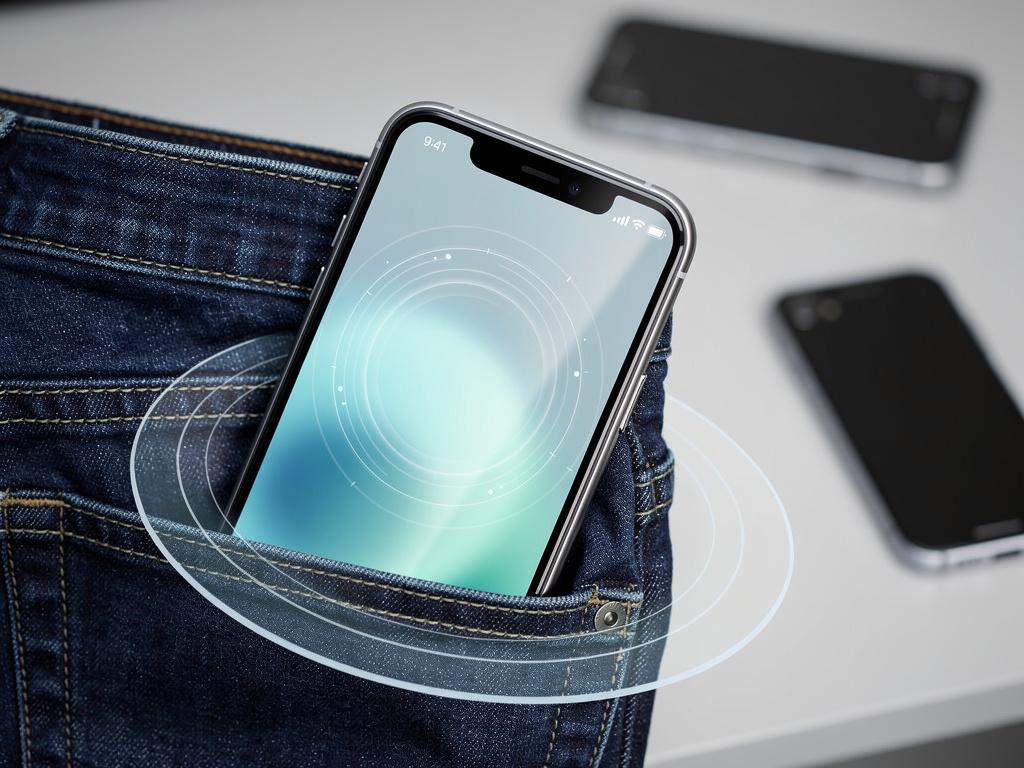
For years, Google Pixel smartphone owners have grappled with a persistent nuisance: accidental touches and unintended calls triggered when their devices are tucked away in pockets or bags. This issue, often dubbed “pocket dialing,” has plagued users despite the Pixel lineup’s reputation for clean software and innovative features. Now, after prolonged complaints and mounting frustration, Google appears poised to address it with a software update introducing a feature akin to “pocket mode,” a safeguard already common on rival devices. Drawing from recent reports, this development marks a significant step in enhancing user experience for one of Android’s flagship lines.
The problem isn’t new. Pixel users have reported instances where sensitive touchscreens register phantom inputs from fabric or body heat, leading to everything from errant app launches to embarrassing emergency calls. Forums and issue trackers are rife with anecdotes, some dating back to early Pixel models. Google, known for its data-driven approach to product improvements, has finally acknowledged the scale of the grievance through its official channels.
In a recent update to an longstanding issue tracker thread, a Google representative confirmed that a fix is in the works, labeling the status as “fixed” while noting it will roll out in a forthcoming software release. This comes after years of user feedback, highlighting how even tech giants can lag in addressing seemingly minor quality-of-life issues.
The Evolution of Touch Sensitivity in Smartphones
To understand the significance of this update, it’s essential to trace the evolution of touchscreen technology in mobile devices. Modern smartphones, including Pixels, employ capacitive touchscreens that detect electrical changes from human skin. However, factors like moisture, fabric friction, or even slight pressure can mimic these inputs, causing false positives. Google’s Pixels, with their emphasis on fluid interfaces and always-on displays, have been particularly susceptible.
Competitors have long mitigated this through dedicated modes. Samsung’s Galaxy series, for instance, includes a “Pocket mode” that uses sensors like proximity detectors and accelerometers to disable touch input when the phone is covered or in motion. Similarly, brands like OnePlus and Xiaomi integrate algorithms that analyze environmental data to prevent accidental activations. Pixels, by contrast, have relied on more rudimentary protections, such as screen timeouts or manual locks, which users often find inadequate.
The absence of such a feature on Pixels has not gone unnoticed. A report from Android Police details how users have resorted to workarounds, like enabling always-locked screens or third-party apps, underscoring the demand for a native solution. Google’s delay in implementing this could stem from its focus on AI-driven features, but the recent confirmation suggests a shift toward holistic usability enhancements.
User Frustrations and Community Backlash
Diving deeper into user sentiment, online communities paint a vivid picture of the issue’s impact. On platforms like Reddit, threads from as early as 2024 lament how Pixels in gym shorts or tight pockets attempt unauthorized unlocks or dial contacts. One post on the r/pixel_phones subreddit describes a user’s device repeatedly triggering the password screen while walking, leading to drained batteries and privacy concerns.
This isn’t isolated feedback. An analysis of Google’s Issue Tracker reveals a thread initiated in January 2024 that amassed hundreds of comments, with users pleading for a “pocket mode” equivalent. The thread’s recent update, where Google marked the issue as resolved pending release, has sparked optimism but also skepticism about timelines. As noted in coverage from PiunikaWeb, the fix was absent from the December 2025 update, leaving users to await future patches.
Beyond anecdotes, the problem has tangible consequences. Accidental emergency calls can tie up critical services, while unintended app interactions risk data exposure. For professionals relying on Pixels for work—such as journalists or executives—these glitches disrupt productivity, eroding trust in the device’s reliability.
Technical Underpinnings of the Upcoming Fix
At its core, the anticipated pocket mode for Pixels will likely leverage the device’s existing sensor array, including proximity sensors, gyroscopes, and ambient light detectors. By combining these with machine learning algorithms, the phone could intelligently discern when it’s in a pocket versus being actively used. This approach mirrors advancements in adaptive touch sensitivity, as seen in the Pixel 9 series, where wet-finger detection was refined for better accuracy.
Google’s confirmation aligns with broader Android ecosystem trends. Posts on X (formerly Twitter) from tech insiders, such as those highlighting similar features in other brands, indicate growing user expectations for seamless integration. For instance, discussions emphasize how AI can predict and prevent false touches by analyzing usage patterns, a capability Google has pioneered in other areas like gesture recognition on Pixel Watches.
However, implementing this isn’t without challenges. Ensuring the mode doesn’t overly restrict legitimate interactions—such as quick glances at notifications—requires fine-tuning. Reports suggest the feature might debut in early 2026, potentially as part of Android’s quarterly feature drops, allowing Google to test it iteratively.
Industry Implications and Competitive Pressures
The introduction of pocket mode positions Google to close a notable gap with rivals, potentially boosting Pixel’s market appeal. In a sector where user retention hinges on subtle conveniences, this could help stem defections to brands like Samsung or Apple, which have long offered robust accidental touch prevention. Analysts point out that while Pixels excel in photography and software purity, everyday annoyances like pocket dialing have been a sticking point in reviews and surveys.
From an industry insider’s perspective, this move reflects Google’s responsive engineering culture. As detailed in a piece from WebProNews, the update aims to enhance loyalty by addressing long-standing complaints, possibly rolling out first to newer models like the Pixel 9 and 10 before backporting to older devices. This staggered approach minimizes risks, such as battery drain from constant sensor monitoring.
Moreover, it underscores the role of community-driven development in tech. User forums and social media have amplified the issue, pressuring Google to act. X posts from influencers and everyday users alike celebrate the news, with some speculating on integrations with other features, like adaptive vibration for contextual alerts.
Potential Rollout and User Expectations
Looking ahead, the timeline for this feature remains a focal point. Google has hinted at a “future update,” but specifics are scarce. Insights from Phandroid suggest it could arrive in early 2026, aligning with Pixel’s update cadence. This would coincide with broader Android enhancements, potentially including refinements to always-on displays or gesture controls.
For users, the key will be ease of activation. Ideally, the mode would toggle automatically based on sensor data, with customizable settings for sensitivity. Early adopters might encounter beta versions through Google’s feedback programs, allowing for real-world testing. This iterative process could refine the feature, ensuring it adapts to diverse scenarios, from casual walks to vigorous activities.
Critics, however, warn that if the implementation falls short—say, by failing to detect certain fabrics or movements—it could backfire, amplifying dissatisfaction. Google’s track record with updates, such as the recent AI-powered gestures for Pixel Watch detailed in its official blog, bodes well for a polished release.
Broader Context in Smartphone Innovation
This development fits into a larger narrative of smartphone maturation, where incremental improvements often outshine flashy hardware leaps. As devices become extensions of daily life, preventing minor irritations like accidental touches elevates the overall experience. Google’s pivot here may inspire similar updates across Android manufacturers, fostering a more standardized approach to usability.
Industry observers note parallels with past fixes, such as Apple’s introduction of water resistance or Samsung’s edge-screen optimizations. For Pixels, this could be a catalyst for renewed enthusiasm, especially amid competition from emerging players like Nothing or foldable specialists.
Ultimately, the pocket mode saga illustrates the power of persistent user advocacy in shaping product roadmaps. As Google prepares to deploy this fix, it reaffirms a commitment to refining its ecosystem, one touch at a time.
Lessons for Tech Giants and Future Directions
Reflecting on this, tech companies must balance innovation with foundational reliability. Google’s delay, while understandable given its AI priorities, highlights the risks of overlooking user pain points. Insiders suggest this could prompt internal reviews of feedback mechanisms, ensuring quicker responses to widespread issues.
Looking forward, expansions of this feature might include integration with wearables, like syncing with Pixel Watches for enhanced context awareness. X discussions speculate on AI-driven predictions, where the phone learns from user habits to preempt touches even more effectively.
In the end, this update not only resolves a longstanding Pixel quirk but also sets a precedent for proactive software evolution in the Android space. As users await its arrival, the anticipation underscores how small changes can make a big difference in device satisfaction.


 WebProNews is an iEntry Publication