
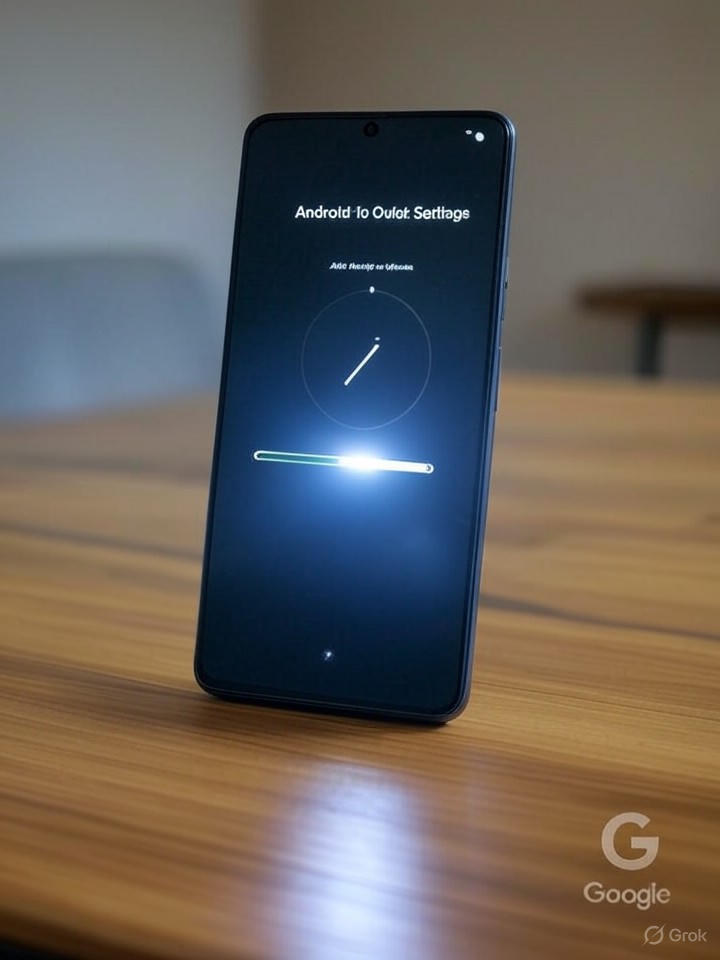
In the ever-evolving world of smartphone features, Google is poised to address a long-standing gap in its Pixel lineup by introducing adjustable flashlight brightness, a capability that has been standard on rival devices for years. According to a recent report from TechRadar, this update, spotted in the latest Android preview, will allow Pixel users to fine-tune the intensity of their phone’s LED flash via a simple slider in the Quick Settings panel. For industry observers, this move signals Google’s ongoing efforts to refine user experience in subtle yet practical ways, potentially closing the parity gap with Apple’s iPhone ecosystem.
The feature’s arrival comes after persistent user feedback highlighting the limitations of the Pixel’s fixed-brightness flashlight, which often proved either too dim for detailed tasks or overly harsh in low-light scenarios. Previously, Pixel owners resorted to third-party apps to achieve similar control, a workaround that introduced security risks and inconsistent performance. As Android Authority notes in its coverage, this native integration could transform everyday utility, from navigating dark rooms to signaling in emergencies, without relying on external software.
A Long-Awaited Catch-Up in Mobile Utility
This development is particularly noteworthy given that competitors like Apple and Samsung have offered flashlight brightness adjustments for several generations. On iPhones, users have enjoyed this since iOS updates over a decade ago, allowing seamless dimming for tasks such as reading in bed without disturbing others. Samsung’s Galaxy series, meanwhile, integrated similar controls through its One UI interface, enhancing the flashlight’s versatility in professional settings like photography or fieldwork. Google’s delay, as detailed in Android Police, underscores a broader pattern where Pixel devices, despite their software purity, have lagged in hardware-software synergies that rivals exploit more aggressively.
For tech insiders, the technical underpinnings reveal Google’s methodical approach to Android’s evolution. The feature appears in the Android Canary build, an early testing ground for developers, suggesting it’s tied to the upcoming Android 16 release. Code snippets uncovered by enthusiasts indicate a straightforward API adjustment that modulates the LED’s power output, potentially extending battery life by avoiding full-intensity usage. This isn’t just about convenience; it reflects Google’s push toward more granular hardware controls, aligning with trends in adaptive interfaces seen in wearables and IoT devices.
Implications for User Adoption and Market Dynamics
Industry analysts anticipate this update will boost Pixel’s appeal among power users who prioritize customization, especially as Google expands its hardware lineup with models like the Pixel 9 series. Earlier critiques, such as those from Android Police on the Pixel 9’s dim default flashlight, highlighted how such oversights can frustrate loyalists. By incorporating this, Google not only matches iPhone’s finesse but also positions Android as a more flexible platform, potentially influencing app developers to build complementary tools around variable lighting.
Moreover, the timing aligns with broader ecosystem enhancements, including rumored vibration customizations leaked in TechRadar reports earlier this year. These incremental improvements could help Pixel devices capture a larger share of the premium market, where subtle features often sway enterprise buyers and creative professionals. As Sammy Fans observes, the slider’s debut in Android 16 previews marks a practical fix for a feature Pixel users have clamored for, potentially reducing reliance on hacks and elevating the overall polish of Google’s mobile OS.
Looking Ahead: Innovation or Iteration?
Yet, questions remain about why this seemingly basic enhancement took so long, with some insiders speculating internal priorities favored AI-driven features over hardware tweaks. Publications like Android Authority point out that Samsung and Apple implemented this years ago, raising debates on Google’s innovation pace. For the industry, this could foreshadow more user-centric updates, such as enhanced camera controls teased in TechRadar, blending simplicity with sophistication.
Ultimately, while adjustable flashlight brightness may seem minor, it exemplifies how small refinements can significantly impact daily usability. As Google rolls this out, likely in a stable Android update by late 2025, it reinforces the Pixel’s role as a thoughtful alternative in a competitive field, where every lumen of control counts for discerning users.


 WebProNews is an iEntry Publication