
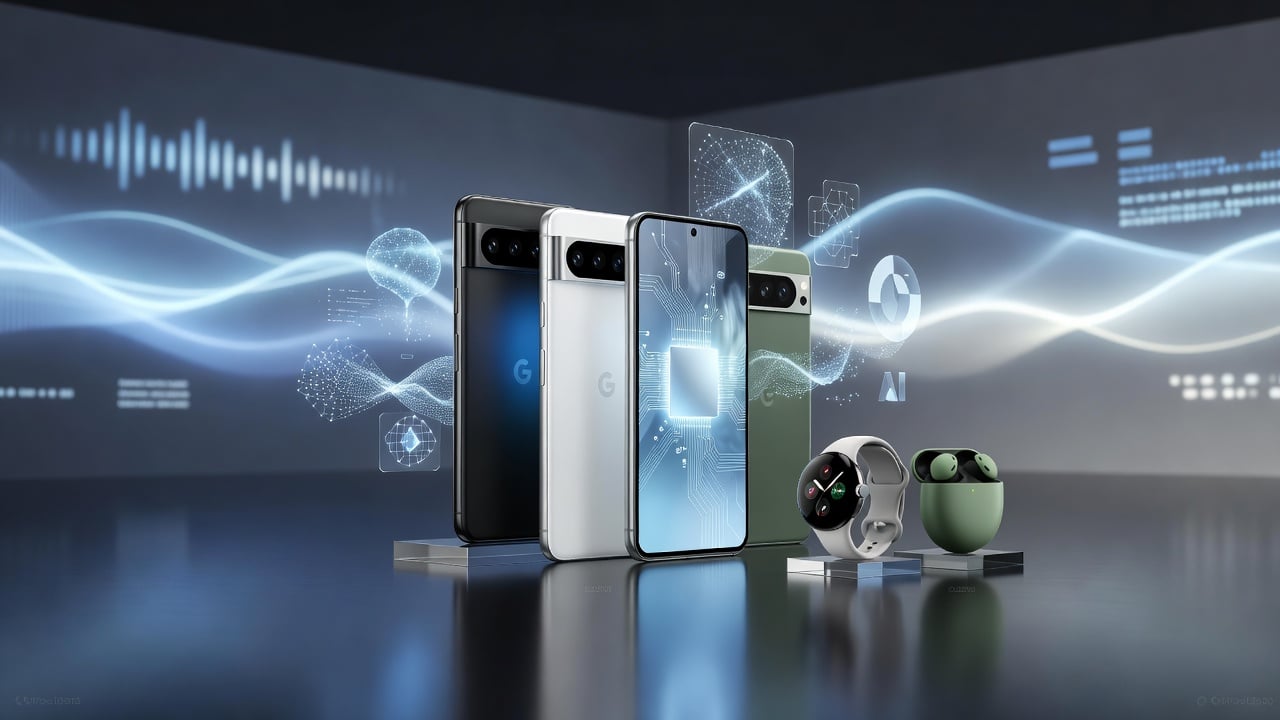
Google has set the stage for its next major smartphone release with the official confirmation that the Pixel 11 series will arrive in August. The company sent out media invitations for an event scheduled on August 13, where it will unveil the new flagships along with several other devices. This announcement marks the earliest point in the calendar year that Google has ever revealed its premium phones, shifting away from the traditional October window that the lineup followed for several generations.
The invitation itself carries a simple message that reads “It’s almost time,” accompanied by a graphic showing what appears to be the outline of the new phones against a colorful background. Industry observers immediately connected the dots, recognizing the timing aligns with previous leaks that pointed to a summer launch. According to Android Police, the move represents a deliberate change in strategy that could help Google gain an advantage over competitors who typically release their flagship devices in the fall.
One of the most noticeable changes with the Pixel 11 series involves the design language. Leaked images and hands-on videos suggest the phones will adopt a more rounded aesthetic compared to the boxy Pixel 9 and Pixel 10 models. The camera bar, a signature element that has defined Pixel phones for years, appears to receive a refinement rather than a complete overhaul. Instead of the prominent visor that protrudes significantly from the back, the Pixel 11 may feature a flatter camera module that blends more smoothly with the rear panel while maintaining the horizontal layout that enthusiasts have come to recognize.
Display technology stands out as another area of substantial improvement. Reports indicate that the Pixel 11 Pro and Pro XL will use brighter panels capable of reaching peak brightness levels that compete directly with the best screens from Samsung and Apple. The standard Pixel 11 model might also benefit from these upgrades, potentially featuring a 120Hz refresh rate across the entire range rather than reserving the higher refresh rate for the more expensive variants. Under the glass, all three models are expected to use versions of Google’s Tensor G5 chipset, which represents the first time the company has manufactured its mobile processor using a more advanced 3nm process. This manufacturing change should deliver better power efficiency and improved thermal performance compared to previous Tensor chips that sometimes struggled with sustained performance during intensive tasks.
The Tensor G5 brings meaningful upgrades to on-device artificial intelligence capabilities. Google has invested heavily in making its phones smarter without relying exclusively on cloud processing, and the new hardware should accelerate features like real-time language translation, advanced photo editing tools, and more natural conversational abilities with the Assistant. Early benchmarks shared by tech reviewers suggest the chip narrows the performance gap with Qualcomm’s Snapdragon 8 series, though it may still trail slightly in raw graphical power. Battery life could see noticeable gains thanks to the efficiency improvements, with the larger Pro XL model potentially lasting well beyond a full day of heavy use.
Camera systems remain the heart of the Pixel experience, and the Pixel 11 series appears poised to extend Google’s reputation for computational photography. The main sensor on the Pro models may increase in resolution while maintaining the excellent dynamic range and color science that users expect. Video recording capabilities could receive particular attention, with rumors suggesting better stabilization and improved low-light performance that closes the gap with devices from Apple and Sony. The front-facing camera might also see upgrades, including higher resolution and better autofocus for video calls and selfies.
Software represents one of the strongest arguments for choosing a Pixel device. The Pixel 11 series will launch with Android 16, which introduces several interface refinements and privacy enhancements. Google has promised seven years of operating system updates and security patches, matching the support timeline offered by Samsung for its flagship Galaxy phones. This extended commitment gives buyers confidence that their expensive purchase will remain current and protected for years to come. The clean software experience, free from manufacturer bloatware and unnecessary duplicate apps, continues to attract users who prefer a straightforward Android implementation.
Beyond the phones themselves, the August event will likely include several other product announcements. The Pixel Watch 4 appears nearly certain to make an appearance, potentially featuring a larger display and improved health sensors. A new pair of Pixel Buds could also debut, focusing on better noise cancellation and integration with the phones’ artificial intelligence features. Some analysts expect Google to introduce updated versions of its Tensor-powered tablets as well, though details about those devices remain scarce.
Pricing strategies will play a significant role in how successfully the Pixel 11 series competes in the premium smartphone market. Previous Pixel models have sometimes struggled with value perception when compared to devices that offered similar specifications for lower prices. Google seems aware of this challenge and may adjust its pricing structure to make the standard Pixel 11 more attractive while positioning the Pro models as true luxury alternatives. Trade-in programs and carrier partnerships will likely receive emphasis during the presentation as the company seeks to reduce the barrier to entry for potential customers.
The decision to launch in August carries several strategic implications. By releasing earlier in the year, Google avoids direct competition with the iPhone launch that typically occurs in September. The company also gains more time to sell its new devices before the holiday shopping season reaches its peak, potentially improving quarterly sales numbers. Additionally, an earlier launch gives developers more time to optimize their applications for the new hardware and software combination before the end of the year.
Manufacturing and supply chain considerations likely influenced the timing as well. Google has worked to improve its relationships with suppliers and manufacturing partners in recent years, moving away from the production difficulties that affected earlier Pixel models. The Tensor G5 chip, produced by TSMC using their 3nm technology, represents a substantial investment that Google hopes will pay dividends in both performance and availability. Initial production runs appear to have gone smoothly, with sufficient inventory expected to meet demand at launch.
Consumer interest in the Pixel lineup has grown steadily over the past several generations. The Pixel 9 series achieved strong sales figures, particularly the foldable Pixel 9 Pro Fold which helped establish Google as a serious player in that emerging category. The Pixel 11 series will need to build upon that momentum while addressing some of the criticisms leveled at previous models, particularly around modem performance and sustained thermal management during gaming or video recording sessions.
Photography enthusiasts continue to form the core of the Pixel fanbase, and Google shows no signs of abandoning its computational photography approach. The company’s algorithms have consistently produced excellent results across varying conditions, often outperforming hardware-heavy solutions from competitors. The Pixel 11 cameras will likely emphasize natural-looking results rather than overly processed images that sometimes appear artificial. Features like Add Me, which allows users to insert people into photos after they have been taken, demonstrated Google’s willingness to experiment with creative AI tools that enhance rather than replace traditional photography skills.
Security and privacy features will receive considerable attention during the launch presentation. Google has positioned its Pixel devices as particularly secure options in an increasingly hostile digital environment. The Titan security chip, combined with regular software updates and exclusive features like Private Compute Core, creates multiple layers of protection for user data. These capabilities matter particularly to business users and privacy-conscious consumers who want flagship performance without compromising on security.
The broader artificial intelligence strategy forms an essential part of Google’s long-term vision for its hardware products. The company continues integrating Gemini models more deeply into the Android experience, allowing the phones to understand context better and provide more relevant assistance throughout the day. These features extend beyond simple voice commands to include proactive suggestions, intelligent photo organization, and even help with creative tasks like writing or image generation. The on-device processing capabilities of the Tensor G5 should make many of these experiences faster and more private than solutions that require constant internet connectivity.
Accessories and ecosystem integration will likely expand with the Pixel 11 launch. Google has gradually built a more complete product portfolio that includes watches, earbuds, tablets, and even smart home devices. The new phones should work more intelligently with these products, creating experiences that feel more connected than what users get from devices that come from different manufacturers. This approach mirrors the successful strategies employed by Apple and Samsung, though Google executes it with a distinctly Android-focused philosophy.
As the August 13 event approaches, speculation continues about specific features and pricing details that Google has not yet confirmed. The company maintains tight control over information prior to its official presentations, creating an air of excitement among technology enthusiasts. Leaks have provided substantial information about the hardware, but the software demonstrations and new artificial intelligence capabilities will likely contain several surprises that have not yet surfaced in rumors.
The Pixel 11 series arrives at an interesting time for the smartphone industry. While overall market growth has slowed, premium devices continue to drive profits for manufacturers. Consumers have become more selective about their upgrades, expecting meaningful improvements rather than incremental changes. Google must demonstrate that the Pixel 11 offers enough new capabilities to justify the purchase for both existing Pixel owners and those considering switching from other platforms.
Early indications suggest the company has listened to feedback from previous generations. The improved thermal design, more efficient processor, brighter displays, and refined aesthetics address many of the common complaints about earlier Pixel phones. If Google can deliver on these promises while maintaining its signature strengths in software and photography, the Pixel 11 series could represent a significant step forward for the brand.
The invitation has generated considerable discussion across technology websites and social media platforms. Many commentators view the earlier launch date as a positive development that shows Google’s growing confidence in its hardware division. The August timing also allows the company to benefit from back-to-school purchasing patterns in addition to traditional holiday sales.
Whatever Google reveals on August 13, the Pixel 11 series will face intense competition from established players. Samsung’s Galaxy S series, Apple’s iPhone lineup, and various Chinese manufacturers all compete for consumer attention in the premium segment. Google’s success will depend on its ability to differentiate its products through software intelligence, camera performance, and clean design rather than trying to match every specification offered by competitors.
The coming weeks will bring more official details as Google begins sharing information through its various channels. For now, the confirmed launch date has energized the Pixel community and set expectations for what could be the most significant update to Google’s smartphone lineup in several years. The combination of new hardware, improved artificial intelligence capabilities, and a full season of availability before the holidays positions the Pixel 11 series for what many hope will be a successful chapter in Google’s mobile ambitions.


 WebProNews is an iEntry Publication