
Pixel 10a: Google’s Early Strike in the Mid-Range Arena
Google’s Pixel lineup has long been a beacon for Android enthusiasts seeking pure software experiences combined with innovative hardware. As the company gears up for its next mid-range offering, the Pixel 10a, recent leaks and reports point to an accelerated timeline that could reshape competition in the affordable smartphone segment. With whispers of a February or March 2026 debut, this device appears poised to challenge rivals like Samsung’s A-series and Nothing’s budget contenders earlier than anticipated. Drawing from multiple sources, including retailer listings and insider tips, the Pixel 10a seems to embody Google’s strategy of incremental improvements while pushing boundaries on timing.
The buzz began intensifying in early January 2026, when European retailers inadvertently listed details about the phone’s availability. According to a report from Forbes, the Pixel 10a is expected to hit shelves with pricing starting at around €500 for the 128GB model and €600 for the 256GB variant. This positions it as a value-driven option, potentially undercutting its predecessor, the Pixel 9a, which launched at a similar price point but faced criticism for modest upgrades. Colors like Obsidian, Berry, Fog, and Lavender add a touch of personalization, appealing to consumers who prioritize aesthetics alongside performance.
Beyond pricing, specifications leaked across various outlets paint a picture of a device that’s evolutionary rather than revolutionary. A 6.3-inch FHD+ AMOLED display with a 120Hz refresh rate promises smooth scrolling and vibrant visuals, building on the display tech seen in prior models. Camera setups include a 48MP main sensor with optical image stabilization, paired with a 13MP ultrawide lens, and a 13MP front-facing camera for selfies. These details align closely with reports from The Indian Express, which notes the design’s resemblance to the Pixel 9a, suggesting Google is sticking to a familiar formula to maintain brand consistency.
Unpacking the Launch Timeline Shifts
The most intriguing aspect of the Pixel 10a narrative is its potential early arrival. Traditional Pixel a-series launches have occurred in May or June, aligning with Google’s I/O conference. However, credible leaks now suggest a departure from this pattern. A post on Android :: Gadget Hacks claims a February 2026 release, specifically pinpointing mid-February as a key window. This acceleration could be Google’s response to intensifying competition, allowing it to capture market share before spring flagship announcements from competitors.
Contradicting reports add layers of complexity. For instance, Android Authority highlights rumors oscillating between February and early March, with some insiders betting on a late February pre-order start followed by a March rollout. This back-and-forth reflects the fluid nature of supply chain information, often influenced by manufacturing hurdles or strategic adjustments. Industry analysts speculate that Google’s partnership with TSMC for chip production might enable this quicker turnaround, reducing dependencies on previous Samsung Foundry issues that plagued earlier Tensor chips.
Delving deeper into the chipset debate, sources are split on whether the Pixel 10a will feature the Tensor G4 or the newer G5. Posts circulating on X (formerly Twitter) lean toward the G5 for enhanced AI capabilities, but more conservative reports, such as those from TechRadar, stick with the G4 to keep costs down. This choice could impact everything from battery efficiency to computational photography, areas where Pixel devices excel. A 5,100mAh battery with 23W wired charging rounds out the power profile, promising all-day usage for moderate users.
Strategic Implications for Google’s Ecosystem
Google’s decision to potentially launch the Pixel 10a earlier ties into broader ecosystem goals. By front-loading its mid-range release, the company could bolster its presence in emerging markets where affordability drives adoption. This move echoes strategies seen in the Pixel 8a, which emphasized software longevity with seven years of updates—a feature likely to carry over here. Such commitments not only differentiate Pixel from budget Android alternatives but also align with Google’s push for sustainable tech practices.
Moreover, the Pixel 10a’s specs suggest a focus on AI integration, leveraging Tensor’s strengths in features like Magic Editor and real-time language translation. According to a detailed leak analysis on Talk Android, the device might include enhanced Gemini AI tools, making it a testbed for features that could trickle up to flagships. This bottom-up innovation approach has been a hallmark of Google’s hardware division, allowing it to iterate quickly based on user feedback from more accessible models.
Competitively, an early launch could pressure rivals to accelerate their cycles. Samsung, for example, typically unveils its A-series in March, but a February Pixel 10a might force earlier reveals or price adjustments. Industry insiders note that Google’s aggressive timing could stem from lessons learned during the Pixel 9 series rollout, where supply constraints delayed availability in key regions.
Diving into Design and User Experience
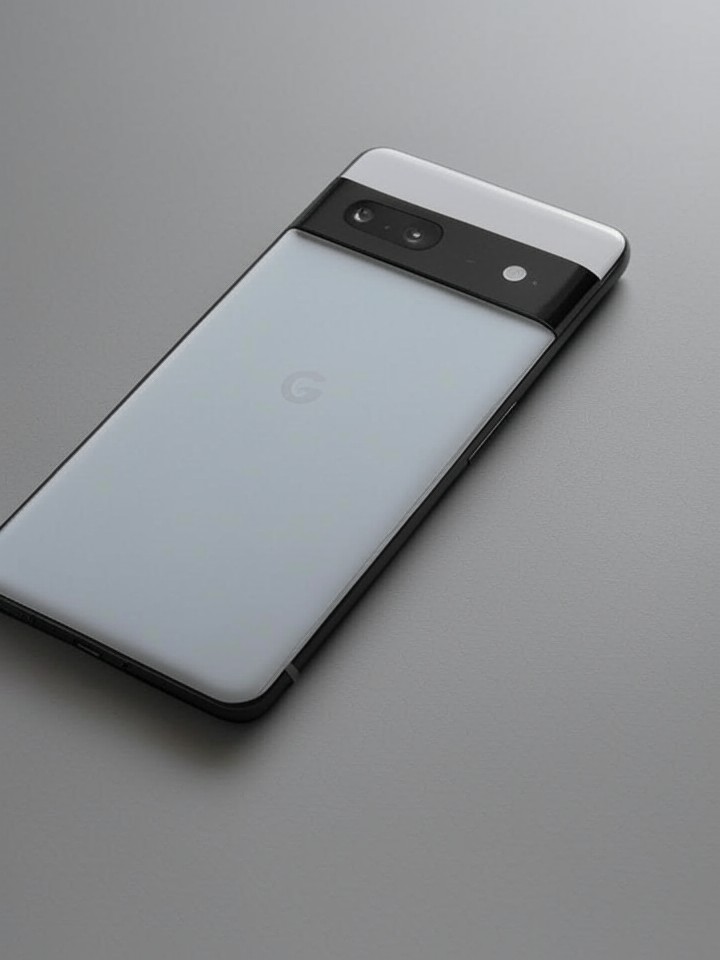
Visually, the Pixel 10a is expected to retain the iconic camera bar and flat-edged design that defines the series, with subtle refinements for better ergonomics. Leaks from The Economic Times describe a 6.3-inch screen that’s punchy yet power-efficient, ideal for media consumption. The inclusion of IP67 dust and water resistance, while not groundbreaking, ensures durability in everyday scenarios.
On the software front, the phone is slated to ship with Android 16, offering immediate access to the latest features like improved privacy controls and seamless integration with Google’s suite of apps. This out-of-the-box modernity contrasts with many mid-range devices that launch on older OS versions, giving Pixel an edge in user satisfaction metrics. Battery life, bolstered by the larger cell, should support intensive tasks without frequent recharges, though the 23W speed lags behind some competitors’ faster options.
User sentiment on platforms like X reflects excitement mixed with skepticism. Many posts highlight the potential for a “mediocre successor” if specs don’t evolve significantly, echoing concerns from the Pixel 9a era. Yet, the promise of an earlier release has generated positive buzz, with tech enthusiasts speculating on how this could influence holiday sales spillover into early 2026.
Market Positioning and Future Outlook
Positioning the Pixel 10a at under $500 in the U.S. equivalent (based on euro pricing conversions) targets budget-conscious consumers who still crave premium features. This pricing strategy, as detailed in The Pixel Store, could expand Google’s market share in regions like India and Southeast Asia, where mid-range devices dominate sales volumes. Analysts predict this could help Google close the gap with leaders like Samsung and Apple in overall smartphone shipments.
Looking ahead, the Pixel 10a’s launch might preview Google’s hardware ambitions for the year. If the early timeline holds, it could signal a more agile production model, potentially influenced by advancements in modular design or supply chain optimizations. Challenges remain, such as ensuring global availability amid geopolitical tensions affecting component sourcing.
For industry players, this development underscores the accelerating pace of innovation in the mid-tier space. Google’s play here isn’t just about hardware; it’s about embedding its AI ecosystem deeper into daily life, from photo editing to voice assistance. As more details emerge, perhaps at an unannounced event, the Pixel 10a stands to reinforce Google’s reputation as a disruptor.
Ecosystem Integration and Competitive Edges
Integrating with Wear OS and other Google services, the Pixel 10a could serve as an entry point for users into the broader ecosystem. Features like seamless data syncing with Pixel Watch or Buds enhance its appeal, creating stickiness that rivals struggle to match without similar vertical integration.
Comparatively, against devices like the Samsung Galaxy A55 or iPhone SE, the Pixel 10a’s strengths lie in photography and software purity. The 48MP sensor, optimized by Google’s algorithms, often outperforms hardware specs on paper, as evidenced in benchmark tests from prior models.
Potential drawbacks include the lack of expandable storage or advanced cooling, which might deter power users. However, for the target audience—casual users seeking reliability—these omissions keep costs in check.
Broader Industry Ramifications
The ripple effects of an early Pixel 10a launch extend to component suppliers and app developers. Chipmakers like TSMC could see increased demand if Google scales production, while developers might prioritize Android 16 optimizations sooner.
In terms of sustainability, Google’s emphasis on long-term support reduces electronic waste, aligning with global regulations pushing for greener tech.
Ultimately, the Pixel 10a’s story is one of strategic timing and measured evolution, potentially setting a new cadence for mid-range releases.
Refining Expectations Amid Uncertainty
As the current date stands at January 19, 2026, anticipation builds with each passing day. Recent X posts continue to fuel speculation, with users debating color options and performance benchmarks.
Google’s silence on official confirmation adds intrigue, but historical patterns suggest an announcement could drop imminently.
For insiders, this launch represents a pivot toward faster iteration, challenging the industry to keep pace.


 WebProNews is an iEntry Publication