
In the ever-evolving world of smartphone technology, Google’s Pixel lineup has long been a beacon for those seeking pure Android experiences laced with innovative AI features. Yet, the latest leak surrounding what appears to be the Pixel 10a has sparked a wave of intrigue and skepticism among tech enthusiasts and industry analysts alike. According to recent certifications and database entries, this upcoming mid-range device bears an uncanny resemblance to its predecessor, the Pixel 9a, raising questions about Google’s strategy in a market demanding constant innovation.
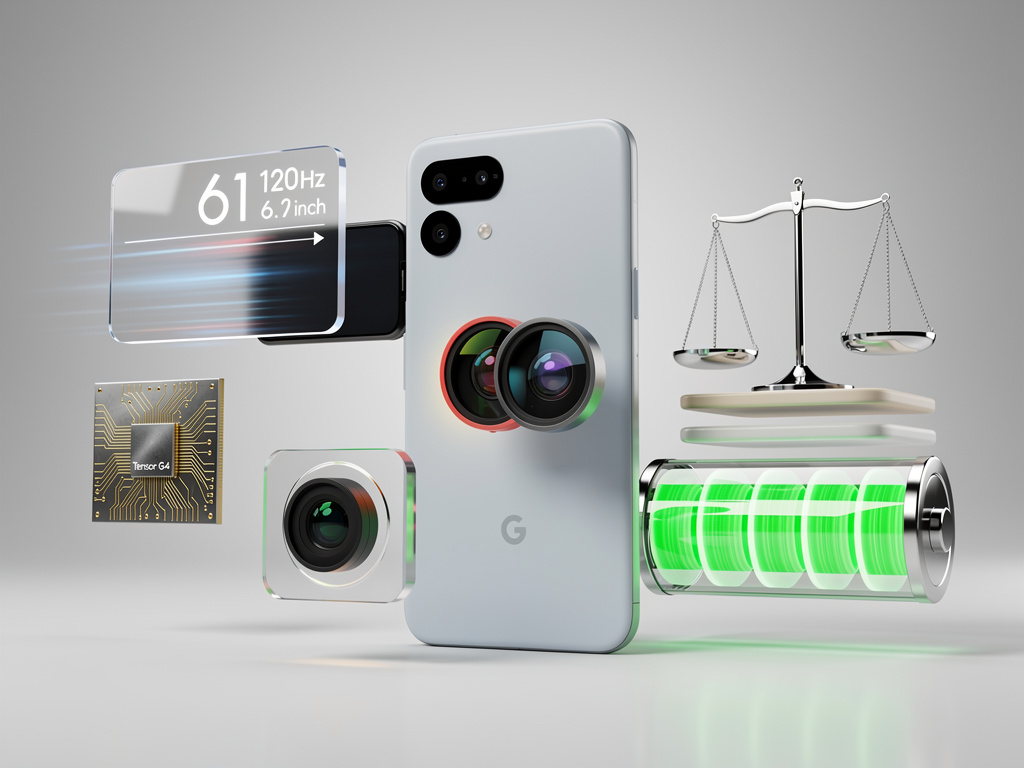
The leak originated from Verizon’s internal systems, where the Pixel 10a was spotted under model numbers that align closely with previous entries in the series. Sources indicate that the device will feature a 6.1-inch display with a 120Hz refresh rate, powered by the Tensor G4 chipset—specifications that mirror those of the Pixel 9a almost identically. This similarity extends to the camera setup, with a dual-lens rear configuration expected to include a 64-megapixel main sensor and a 13-megapixel ultrawide lens, alongside a 13-megapixel front-facing camera.
Battery life also seems poised for minimal change, with a 5,000mAh capacity and 45W fast charging support, suggesting Google is opting for refinement over revolution in this budget-friendly tier. Industry observers note that while these specs ensure reliability, they might not suffice to differentiate the Pixel 10a in a crowded field of competitors offering more aggressive upgrades.
Unpacking the Specs: A Familiar Blueprint
Delving deeper into the leaked details, the Pixel 10a is anticipated to run on Android 16 out of the box, with seven years of software support—a hallmark of Google’s commitment to longevity. However, the absence of significant hardware leaps, such as an upgraded processor or enhanced AI capabilities beyond what’s already available, points to a cost-cutting measure aimed at maintaining affordability. Priced potentially around $500, similar to the Pixel 9a, this device could appeal to value-conscious consumers, but it risks alienating those expecting bolder advancements.
Comparisons to the broader Pixel 10 family reveal a stark contrast. While flagship models like the Pixel 10 and Pixel 10 Pro boast the new Tensor G5 chip and advanced camera systems, the 10a appears stuck in a holding pattern. Leaks from various outlets suggest this mid-ranger will retain the same IP67 water and dust resistance rating, wireless charging, and even design elements, including a flat-edged frame and punch-hole display.
This approach aligns with Google’s historical pattern of incremental updates for its A-series phones, which prioritize accessibility over cutting-edge features. Yet, in a post-Pixel 9 era where AI integrations like enhanced photo editing and real-time language translation have become table stakes, the lack of fresh elements in the 10a could signal a strategic pivot toward ecosystem consolidation rather than hardware differentiation.
Market Implications and Competitive Pressures
As the smartphone arena intensifies, Google’s decision to recycle specs for the Pixel 10a might be a calculated response to economic realities. With inflation impacting consumer spending, mid-range devices that offer dependable performance without premium pricing could capture a larger share of emerging markets. Reports from industry trackers indicate that sales of budget Android phones surged by 15% in the past year, underscoring the viability of this tactic.
However, competitors like Samsung and OnePlus are not standing still. Samsung’s Galaxy A-series, for instance, has introduced features like improved night photography and expandable storage in recent iterations, potentially outpacing Google’s offering. The Pixel 10a’s leaked timeline points to a March 2026 launch, giving rivals ample time to refine their lineups.
Moreover, the integration of Google’s Gemini AI suite remains a key selling point, but if the hardware doesn’t evolve, users might question the value proposition. Analysts speculate that this similarity could be a deliberate choice to streamline production and reduce R&D costs, allowing Google to focus resources on high-end innovations like foldables and wearables.
Insights from Recent Leaks and Certifications
Drawing from a certification listing on Tech Advisor, the Pixel 10a has been confirmed for Verizon’s network with specs that echo the 9a, including identical RAM options of 8GB and storage up to 256GB. This revelation, published just hours ago, reinforces the notion of a iterative update rather than a overhaul.
Further details from 9to5Google highlight potential disappointments, such as the retention of the Tensor G4 instead of the newer G5, which could limit on-device AI processing power. The article suggests that while the display might see minor brightness improvements, the overall package feels like a rebrand, prompting recommendations to opt for the discounted Pixel 9a instead.
Echoing these sentiments, Digit provides a comprehensive breakdown, estimating an Indian market price of around Rs 45,000 and emphasizing the device’s long battery life as a carryover strength. These sources collectively paint a picture of cautious evolution, where Google prioritizes software prowess over hardware novelty.
Broader Ecosystem Ties and Software Edge
Beyond hardware, the Pixel 10a’s appeal lies in its seamless integration with Google’s ecosystem. Features like Magic Editor for AI-powered photo enhancements and Circle to Search could receive subtle tweaks, leveraging the Android 16 foundation. This software-centric approach has historically bolstered Pixel sales, with users praising the clean interface and timely updates.
Industry insiders point out that Google’s seven-year support promise sets a high bar, potentially influencing competitors to extend their own update cycles. However, if the 10a doesn’t introduce unique AI tools—such as advanced video generation hinted at in higher-end models—it might struggle to stand out.
Social media buzz on platforms like X amplifies this narrative, with posts from tech accounts expressing mixed reactions. Some users hail the consistency as a win for reliability, while others lament the lack of excitement, drawing parallels to past Pixel iterations that faced similar criticisms.
Strategic Shifts in Google’s Hardware Vision
Looking at Google’s broader ambitions, the Pixel 10a’s conservative design may reflect a shift toward sustainability and supply chain efficiency. By reusing components, the company could minimize electronic waste and stabilize pricing amid global chip shortages. This mirrors trends seen in other tech giants, where modular designs and recycled materials are gaining traction.
Yet, leaks about upcoming Feature Drops, as reported in Android Police, suggest that software updates could inject new life into devices like the 10a post-launch. These drops often include transformative features, such as improved call screening or adaptive battery optimizations, which might compensate for static hardware.
Comparisons to the Pixel 10 series, detailed in CNET, underscore the divergence: while flagships experiment with magnets for accessories and enhanced processors, the A-series remains grounded in practicality. This bifurcation allows Google to cater to diverse user segments without overextending resources.
Consumer Sentiment and Future Prospects
Feedback from online forums and X posts reveals a divided audience. Enthusiasts appreciate the no-frills reliability, but power users crave more. One viral post likened the 10a to “a dependable old friend in a sea of flashy newcomers,” capturing the sentiment that familiarity breeds comfort, if not thrill.
As the launch approaches, Google might surprise with unannounced tweaks, such as better haptic feedback or expanded color options. Historical patterns show that final products often refine leaked specs, potentially addressing criticisms of stagnation.
Ultimately, the Pixel 10a’s trajectory will test Google’s ability to balance innovation with accessibility. If it succeeds in delivering exceptional software experiences on familiar hardware, it could solidify the A-series as a staple for budget buyers.
Evolving Design Philosophies in Mid-Range Smartphones
Examining design leaks, the Pixel 10a retains the signature Pixel aesthetic: a horizontal camera bar, matte finish, and compact form factor. This continuity, as noted in NotebookCheck, hints at recycled specs that might disappoint those hoping for a visual refresh.
In contrast, rivals are experimenting with bolder designs, like under-display cameras or foldable elements in mid-range models. Google’s adherence to a proven formula could be a strength, fostering brand loyalty among users who value consistency over novelty.
Moreover, the leak’s timing—amidst November 2025 updates rolling out to existing Pixels—suggests Google is synchronizing its ecosystem. A changelog leak from Gadgets360 details stability improvements that could preview enhancements for the 10a.
Industry Analysis: Balancing Cost and Innovation
For industry insiders, the Pixel 10a’s strategy exemplifies the challenges of scaling AI in affordable devices. With Tensor G4’s limitations, advanced features like real-time translation might rely more on cloud processing, potentially raising privacy concerns.
Economic factors play a role too; rising component costs have pushed manufacturers toward iterative releases. Google’s move could inspire similar approaches, reshaping how mid-range phones are developed.
As we await official confirmation, the leak serves as a reminder of the delicate dance between expectation and execution in tech hardware. If Google leverages its software strengths effectively, the Pixel 10a might prove that evolution doesn’t always require revolution.
Anticipating Launch and User Adoption
Speculation around the March 2026 debut, as per multiple sources, aligns with Google’s spring release cadence for A-series phones. Pre-launch hype could build through targeted marketing emphasizing AI and longevity.
User adoption might hinge on reviews highlighting everyday performance, where the 10a’s similarities to the 9a could translate to proven reliability. In markets like India and Europe, where value is paramount, this could drive strong sales.
Finally, as the dust settles on this leak, it underscores Google’s pragmatic vision: delivering accessible tech that integrates seamlessly into daily life, even if it means treading familiar ground.


 WebProNews is an iEntry Publication