
The Slow Erosion of Google’s Core Apps: A Dialer’s Descent into Dysfunction
In the ever-evolving world of smartphone technology, few elements are as fundamental as the phone app itself—the digital gateway for calls, contacts, and basic communication. Yet, recent developments suggest Google is inadvertently undermining this cornerstone through a series of updates that prioritize flashy features over reliability. Drawing from a detailed analysis in MSN, the Google Phone app, once a model of simplicity and efficiency, is now plagued by glitches, intrusive integrations, and a user interface that feels increasingly alienating. Industry observers note that these changes reflect broader patterns in Google’s software strategy, where AI-driven enhancements often come at the expense of core functionality.
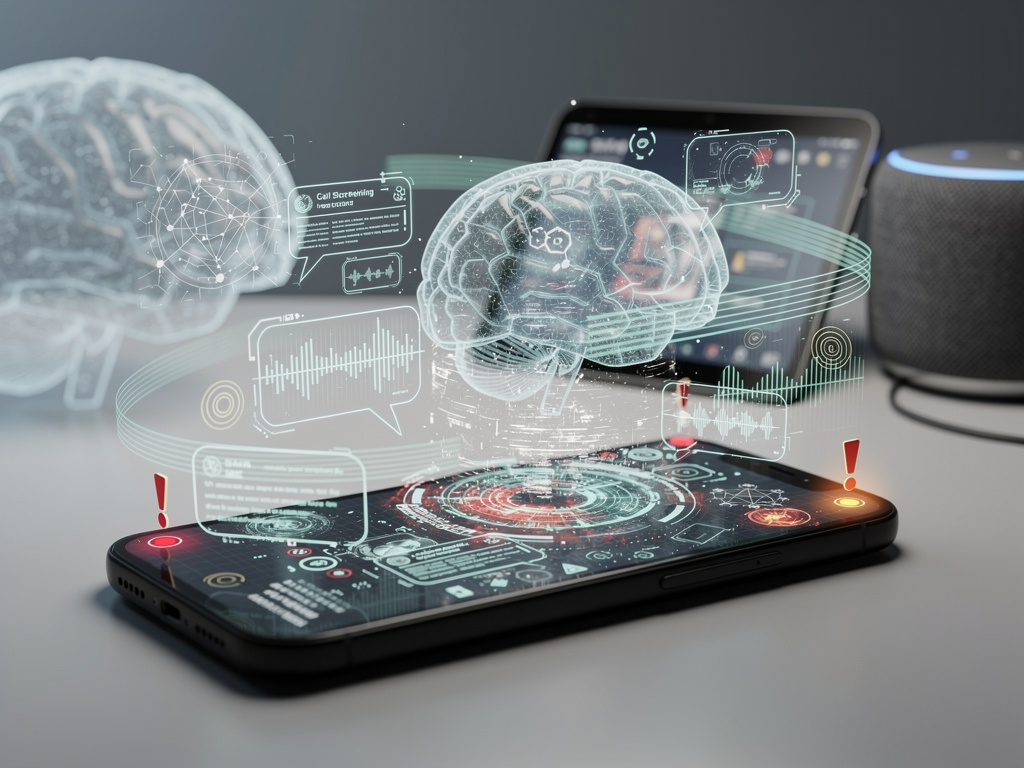
Users have reported a litany of issues, from erratic call screening to delayed notifications, which disrupt the seamless experience Android loyalists have come to expect. For instance, the integration of Gemini AI into the dialer has introduced automated responses that sometimes misfire, leading to awkward or missed communications. This isn’t isolated; similar complaints echo across forums and social media, highlighting a disconnect between Google’s innovation push and everyday usability. As one tech analyst put it, the app’s evolution mirrors a larger trend where updates, intended to modernize, instead complicate what should be straightforward.
Beyond the Phone app, Google’s ecosystem of essential tools is showing signs of strain. The December 2025 Google System Updates, as detailed in 9to5Google, promised improvements in Play services and system stability, but early feedback indicates persistent bugs in call handling and app permissions. These updates, while addressing security vulnerabilities, have inadvertently introduced lag in voice commands and contact syncing, frustrating users who rely on their devices for professional calls.
Unpacking the Update Overload
The root of these problems can be traced to Google’s aggressive update cycle, which in 2025 alone saw over 60 major AI announcements, according to a recap on Google’s official blog. Features like advanced call transcription and spam detection, powered by Gemini, sound promising on paper. However, in practice, they often overload the app’s interface, making it cumbersome for quick actions like dialing a number or checking voicemail. Insiders point out that this bloat stems from Google’s drive to compete with rivals like Apple, whose iOS dialer remains a paragon of minimalism.
Social media platforms, particularly X (formerly Twitter), are rife with user anecdotes that paint a vivid picture of frustration. Posts from Android enthusiasts describe scenarios where incoming calls are auto-declined due to software hiccups, reminiscent of older Pixel bugs but now amplified in newer models. One common thread involves the app’s integration with Google Assistant, where voice prompts interrupt calls unexpectedly, leading to dropped connections during critical moments.
Moreover, the push for AI personalization has led to privacy concerns. Updates that scan calls for spam also collect data on user habits, raising questions about consent and data usage. As reported in various tech outlets, this has sparked debates among developers and privacy advocates, who argue that Google’s data-hungry approach is eroding trust in what should be a secure communication tool.
Algorithmic Shifts and Their Ripple Effects
Shifting focus to the broader implications, Google’s algorithm updates in late 2025 and early 2026 have indirectly impacted app performance. A Medium article by Jannuth Ul Frothose, published on Medium, explains how these changes, aimed at improving search and content relevance, have trickled down to affect app integrations like contact suggestions and search within the dialer. Websites reliant on SEO have seen traffic fluctuations, but for end-users, this means slower response times when searching for contacts or pulling up recent calls.
In the realm of Workspace tools, which often intersect with phone functionality through apps like Meet and Voice, updates have introduced compatibility issues. The official Google Workspace Updates blog highlights new features in Meet hardware and Voice, yet users report syncing problems that cause calls to fail when switching between devices. This is particularly problematic for business users who depend on seamless transitions from mobile to desktop.
Compounding these issues are security patches that, while necessary, sometimes disrupt app behavior. A critical update in August 2025, flagged in posts on X, addressed vulnerabilities allowing remote hijacks, but it also led to temporary glitches in call audio and notification delivery. Tech communities on X have shared workarounds, such as clearing caches or reverting settings, underscoring the makeshift nature of user-led fixes in the absence of robust support from Google.
User Sentiment and Market Repercussions
The cumulative effect of these updates is a growing chorus of dissatisfaction among Android users. Surveys and forum discussions reveal that many feel the Phone app’s core purpose—making and receiving calls—is being overshadowed by experimental features. For example, the introduction of AI-generated call summaries, while innovative, often produces inaccurate transcripts, leading to misunderstandings in professional settings.
Industry insiders, speaking anonymously, suggest Google’s internal metrics prioritize engagement metrics over reliability scores, incentivizing features that encourage prolonged app usage rather than quick, efficient interactions. This approach contrasts sharply with user needs, especially in a post-pandemic world where remote communication is paramount.
Looking at competitors, Samsung and other Android manufacturers have begun customizing their dialers to mitigate Google’s changes, offering stripped-down versions that appeal to purists. This fragmentation within the Android ecosystem could dilute Google’s dominance if not addressed, as users migrate to devices with more stable software experiences.
The Path Forward for Reliability
To delve deeper, consider the technical underpinnings. Google’s Play Store updates, as explored in a gHacks Tech News piece, have altered auto-update mechanisms, sometimes pushing unstable versions to users without adequate testing. This has resulted in widespread reports of app crashes, particularly on mid-range devices where hardware can’t keep pace with software demands.
Privacy and regulatory pressures are also at play. With new laws like the App Store Accountability Acts set to take effect in 2026, as noted in a FKKS Technology Law blog, Google must adapt its APIs for better compliance, potentially introducing more changes to the Phone app. Developers are scrambling to integrate these, but the transition risks further disruptions.
User feedback loops, such as those in Google Keep’s 2025 updates recapped on 9to5Google, show that when Google listens, improvements follow. Yet, for the Phone app, such responsiveness seems lacking, with bug reports piling up without swift resolutions.
Innovation Versus Usability: Striking a Balance
Exploring the AI angle further, Google’s 2025 research breakthroughs, detailed in another Google blog post, include advancements in natural language processing that power the dialer’s smart features. However, these often require constant internet connectivity, leaving users in low-signal areas at a disadvantage—a regression from earlier offline-capable versions.
On X, developers and power users share code snippets and mods to revert interfaces, indicating a grassroots movement against Google’s direction. This sentiment is echoed in ads-related updates from ALMCORP, where AI-driven targeting in apps like the dialer introduces sponsored suggestions during calls, blurring the line between utility and advertising.
For enterprise users, these issues extend to productivity suites. Integration with Google Calendar and Tasks means that a glitchy phone app can derail scheduled calls, impacting workflows in sectors like finance and healthcare.
Lessons from Past Missteps
Historically, Google has faced similar backlashes, such as with the Pixel 6’s call bugs in 2022, as referenced in older X posts from Android Authority. These patterns suggest a recurring theme: rapid iteration without sufficient beta testing leads to widespread issues.
Current news on X highlights ongoing problems, like broken notifications in third-party apps during calls, mirroring complaints in Nothing OS updates but scaled to Google’s vast user base. Security experts warn that unpatched glitches could expose users to exploits, amplifying the stakes.
As 2026 unfolds, predictions from sources like a 9to5Google video anticipate more AI integrations, but without addressing core flaws, user loyalty may wane.
Charting a Course for Redemption
Ultimately, Google’s challenge lies in reconciling its ambitious vision with user-centric design. Insiders advocate for modular updates, allowing users to opt out of experimental features while retaining essential functions. This could restore the Phone app’s status as a reliable staple.
Collaboration with device manufacturers might yield hybrid solutions, blending Google’s AI prowess with hardware-specific optimizations. Meanwhile, community-driven initiatives on platforms like X continue to pressure for change, sharing tips and demanding accountability.
As the tech giant navigates these waters, the fate of its core apps will test whether innovation can coexist with dependability, ensuring that the most basic phone functions remain uncompromised in an increasingly complex digital realm.


 WebProNews is an iEntry Publication