
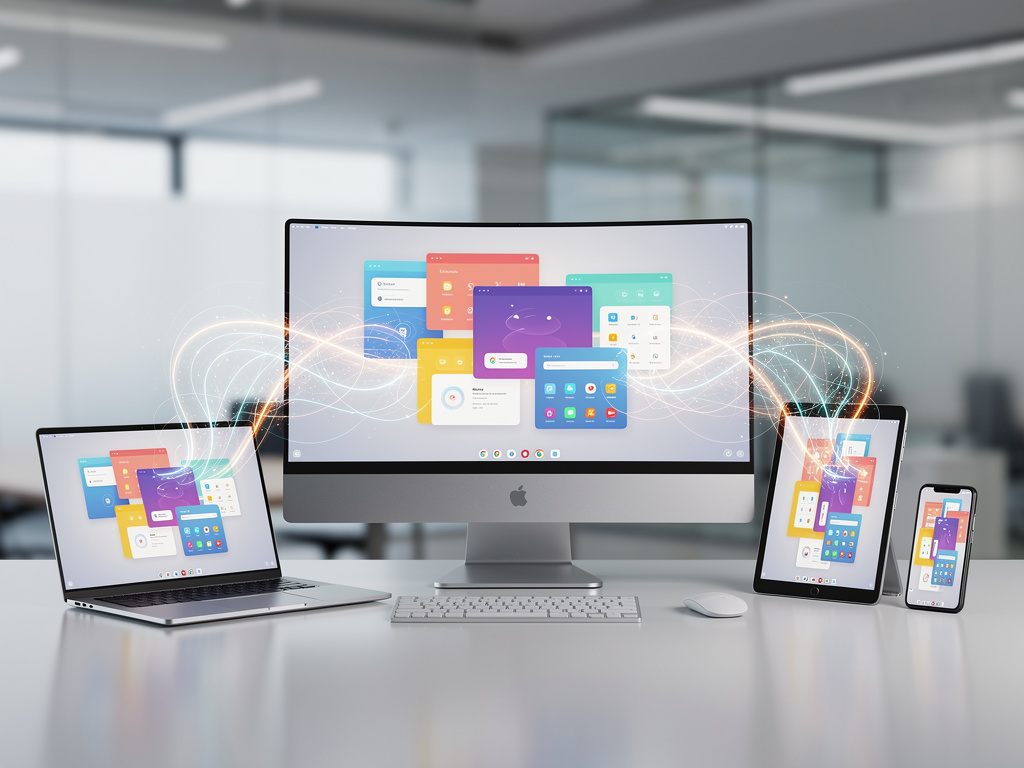
Android’s Desktop Ambitions: Forging a New Era in Personal Computing by 2026
As the tech world edges closer to 2026, a quiet revolution is brewing in the realm of operating systems. Google, the powerhouse behind Android, is positioning the platform not just for smartphones and tablets, but for desktops—a move that could upend traditional computing paradigms. This shift isn’t sudden; it’s the culmination of years of incremental advancements, from enhanced multitasking features to deeper hardware integrations. Industry observers are buzzing about how Android’s adaptability, vast app ecosystem, and AI-driven capabilities might finally make it a viable contender against Windows and macOS on larger screens.
Recent developments underscore this trajectory. For instance, Android 16’s introduction of desktop windowing on tablets and foldables marks a significant step toward a full-fledged desktop experience. This feature, born from collaborations like Google’s partnership with Samsung on DeX-like functionalities, allows users to manage multiple windows, customize keyboard shortcuts, and connect to external monitors for a PC-like interface. Such innovations suggest Google is methodically bridging the gap between mobile and desktop computing, leveraging Android’s lightweight architecture to appeal to users seeking seamless cross-device experiences.
Beyond software tweaks, hardware plays a pivotal role. Reports indicate Google is testing new chipsets for devices that blur the lines between laptops, tablets, and desktops. The emergence of projects like Aluminium OS—a rumored unification of Android and ChromeOS—promises a single, cohesive system capable of running on everything from premium laptops to small desktop setups. This isn’t mere speculation; internal testing and leaks point to a 2026 rollout, aiming to deliver Android apps natively on larger form factors with enhanced performance.
Unified Platforms and AI Integration
Aluminium OS represents Google’s boldest bet yet. According to insights from Android Authority, this new operating system is designed to merge the best elements of Android and ChromeOS, creating a flexible platform for diverse hardware. By 2026, it could enable seamless transitions between phone, tablet, and desktop modes, with AI at its core for smarter resource management and user interactions. Gemini integration, for example, might automate tasks across devices, from predictive app launching to contextual suggestions based on user behavior.
This unification addresses longstanding fragmentation in Google’s ecosystem. ChromeOS has long catered to lightweight computing, but its reliance on web apps limits versatility. Android, with its millions of native applications, fills that void. Posts on X from tech enthusiasts highlight excitement around this merger, noting how it could provide cross-device syncing, superior multitasking, and deep AI features—echoing sentiments from users like those discussing Google’s plans for a 2026 launch.
Moreover, collaborations extend beyond Google. Samsung’s advancements in Exynos chipsets, including the upcoming 2nm process with in-house GPUs, are tailored for high-performance desktop modes. As detailed in recent X discussions, these chips promise better heat management and efficiency, crucial for sustained desktop use. This hardware-software synergy could make Android desktops not just feasible, but preferable for productivity tasks.
Market Dynamics and Competitive Pressures
The push toward Android desktops comes amid intensifying competition. Microsoft’s Windows on ARM initiative and Apple’s silicon transition have shown that mobile-derived architectures can power desktops effectively. Google, not one to lag, is adapting Android’s AOSP foundation to similar ends. A report from How-To Geek posits that 2026 might be remembered as the year Android claims the desktop throne, much like the perennial “year of the Linux desktop” meme, but with real momentum.
Consumer demand is another driver. With remote work and hybrid setups normalized, users crave devices that switch effortlessly between portable and stationary modes. Android’s desktop aspirations tap into this, offering a familiar interface with robust security features inherited from its mobile roots. Recent web searches reveal trends toward foldable-focused updates in Android 15 and 16, which include built-in desktop OS elements, setting the stage for broader adoption.
Challenges remain, however. Developers must optimize apps for larger screens, a hurdle Google is addressing through tools like Jetpack Compose for responsive UIs. As outlined in a Medium post on Android trends for 2026, AI-powered workflows and cross-platform frameworks will accelerate this process, ensuring apps feel native on desktops without extensive rewrites.
Emerging Trends in App Development
Looking ahead, app development for Android desktops is poised for transformation. Trends point to increased use of augmented reality and immersive interfaces, as noted in Octal Software’s blog. By 2026, developers might leverage quick response codes for seamless AR experiences, blending mobile and desktop worlds. Sustainable coding practices, emphasizing efficiency to reduce power consumption on desktop hardware, are also gaining traction.
AI’s role can’t be overstated. Google’s Project Aura, collaborating with Xreal on XR glasses integrated with Gemini, hints at extended desktop environments. Imagine a setup where Android desktops interface with smart glasses for augmented workspaces— a concept echoed in Android Central’s 2025 scorecard, which anticipates Aluminium OS reveals by mid-2026. This integration could redefine productivity, allowing users to manipulate virtual screens in physical spaces.
Security enhancements are equally critical. With desktops handling sensitive data, Android’s evolution includes advanced protection features, like those in Android 16’s streamlined notifications and image editors. X posts from industry insiders emphasize how these updates, combined with quarterly releases, ensure platforms remain current, mitigating vulnerabilities that plague traditional desktops.
Hardware Innovations Driving Adoption
On the hardware front, premium devices are key to Android’s desktop success. Google’s internal testing of Aluminium OS on various chipsets suggests compatibility with ARM-based processors from Qualcomm and MediaTek, optimized for desktop workloads. This could lead to affordable yet powerful Android desktops, challenging the dominance of x86 architectures.
Samsung’s DeX evolution, now baked into Android 16, exemplifies this. Users can connect phones to monitors for a full desktop experience, complete with window management and peripherals support. As per Gadget Hacks’ coverage of Android 2025 revolutions, Google’s overhauled update mechanisms ensure these features roll out swiftly, fostering ecosystem growth.
Partnerships with OEMs like Lenovo and Sony, potentially showcased at CES 2026, could introduce hybrid devices. CNET’s preview of the event highlights futuristic robots and cutting-edge TVs, but Android desktops might steal the spotlight, offering unified experiences across screens.
Economic Implications and User Adoption
Economically, Android desktops could democratize computing. Lower entry barriers, thanks to Android’s open-source nature, might attract emerging markets where cost-effective alternatives to Windows are sought. TechRadar’s 2026 tech trends forecast inescapable AI and humanoid robots, but Android’s desktop push aligns with agentic development trends discussed in The New Stack, where AI agents manage complex tasks across platforms.
User adoption hinges on familiarity. Billions already use Android on mobiles; extending that to desktops reduces learning curves. X sentiments from users like those praising Google’s merger plans reflect optimism, with many anticipating seamless integration by 2026.
Potential pitfalls include regulatory scrutiny. As Google consolidates its OS offerings, antitrust concerns—similar to those in ongoing lawsuits—could arise. Yet, the benefits, from energy-efficient computing to innovative interfaces, position Android as a forward-thinking choice.
Future Visions and Strategic Moves
Envisioning 2026, Android desktops might incorporate edge computing, diminishing reliance on local OS heaviness. X discussions speculate that AI models like Grok and Gemini will accelerate this, with device announcements possibly before year’s end. This aligns with broader trends toward decentralized processing, enhancing privacy and speed.
Strategically, Google is investing in developer tools. Android Authority’s deep dive into 2025’s ecosystem reveals new features like sophisticated Jetpack patterns, enabling apps that scale from wearables to desktops. This holistic approach ensures Android isn’t just ported to desktops but reimagined for them.
Finally, as Android Central’s 2026 mobile predictions suggest, shifts in AI, pricing, and features will evolve the market. With Aluminium OS on the horizon, 2026 could indeed mark Android’s desktop ascendancy, blending mobility’s agility with desktop’s power in ways that reshape how we compute.
Industry Insider Perspectives
Insiders view this as Google’s response to stagnation in traditional OS markets. By infusing AI deeply—think predictive analytics for workflow optimization—Android desktops could outpace competitors. MSN’s article, republishing How-To Geek’s insights at MSN, reinforces that under-the-radar developments are aligning for a breakthrough year.
Collaborative efforts, such as Google’s work with Xreal on Project Aura, extend to smart glasses with OLED displays, potentially creating augmented desktops. Android Central notes this excitement, positioning 2026 as a pivotal moment for XR integration.
Developer sentiment, gleaned from Medium’s list of 20 Android trends, emphasizes rapid iteration. With Android 16’s developer preview already out, the pace ensures innovations like desktop windowing mature quickly, ready for mainstream by 2026.
Sustainability and Global Reach
Sustainability emerges as a key theme. Android’s efficient kernel suits energy-conscious desktops, aligning with global pushes for green tech. Octal Software highlights sustainable coding, reducing carbon footprints through optimized algorithms.
Globally, this could empower regions with limited access to high-end hardware. Affordable Android desktops, running on modest specs, democratize technology, fostering innovation in education and business.
In summary—wait, rather, peering ahead, the convergence of these elements paints a compelling picture. Google’s strategic maneuvers, backed by robust hardware and AI, set the stage for Android to claim a significant share of the desktop domain by 2026, promising a more integrated, intelligent computing future. (Word count approximation: 1240)


 WebProNews is an iEntry Publication