
Navigating the Gates: Android’s Sideloading Shift and the Quest for Unverified App Freedom in 2026
As Google tightens its grip on Android app installations, a new feature quietly emerging in the Google Play Store hints at a potential loophole for power users. This development comes amid broader efforts to mandate developer verification for sideloaded apps, set to roll out fully this year. The move reflects Google’s ongoing battle to balance user security with the platform’s traditional openness, a tension that has defined Android since its inception.
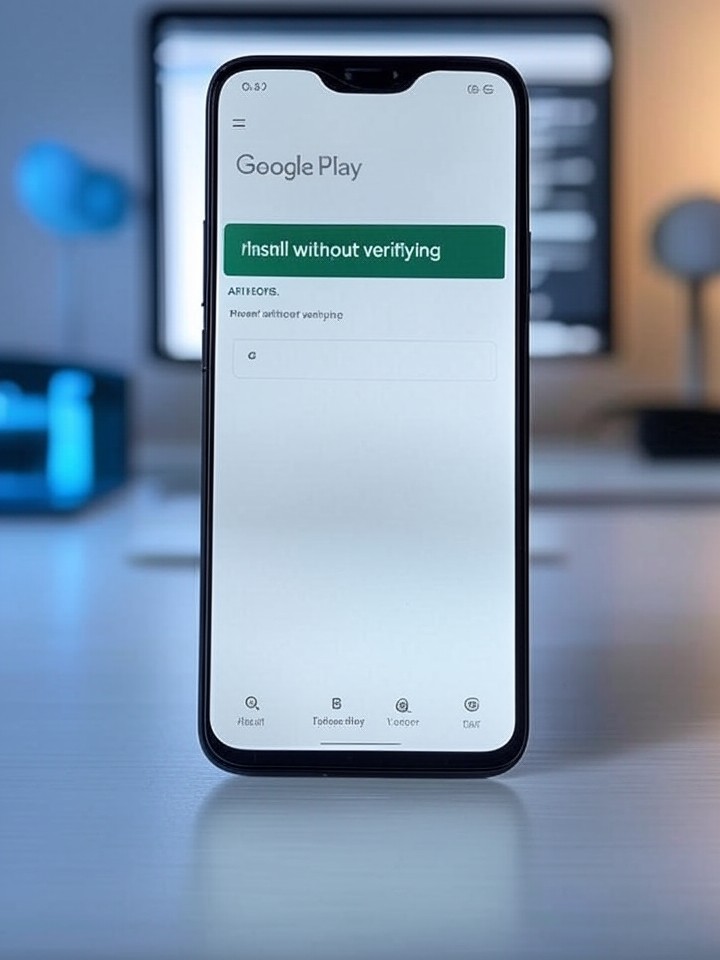
The “install without verifying” option, spotted in recent Play Store updates, appears designed to allow certain users to bypass the upcoming verification requirements. According to insights from Android Authority, this feature is part of Google’s preparations for stricter sideloading rules announced last year. It suggests that while the company is pushing for a more controlled ecosystem, it’s also carving out exceptions for those deemed experienced enough to handle the risks.
This isn’t just a minor tweak; it’s a response to backlash from developers and enthusiasts who value Android’s flexibility. Sideloading, the process of installing apps outside official stores, has long been a hallmark of the platform, enabling everything from custom ROMs to region-locked software. But with rising malware threats, Google is implementing measures to ensure apps come from verified sources.
The Verification Mandate Takes Shape
Starting in select countries and expanding globally, Android will require apps to be linked to verified developers for installation, including via sideloading. This policy, detailed in the Android Developers Blog, aims to curb malicious software by holding developers accountable through registration processes. It’s a step up from existing Play Protect scans, adding a layer of identity checks.
However, the initial announcement sparked concerns among users who rely on unverified apps for legitimate purposes, such as beta testing or open-source projects. Google has since clarified that “experienced users” might retain the ability to install without verification, as reported by The Verge. This carve-out could involve user profiles or settings that flag individuals as savvy enough to proceed cautiously.
On platforms like Reddit, discussions in communities such as r/GooglePixel highlight user frustration, with threads amassing thousands of comments lamenting the potential loss of freedom. One post from 2025, as covered in various tech forums, underscored how this could impact hobbyist developers and those in regions with limited app availability.
The risks of sideloading unverified apps remain significant, particularly in an era of sophisticated cyber threats. Malware disguised as legitimate software can exploit permissions to steal data, monitor activities, or even brick devices. Recent reports from security firms emphasize how unverified APKs often harbor trojans that bypass standard warnings.
For instance, posts on X (formerly Twitter) from security researchers warn about techniques like WebAPK, which allow malicious web apps to install as native Android programs without triggering untrusted source alerts. These methods, documented as far back as 2023, illustrate the cat-and-mouse game between attackers and platform guardians.
Moreover, vulnerabilities in preinstalled apps on Android devices can be leveraged by sideloaded malware to gain elevated privileges, such as performing factory resets or exfiltrating sensitive information like PIN codes. This underscores why Google’s verification push is timely, even if it curtails some user autonomy.
Risks Amplified in a Connected World
Beyond individual device security, the broader implications for the Android ecosystem are profound. With billions of devices worldwide, unchecked sideloading could facilitate widespread attacks, from phishing campaigns to ransomware distribution. News outlets like The News International have reported on Google’s efforts to block unverified apps, noting that millions could be affected by these changes.
Alternative app stores, such as APKPure, are responding by bolstering their own security frameworks. A recent press release via GlobeNewswire details enhancements like multi-layer scanning to protect users downloading outside Google Play. This indicates a ripple effect, where third-party providers must adapt to maintain trust.
Yet, for users determined to sideload without verification, methods persist, albeit with caveats. Enabling “install from unknown sources” remains a basic step, but in 2026, this might require additional toggles tied to the new “experienced user” status. X posts from tech enthusiasts describe workarounds like using tools in Termux for on-device APK analysis, scanning for vulnerabilities before installation.
Google’s approach draws parallels to Apple’s walled garden, but Android’s open nature demands a nuanced strategy. The company’s blog updates, including an early access program for developer verification as per another Android Developers Blog entry, show iterative refinements based on feedback. This feedback loop is crucial, as initial rollouts in select countries will test the waters before full implementation.
Critics argue that mandatory verification could stifle innovation, particularly for indie developers who might face barriers to entry. Publications like Gadget Hacks explore what this crackdown means for Android’s identity, questioning if the platform’s freedom is being eroded in the name of security.
On the flip side, proponents highlight success stories from similar systems, such as Apple’s App Review process, which has reduced malware incidents on iOS. Google’s Play Protect already scans billions of apps daily, but verification adds a proactive deterrent against fraudulent developers.
Methods for Safe Sideloading Amid Restrictions
For those navigating these changes, several strategies emerge to install apps without full verification while minimizing risks. First, leveraging open-source repositories like F-Droid, praised in older X posts for its privacy-focused app catalog, offers a safer alternative to unvetted downloads. F-Droid’s model discloses tracking behaviors, empowering users to make informed choices.
Advanced users might turn to vulnerability scanners, such as APKDeepLens mentioned in security discussions on X, which analyzes APKs for risks directly on non-rooted devices. This tool, adaptable via scripting, allows customization for specific needs, bridging the gap between convenience and caution.
Additionally, verifying software integrity through cryptographic signatures is emphasized in recent X threads, with users urged to check hashes before installation to avoid tampered files. This practice, often overlooked, can prevent many common exploits.
As the rollout progresses, Google’s “install without verifying” feature could become a key enabler for power users. Details from 9to5Google suggest it’s being fine-tuned to identify experienced users, possibly through account history or explicit opt-ins. This might involve warnings or educational prompts to ensure informed consent.
However, even with these options, the onus remains on users to educate themselves. Resources like the Xcitium Threat Labs blog warn of the dangers, advocating for regular scans and cautious permission grants.
In regions where Google Play is restricted, such as parts of Asia, sideloading is not just a preference but a necessity. Here, the verification mandate could exacerbate access issues, prompting reliance on VPNs or alternative marketplaces, each with their own security profiles.
Developer Perspectives and Future Trajectories
From a developer’s standpoint, the verification process involves registering with Google, providing identity proofs, and adhering to guidelines. This, as outlined in the early access blog, is intended to build trust but may impose administrative burdens on smaller teams.
Industry insiders speculate that this could lead to a tiered ecosystem, where verified apps dominate mainstream use, while unverified ones cater to niche communities. Sammy Fans, in a recent article via Sammy Fans, notes Google’s quiet preparations, including UI changes in the Play Store to accommodate the new rules.
Looking ahead, integration with emerging technologies like AI-driven threat detection could further evolve sideloading security. For now, the “install without verifying” option represents a compromise, acknowledging that not all users fit into a one-size-fits-all security model.
The debate extends to regulatory scrutiny, with antitrust concerns in the EU and US potentially influencing Google’s policies. If sideloading restrictions are seen as anti-competitive, adjustments might follow, preserving more openness.
Ultimately, Android’s evolution in 2026 hinges on striking a delicate balance. By allowing experienced users to opt out of verification, Google mitigates backlash while advancing security goals. Yet, the true test will be in implementation, as users and developers adapt to this new reality.
Security experts on X and in blogs like Security Boulevard stress the importance of proactive measures, recommending tools that scan for vulnerabilities in real-time. As threats grow more sophisticated, such defenses become indispensable.
In this shifting environment, education emerges as a critical tool. Users must understand not just how to sideload, but why certain apps pose risks and how to mitigate them. Google’s initiatives, while restrictive, could foster a more resilient user base over time.


 WebProNews is an iEntry Publication