
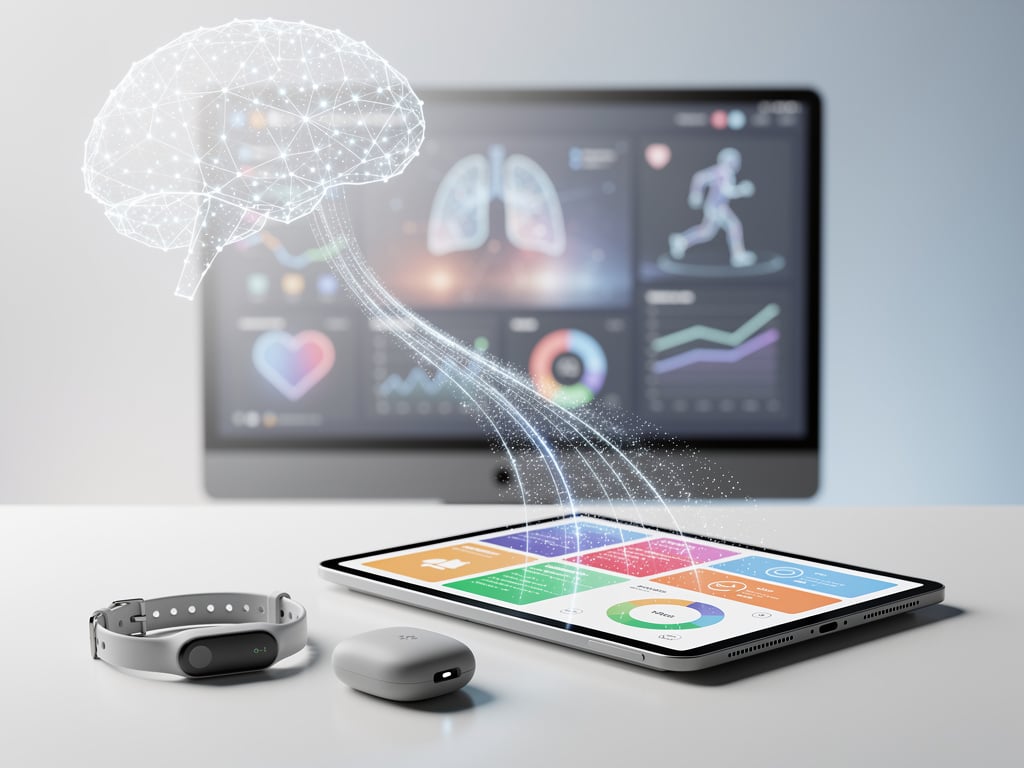
Google just redrew the map for personal health tracking. The company announced on May 7 that its Fitbit app will become the Google Health app starting May 19. At the same moment it unveiled the Fitbit Air. A $99 screenless wearable built from the ground up to feed data into an AI-powered coach.
The moves signal a decisive shift. Five years after buying Fitbit for $2.1 billion, Google no longer treats the brand as a standalone fitness name. It folds the hardware, the software and the data into one Google-controlled health platform. Existing Fitbit users receive the new app automatically. No download required. Later this year Google will invite Google Fit users to move their data across.
Google’s official announcement frames the change as a single-app solution. The Google Health app pulls information from wearable devices, Health Connect on Android, Apple Health on iOS and users’ medical records. One place to view the full picture. Data stays private. Google says it will not use the information for ads.
The Google Health Coach sits at the center. Powered by Gemini, it acts as fitness trainer, sleep advisor and wellness guide rolled into one. It generates workout plans tuned to available equipment and personal goals. It studies sleep patterns and suggests recovery steps. It reviews lab results, medications and visit history when users connect their records. The coach adapts as habits change. Starting May 19 the full version becomes available to Google Health Premium subscribers. Plans begin at $9.99 a month or $99 a year. The service also bundles into higher Google AI Pro and Ultra tiers.
But here’s the hardware that makes the coach smarter. The Fitbit Air weighs just 12 grams with its band. Five grams without. It measures 25 percent smaller than the Fitbit Luxe and half the size of the Inspire 3. No screen. No distractions. Google designed it for 24/7 wear. Users check stats inside the app.
Sensors capture 24/7 heart rate, heart rhythm with atrial fibrillation alerts, blood oxygen, resting heart rate, heart rate variability, sleep stages and duration. The device automatically detects common activities. Its data flows straight to the coach for personalized recommendations. Battery lasts up to seven days. A five-minute charge delivers a full day’s power. Water resistance reaches 50 meters. Three band styles ship at launch. One uses recycled materials.
Pricing lands at $99 for standard colors. The Stephen Curry special edition costs $129 and includes three months of Google Health Premium. Preorders open immediately. Devices ship May 26. TechCrunch noted the clear parallel to Whoop’s screenless model. Yet Google prices lower and pairs the Air with its own AI layer. Users can even switch between the Air and a Pixel Watch depending on the occasion. Screened watch by day. Quiet tracker at night or during workouts.
This arrives after years of transition. The original Fitbit account migration deadline kept getting pushed. First from 2025 to February 2026. Then to May 19, 2026. That date now doubles as the app rebrand cutoff. After it legacy Fitbit accounts stop working. The delays reflected user pushback and the complexity of full integration. Android Central reported signs of the Google Health branding shift as early as April 2026 when store listings began showing Google Health Premium.
Earlier this year Google expanded the coach’s preview features. It added tools for cycle tracking, mental wellbeing and nutrition. Access opened to users without a paid plan for basic functions. The March 2026 update on Google’s Fitbit blog showed steady progress before the full launch.
Industry watchers see bigger ambitions. The unified app and coach could pull Google deeper into clinical territory. While disclaimers stress the coach does not diagnose or treat conditions, its ability to interpret medical records marks new ground for consumer devices. Google warns users to verify outputs and consult doctors. Still the direction is clear. One app. Multiple data streams. Continuous AI guidance.
Fitbit Air itself targets people who find traditional wearables bulky or intrusive. The pebble shape sits discreetly on the wrist. No constant glances at a tiny display. Insights arrive through the phone when wanted. That design choice reflects a broader fatigue some users feel toward always-on screens. And it gives Google a low-cost entry point. At $99 the Air undercuts many smart rings and premium bands.
Integration runs both ways. The Air works with most Android 11 and iOS 16.4 devices. It pairs directly with Pixel Watches for hybrid setups. Google Health Premium subscribers gain the coach immediately. Core tracking metrics remain free. The company hopes the combination of affordable hardware, unified data and smart coaching will drive subscriptions and loyalty.
Challenges remain. Medical record integration requires user permission and faces strict privacy rules. Accuracy disclaimers appear prominently. Not every insight will prove perfect. Competitors such as Oura, Whoop and Apple continue to refine their own platforms. Yet Google’s scale in AI, cloud services and consumer hardware gives it distinct advantages. The rebrand erases some of Fitbit’s independent identity. In return it promises deeper personalization.
Executives call this the start of something larger. Rishi Chandra, general manager for health and home, described the launch as opening a new era for user agency over wellness. The tools aim to help people meet goals whether on the court, in the office or at home. Future updates will expand sharing so users can securely send data to family or physicians.
Analysts will watch adoption numbers closely. How many Fitbit users embrace the new app without friction? How quickly does the coach convert free users to paid? Does the Air attract customers who previously avoided wearables? Early reactions on X highlighted excitement about the screenless form factor and frustration from some longtime Fitbit loyalists watching the brand name fade.
One thing looks certain. Google no longer sells fitness trackers as isolated gadgets. It sells membership in an intelligent health system. The Fitbit Air collects the signals. The Google Health app assembles the view. The Gemini coach offers the advice. All three now carry one name. The experiment that began with a 2021 acquisition has reached a decisive phase.
Whether the combination delivers lasting behavior change will decide its ultimate success. For now Google has placed a sizable bet on AI that understands both your workout habits and your latest blood work. The hardware is simple. The ambition is not.


 WebProNews is an iEntry Publication