
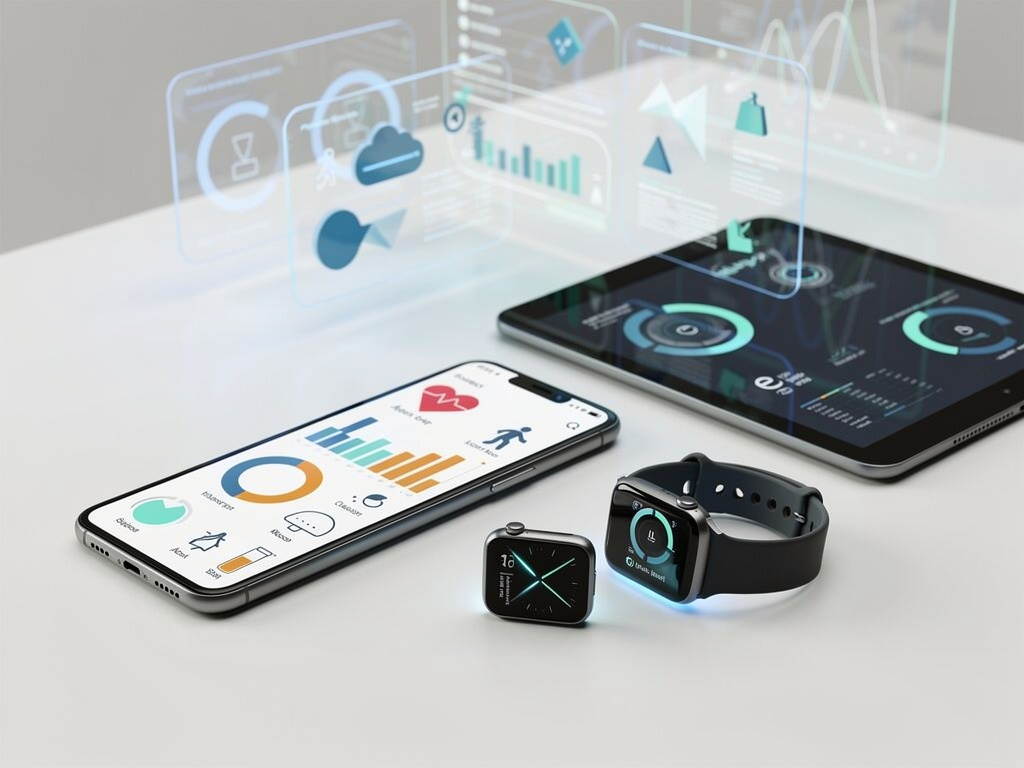
In the rapidly evolving world of digital health, Google’s Health Connect platform is poised for a significant upgrade that could redefine how Android users manage their wellness data. Recent developments indicate that the service, initially designed as a centralized hub for fitness metrics from wearables and apps, is expanding to include symptom tracking, alcohol intake monitoring, and other lifestyle factors. This move comes as Google phases out its older Google Fit app, pushing users toward a more integrated ecosystem. Industry observers see this as Google’s bid to catch up with competitors like Apple Health, which has long offered comprehensive health data aggregation.
The expansion was first hinted at in code discoveries within the latest Health Connect APK, as reported by Digital Trends. Analysts dissecting the update found references to new data categories such as “symptom” and “alcohol consumption,” suggesting users could soon log everything from headaches and fatigue to daily drink counts directly within the platform. This isn’t just about adding features; it’s about creating a unified repository where disparate health signals—from smartwatches to third-party apps—converge seamlessly. For Android enthusiasts and developers, this means easier integration for apps that rely on health data, potentially reducing the fragmentation that has plagued the ecosystem.
Beyond the basics, the update promises enhancements in user privacy and data management. Health Connect’s permission system is being refined to allow grouped controls, letting users manage access to categories like activity, body measurements, and now symptoms in bulk. This addresses longstanding concerns about data silos and privacy in wearable tech, where users often grant broad permissions without granular oversight. As Google Fit’s deprecation looms in June 2025, this transition underscores a strategic pivot toward a more holistic health tool.
Pushing Boundaries in Wearable Integration
Posts on X, formerly Twitter, from tech insiders highlight growing excitement around these changes, with some users speculating that symptom tracking could enable predictive health insights, like alerting users to potential illnesses based on logged data patterns. One such post from a prominent Android analyst noted the potential for Health Connect to rival Apple’s ecosystem by incorporating medical-grade monitoring without additional hardware. This aligns with broader industry trends where wearables are moving beyond step counts to encompass biometric data like heart rate variability and sleep quality.
Further details emerge from Android Authority, which delved into the APK teardown revealing not just symptom logging but also potential integrations with electronic health records. Imagine a scenario where your Pixel Watch detects irregular symptoms and syncs them directly to your doctor’s portal—Google’s vision seems headed there. This expansion builds on Health Connect’s existing framework, which already aggregates data from over 100 apps, including popular ones like Fitbit and Samsung Health.
For industry insiders, the technical implications are profound. Developers will benefit from standardized APIs that support these new data types, reducing the need for custom integrations. However, challenges remain, such as ensuring data accuracy—alcohol tracking, for instance, might rely on user input or sensor estimates from wearables, which aren’t always precise. Google’s approach here draws from its AI prowess, potentially using machine learning to refine these metrics over time.
From Fitness to Full-Spectrum Health Monitoring
The shift toward lifestyle tracking, including alcohol intake, reflects a growing demand for apps that address not just physical activity but overall well-being. According to reports in FindArticles, Android’s health hub is gearing up for this upgrade amid a wealth of wellness data accumulated from devices. This could include correlating alcohol consumption with sleep patterns or symptom flare-ups, providing users with actionable insights. For example, if a user logs frequent migraines alongside evening drinks, the app might suggest patterns to discuss with a healthcare provider.
This isn’t happening in isolation. Google’s broader health initiatives, as outlined on its own Google for Health page, emphasize meeting users on their wellness journeys through search, YouTube, and devices. The expansion of Health Connect fits into this narrative, potentially incorporating AI-driven coaching similar to what’s been explored in Google Research papers. One such paper, shared via posts on X, discussed a personal health assistant that reads wearable data to offer habit coaching, hinting at future features where Health Connect could provide personalized recommendations.
Privacy remains a cornerstone, especially as health data becomes more sensitive. The updated permission model, allowing users to toggle access for entire data groups, is a direct response to regulatory pressures like GDPR in Europe and evolving U.S. privacy laws. Insiders note that this could set a new standard for data handling in wearables, where breaches have historically eroded user trust.
Competitive Pressures and Market Dynamics
Apple’s dominance in health tracking has long been a thorn in Google’s side, with features like ECG monitoring on the Apple Watch setting benchmarks. Google’s response via Health Connect aims to level the playing field by focusing on openness—Android’s strength lies in its compatibility with a wide array of devices, from budget fitness trackers to high-end smartwatches. Recent news from Slay News touches on global pushes for standardized health devices, including efforts by the World Health Organization, which could amplify the need for platforms like Health Connect.
On the wearable front, integrations with devices like the Pixel Watch are expected to deepen. A post on X from a Bloomberg reporter earlier this year highlighted Google’s “loss of pulse” detection feature, which auto-calls emergencies—now, symptom tracking could complement this by providing contextual data to first responders. This holistic approach might encourage more users to adopt Android wearables, boosting market share in a segment where Apple holds a significant lead.
Moreover, the phasing out of Google Fit, as detailed in support articles from seabhs.healthylife.com, urges a swift migration. Users are advised to transition data to Health Connect to avoid disruptions, with the deadline emphasizing Google’s commitment to this new platform. For developers, this means retooling apps to leverage the expanded data types, potentially sparking innovation in areas like mental health tracking tied to physical symptoms.
Innovations in Data-Driven Insights
Delving deeper, the inclusion of alcohol tracking opens doors to nuanced health correlations. Wearables like those from Fitbit already monitor heart rate and activity, but adding self-reported alcohol data could enable apps to estimate intoxication levels or recovery times, drawing from research like a UCSD prototype mentioned in older X posts that measured alcohol via skin sensors. While Health Connect won’t initially include such hardware, its API could support future integrations, positioning Google at the forefront of non-invasive monitoring.
AI plays a pivotal role here. Google’s DeepMind has published work on models that analyze wearable data for sleep and fitness coaching, as noted in X discussions. Fine-tuned versions of Gemini could soon interpret symptom logs within Health Connect, offering insights that rival human experts. This isn’t mere speculation; it’s backed by evaluations showing AI matching or exceeding professionals in board-style tests.
For enterprise users, such as health insurers or corporate wellness programs, this expanded data could inform personalized plans. Imagine aggregated, anonymized symptom data helping predict flu outbreaks or stress patterns in workforces—Google’s cloud infrastructure makes this scalable, though ethical considerations around data usage will be paramount.
Global Implications and Future Horizons
The World Health Organization’s recent blueprint for digital health transformation, as covered in various outlets, calls for normalized trackable devices and AI monitoring. Health Connect’s updates align with this, potentially facilitating global data standards. In regions like Europe, where privacy regulations are stringent, Google’s grouped permissions could ease adoption, while in emerging markets, affordable Android devices might democratize access to advanced health tracking.
Challenges persist, including data interoperability with non-Android systems. Partnerships with apps like those from MedM, which has blogged about differences between Health Connect and Google Fit, highlight the need for smooth migrations. Users must manually enable syncing, and not all data types transfer seamlessly, which could frustrate early adopters.
Looking ahead, industry insiders anticipate further expansions, perhaps into mental health metrics or integration with telehealth services. Posts on X from tech enthusiasts suggest that alcohol and symptom tracking is just the beginning, with rumors of medication logging on the horizon. This positions Health Connect not as a mere app but as a foundational layer for Android’s health ecosystem.
Strategic Shifts in User Engagement
Google’s timing is strategic, coinciding with rising consumer interest in proactive health management post-pandemic. A poll from Mount Sinai, reported in Yahoo News, found wearables increase the likelihood of scheduling doctor visits, underscoring the value of data-driven nudges. Health Connect could amplify this by providing a centralized view, encouraging users to act on insights like unusual symptom patterns linked to lifestyle choices.
For developers, the expanded APIs mean richer datasets for building apps. Take, for instance, nutrition trackers that could cross-reference alcohol intake with calorie burns, or symptom logs informing workout adjustments. This fosters an environment of innovation, where third-party apps thrive on Google’s infrastructure.
Ultimately, as Health Connect evolves, it challenges the notion of health data as siloed information, transforming it into a dynamic tool for everyday wellness. With privacy safeguards in place and AI enhancements on the way, Google’s platform may well become the go-to for Android users seeking comprehensive health oversight, bridging the gap between casual fitness tracking and serious medical monitoring.


 WebProNews is an iEntry Publication