
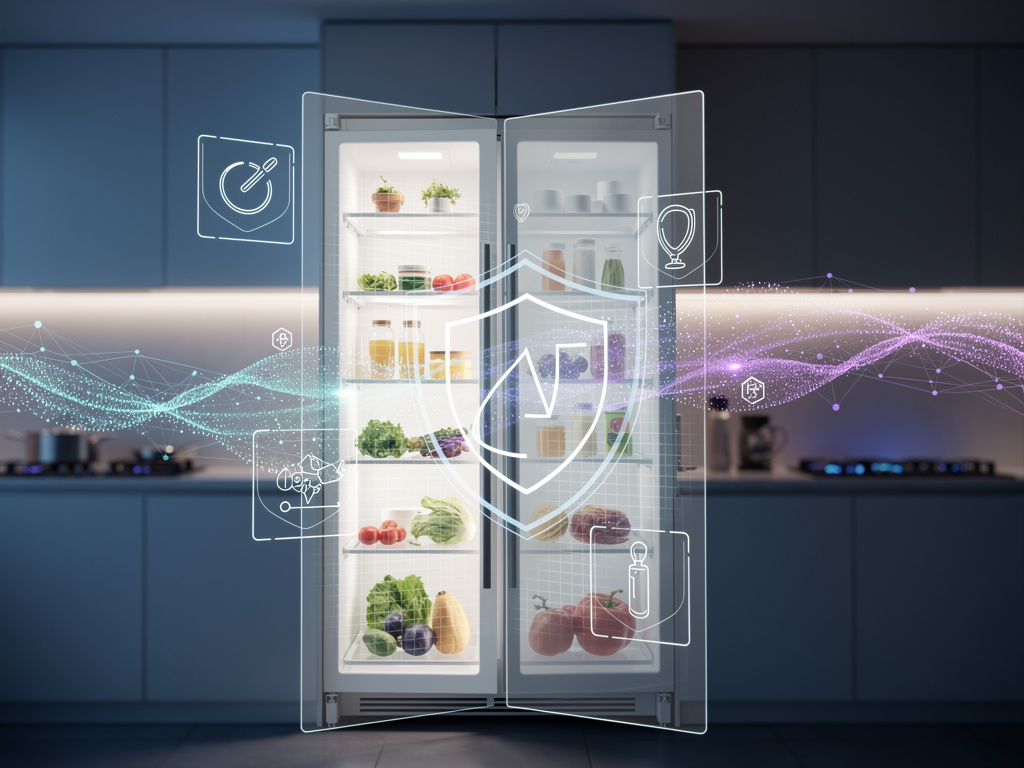
AI on Ice: Google’s Gemini Powers Up the Humble Refrigerator
In the rapidly evolving world of smart home technology, Google’s Gemini AI is making a bold entrance into everyday appliances, starting with something as mundane as the refrigerator. Recent announcements reveal that Samsung plans to integrate Gemini into its Bespoke AI refrigerators, debuting at CES 2026. This move signals a shift toward more intelligent kitchen devices that go beyond basic connectivity, offering features like advanced food recognition and automated inventory management. According to reports from various tech outlets, this integration could redefine how consumers interact with their home appliances, blending artificial intelligence with daily chores in ways that promise greater efficiency.
The push for AI in home appliances isn’t entirely new, but Gemini’s multimodal capabilities—handling text, images, and more—set it apart. Sources indicate that Samsung’s Family Hub refrigerators will leverage Gemini for tasks such as identifying food items through internal cameras, suggesting recipes based on available ingredients, and even tracking expiration dates. This development builds on Google’s earlier launch of Gemini for Home in October 2025, which aimed to enhance Nest devices and other smart home products. As detailed in a post on the Google Blog, Gemini for Home introduces smarter AI features that make devices more intuitive and responsive.
Industry experts see this as part of a broader trend where AI moves from smartphones and assistants into the core of household operations. For instance, the integration allows the refrigerator to communicate seamlessly with other smart devices, creating a cohesive ecosystem. Privacy concerns, however, loom large, with some reports highlighting potential issues with data collection from kitchen cameras. Despite these worries, the promise of reduced food waste and streamlined grocery shopping appears to outweigh the drawbacks for many consumers.
From Concept to Kitchen Counter
Samsung’s announcement, detailed in a recent article from WebProNews, specifies that the debut will include the Family Hub refrigerators and a new AI Wine Cellar. These appliances will use Gemini to provide advanced food recognition, inventory tracking, recipe suggestions, and even wine pairings. This isn’t just about gimmicks; it’s about practical applications that could save time and money. Imagine a fridge that not only reminds you when milk is low but also adds it to your shopping list via integration with apps like Google Home.
Further insights come from Gadgets 360, which notes improvements in vision-based AI for better label reading and automatic grocery management. This technology expands on Samsung’s existing Bixby AI but elevates it with Gemini’s superior processing power. Posts on X reflect growing excitement, with users discussing how such features could transform meal planning, especially for busy households. One sentiment echoed across social media is the potential for these smart fridges to act as central hubs for family nutrition and organization.
Google’s strategy here aligns with its broader AI ambitions. As outlined in the Google Developers Blog, the company is enabling partners like Samsung to build next-generation AI devices. This partnership could accelerate adoption, given Samsung’s dominance in the appliance market. Analysts predict that by integrating Gemini, these refrigerators might reduce household food waste by up to 20%, based on preliminary studies from similar tech implementations.
Technical Underpinnings and Challenges
Diving deeper into the technology, Gemini’s ability to process multimodal inputs means it can analyze images from the fridge’s camera in real-time. For example, it can distinguish between different types of produce and estimate freshness levels. This is a step up from previous smart fridges that relied on manual input or basic barcode scanning. According to Android Authority, the integration starts with Samsung’s new models, potentially expanding to other appliances like microwaves and ranges.
However, implementing such AI isn’t without hurdles. Bugs and privacy issues are frequently mentioned in coverage, such as in the WebProNews piece, which cautions that while the tech promises efficiency, early adopters might encounter glitches. Data security is paramount, especially with cameras inside appliances capturing images of personal items. Google has emphasized robust privacy controls in its Gemini for Home launch, but skeptics argue that constant connectivity could expose users to risks.
On the benefits side, recipe suggestions powered by Gemini could personalize cooking experiences. If the fridge detects ingredients for a salad but notices wilting lettuce, it might suggest alternatives or alert the user. This level of intelligence draws from Google’s vast data resources, making the AI more accurate over time through machine learning. Industry insiders note that this could pressure competitors like LG or Whirlpool to accelerate their own AI integrations.
Ecosystem Expansion and Market Impact
The collaboration between Google and Samsung extends beyond refrigerators. Reports from The Times of India highlight that CES 2026 will feature a lineup of Gemini-powered kitchen appliances, including those with enhanced AI vision. This move positions Google to dominate the smart home AI space, building on its Nest ecosystem.
Social media buzz on X underscores consumer interest, with posts praising the potential for automated features that simplify life. For instance, discussions around inventory tracking suggest it could integrate with delivery services, automatically ordering staples when stocks run low. This seamless connectivity is a key selling point, as noted in various tech analyses.
Market implications are significant. With Samsung’s global reach, Gemini could quickly become a standard in premium appliances. Pricing details are scarce, but experts anticipate these models will command a premium, targeting tech-savvy consumers. The integration also opens doors for developers, as Google’s program encourages third-party innovations, potentially leading to custom apps for dietary tracking or allergy management.
Consumer Perspectives and Future Prospects
From a user standpoint, the appeal lies in convenience. A SamMobile article details how Gemini surpasses Bixby in natural language processing, making interactions more fluid. Imagine asking your fridge for dinner ideas via voice command, and it responds with tailored recipes, considering dietary preferences pulled from linked profiles.
Yet, not all feedback is positive. Some X posts express sarcasm about over-engineering appliances, questioning if we really need AI in our fridges. Privacy advocates worry about data sharing between Google and Samsung, potentially leading to targeted ads based on eating habits. Despite this, the technology’s benefits in reducing waste and aiding sustainability efforts are compelling, aligning with global pushes for eco-friendly living.
Looking ahead, this integration could pave the way for AI in other home areas, like laundry or HVAC systems. Google’s roadmap, as shared in its blog posts, suggests ongoing expansions. For industry players, the challenge is to balance innovation with user trust, ensuring that AI enhancements genuinely improve lives without compromising security.
Innovation at the Heart of Home
As CES 2026 approaches, anticipation builds for hands-on demos of these Gemini-powered devices. GizChina explores how the AI reads labels and manages groceries automatically, potentially making fridges smarter than some smartphones in specific tasks. This hyper-specialization is key to Gemini’s success in niche applications.
Competitive dynamics are shifting too. While Samsung leads with this integration, Google’s open platform could attract other manufacturers, fostering a more interconnected smart home environment. Economic factors, such as component costs and supply chains, will influence adoption rates, but early indicators point to strong demand in urban markets.
Ultimately, Gemini’s foray into refrigerators exemplifies how AI is infiltrating every corner of daily life. By addressing real-world problems like food management, it stands to gain widespread acceptance. As one X post aptly put it, this could make the kitchen the smartest room in the house, blending technology with tradition in unexpected ways.
Beyond the Buzz: Real-World Applications
Delving into practical scenarios, consider a family where Gemini tracks nutritional intake, suggesting balanced meals. This feature, highlighted in TechRadar, could be particularly useful for health-conscious users or those with dietary restrictions. The AI’s ability to learn from user habits ensures increasingly accurate recommendations over time.
Integration with broader ecosystems amplifies its value. Linking to Google Home allows voice-controlled operations across devices, from adjusting fridge temperatures to coordinating with smart ovens for meal prep. This interconnectedness reduces friction in daily routines, a point emphasized in developer-focused discussions.
Challenges remain, including accessibility for non-tech users and ensuring compatibility with existing smart home setups. However, Google’s commitment to updates, as seen in its redesigned Home app, suggests ongoing improvements. For insiders, this represents a pivotal moment where AI transitions from novelty to necessity in home appliances.
Strategic Alliances and Long-Term Vision
The Google-Samsung partnership is strategic, leveraging each company’s strengths: Google’s AI prowess and Samsung’s hardware expertise. As reported in The Times of India, this alliance could extend to more appliances, creating a unified AI-driven home experience.
On X, industry watchers speculate about future expansions, like AI in dishwashers for optimized cycles based on load types. Such innovations could drive market growth, with projections estimating the smart appliance sector to expand significantly by 2030.
In essence, Gemini’s integration into refrigerators is more than a tech upgrade; it’s a glimpse into a future where AI anticipates needs, making homes more efficient and intuitive. As developments unfold, the industry will watch closely to see if this chills the competition or heats up innovation.


 WebProNews is an iEntry Publication