
Google’s Gesture of Connection: Unveiling Android’s Sleek Rival to NameDrop
In the ever-evolving world of smartphone technology, where seamless interactions define user experience, Google is poised to introduce a feature that could transform how Android users share contact information. Drawing inspiration from Apple’s NameDrop, which debuted with iOS 17 in 2023, this new Android capability promises to simplify the exchange of details like phone numbers and emails with just a tap. Recent leaks and beta tests reveal not only the core functionality but also a polished animation that enhances the visual appeal, signaling Google’s commitment to intuitive design.
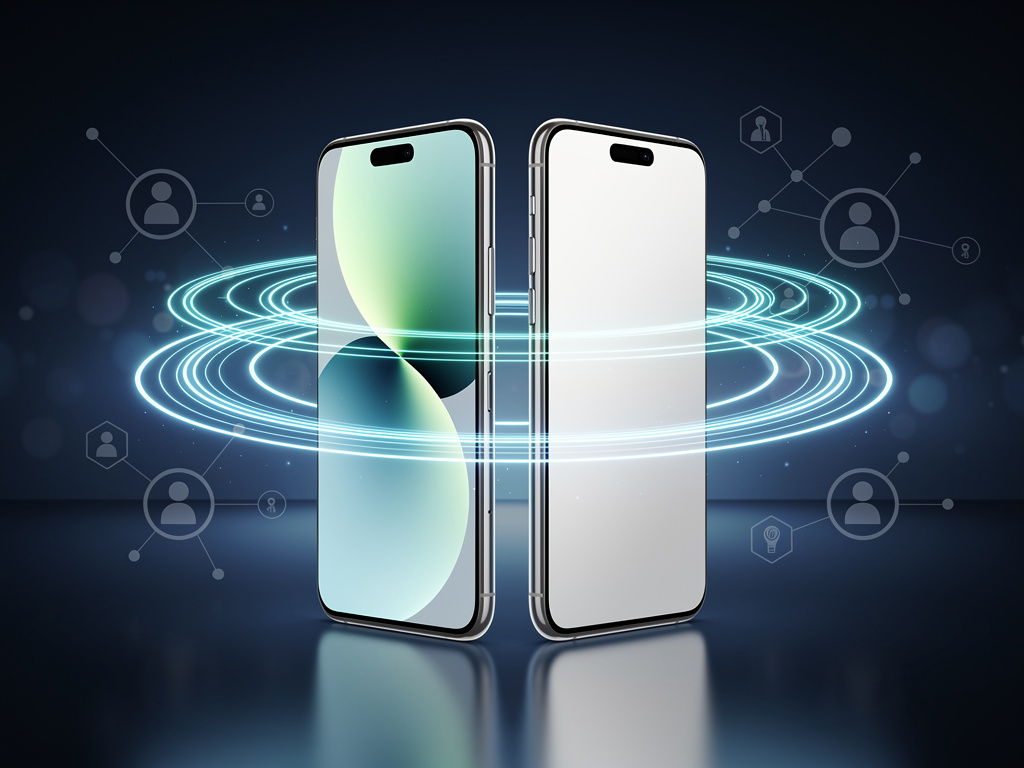
At its heart, the feature, tentatively known as Gesture Exchange or Contact Exchange, leverages Near Field Communication (NFC) technology. Users would simply bring two compatible Android devices close together, triggering an automatic detection and sharing process. This mirrors the convenience of Apple’s system, where iPhones or Apple Watches tap to swap contacts effortlessly. According to reports from Digital Trends, the latest development includes a new animated interface that activates upon phone contact, confirming NFC detection with a slick visual cue.
While the full exchange functionality isn’t operational yet in beta versions, the animation’s emergence suggests rapid progress. Industry observers note that this could be part of a broader push by Google to unify sharing experiences across its ecosystem, building on existing tools like Nearby Share, now rebranded as Quick Share. The animation, described as brief and elegant, appears around the edges of the devices, providing immediate feedback that the connection is established.
Evolution from Concept to Beta
The journey of this feature began surfacing in late 2024, with initial hints buried in Google Play Services updates. Developers and enthusiasts dissecting beta versions, such as 25.49.31, have enabled the animation on devices like the Pixel 9 and POCO F6. As detailed in coverage from Android Authority, bringing phones together activates a short, fluid animation that hints at the underlying technology’s readiness, even if the actual data transfer lags behind.
This isn’t Google’s first foray into proximity-based sharing. Nearby Share, introduced in 2020 as an AirDrop alternative, allowed file transfers between Android devices and even Windows PCs. Posts on X (formerly Twitter) from that era, including announcements by Android Authority and XDA Developers, highlighted its rollout and features like number verification for secure connections. The new contact-sharing tool builds on this foundation, focusing specifically on personal details rather than general files.
Comparisons to Apple’s NameDrop are inevitable. Apple’s feature, which also uses NFC and requires devices to be in close proximity, includes a charming animation of glowing particles that dance between screens. Google’s version, codenamed Gesture Exchange, appears to borrow similar visual flair, as noted in a report from Beebom Gadgets. Yet, Google’s implementation might extend beyond contacts, potentially integrating with Quick Share for broader media exchanges.
Technical Underpinnings and Challenges
Diving deeper into the mechanics, the feature relies on NFC chips embedded in most modern smartphones. When two devices detect each other, the system initiates a secure handshake, ensuring data is shared only with user consent. Early tests indicate that the animation serves as a confirmation step, reducing user confusion during the process. However, as Android Police points out, the non-functional exchange in current betas underscores that the feature is still in early development stages.
Security remains a paramount concern. Unlike casual file sharing, contact information involves personal data, raising privacy implications. Google is likely incorporating safeguards similar to those in Quick Share, such as visibility settings and verification prompts. Insights from X posts, where users discuss the evolution of Nearby Share, reveal community enthusiasm for robust privacy features, with some referencing the 2020 beta rollouts that emphasized end-to-end encryption.
Moreover, compatibility across the fragmented Android ecosystem poses challenges. While Apple’s NameDrop works seamlessly within its walled garden, Google’s version must accommodate devices from manufacturers like Samsung, Google, and others. Reports suggest integration with Google Play Services ensures wide availability, potentially reaching Android 6.0 and above, echoing the broad rollout of Nearby Share as chronicled in historical X updates from XDA.
Market Implications and User Adoption
As this feature inches closer to release, its potential impact on user behavior is significant. In professional settings, quick contact sharing could streamline networking, much like how NameDrop has been praised in social scenarios. A Reddit thread from r/IndiaTech, dating back to 2023, sparked discussions on desired cross-platform features, with users expressing envy for NameDrop’s simplicity and suggesting Android equivalents.
Google’s timing aligns with broader industry trends toward gesture-based interactions. The company’s history of iterating on sharing tools—evident in the 2024 rebranding of Nearby Share to Quick Share, as announced in X posts by users like Pratik Rai—positions this as a natural evolution. By adding animations, Google enhances the tactile feedback, making the digital interaction feel more physical and engaging.
Looking ahead, integration with other Google services could amplify its utility. Imagine tapping phones to share not just contacts but also calendar invites or collaborative documents. While speculative, such expansions are hinted at in analyses from Bill Clark Foundation, which explains Gesture Exchange as a simplified contact-sharing mechanism inspired by Apple.
Innovation in Animation Design
The animation itself warrants closer examination. Described as “slick” and “polished,” it features subtle visual effects that confirm detection without overwhelming the user. In a video shared via Android Authority’s coverage, the animation encircles the contact point, glowing briefly to signal success. This design choice draws from user interface principles emphasizing minimalism and immediacy, contrasting with more elaborate effects in some competing features.
Feedback from early testers, as gleaned from recent X posts by AssembleDebug and Digital Trends, highlights the animation’s appeal. One post notes its similarity to NameDrop, suggesting Google is not shying away from proven aesthetics while adapting them to Android’s Material You design language. This could help in user education, teaching through visuals how the feature works without lengthy tutorials.
However, animations aren’t just cosmetic; they play a role in accessibility. For users with visual impairments, the confirmation might integrate with haptic feedback or voice cues, though details remain scarce. Broader discussions on X, including multilingual posts like one from caleidoscópio, praise NameDrop’s animation for its charm, indicating high expectations for Google’s counterpart.
Competitive Dynamics and Future Prospects
In the competitive arena of mobile operating systems, this development underscores Google’s strategy to close gaps with Apple. While Android boasts greater customization, features like NameDrop have given iOS an edge in effortless sharing. Google’s response, as outlined in a ExtremeTech article from November 2025, involves NFC activation for proximity-based exchanges, potentially rolling out in an upcoming Android update.
Cross-platform aspirations add intrigue. Although currently Android-centric, future iterations might extend to Chromebooks or Windows devices via Quick Share integrations, building on announcements from 2024 X posts. This could create a more cohesive ecosystem, challenging Apple’s dominance in seamless device interactions.
User sentiment, captured in recent X activity, shows excitement mixed with impatience. Posts from Tech Foogle and Saudi Android discuss the feature’s readiness, with some linking to animations that mimic NameDrop’s fluidity. As Google refines this, it could redefine social exchanges in digital spaces.
Broader Ecosystem Integration
Beyond standalone functionality, Gesture Exchange might tie into Google’s AI-driven initiatives. With advancements in on-device processing, the feature could intelligently suggest shares based on context, like detecting a business meeting via calendar data. While not confirmed, such enhancements align with trends in predictive technology.
Challenges in global rollout include varying NFC adoption rates and regulatory hurdles on data privacy. In regions like Europe, GDPR compliance will be crucial, potentially delaying launches. Insights from Android Central highlight hints in Google Play Services updates, suggesting a phased introduction.
Ultimately, this feature represents Google’s ongoing quest for parity and innovation. By blending familiar mechanics with unique twists, it could captivate users weary of manual input methods.
Anticipated Rollout and Industry Reactions
Speculation on release timelines points to integration in Android 16 or a feature drop for existing devices. Beta testers’ experiences, shared on platforms like X, indicate polishing phases, with full functionality expected soon. Industry insiders view this as a step toward unified sharing protocols, possibly influencing standards bodies.
Reactions from competitors are muted, but Samsung’s history of custom features might lead to enhancements in its One UI skin. Broader tech discourse, including TechTimes coverage, emphasizes the convenience of tap-to-share for contacts, emails, and photos.
As development progresses, the animation’s role in user delight cannot be overstated. It transforms a mundane task into an engaging moment, potentially boosting adoption rates.
Refining the User Experience
In-depth analysis reveals how such features influence daily workflows. For professionals, quick shares at conferences could replace business cards, reducing environmental impact. Socially, it facilitates connections at events, echoing NameDrop’s real-world applications discussed in older Reddit threads.
Google’s design philosophy, emphasizing accessibility, ensures the feature works across device orientations and cases. The animation’s brevity prevents battery drain, a common concern in NFC interactions.
Looking forward, expansions to include payment details or app links could broaden its scope, though privacy safeguards would be essential. This positions Android as a forward-thinking platform, ready to adapt to user needs.
The emergence of this NameDrop alternative encapsulates the dynamic interplay between innovation and imitation in tech. By enhancing core sharing with visual finesse, Google not only catches up but sets the stage for future advancements in interpersonal digital connections. As betas evolve into stable releases, the true test will be in user hands, where seamless experiences win loyalty.


 WebProNews is an iEntry Publication