
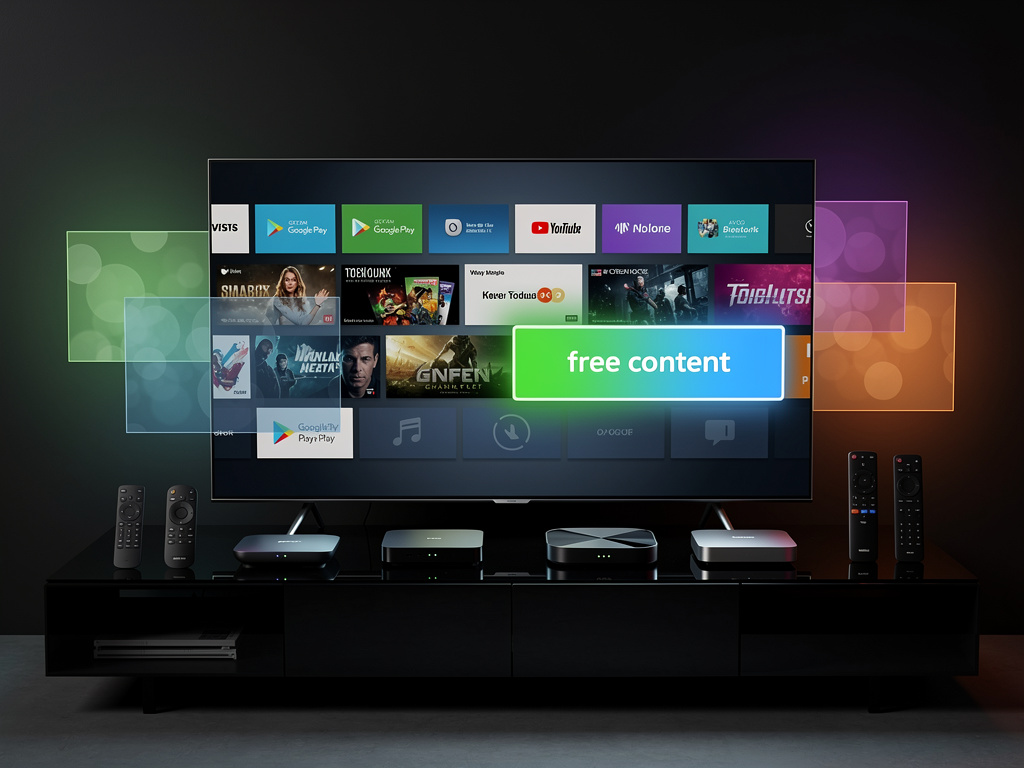
Android TV’s Quiet Revolution: Swapping Discovery for a Free Content Oasis
In the ever-evolving world of streaming television, Google has made a subtle yet significant adjustment to its Android TV platform, replacing the longstanding Discover tab with a new Free tab dedicated entirely to no-cost content. This change, rolling out across devices, signals a strategic pivot toward highlighting free movies, shows, and live channels in a single, accessible hub. For users accustomed to navigating a mix of paid and promotional recommendations, the update promises a streamlined experience focused on gratis offerings, potentially reshaping how audiences engage with ad-supported streaming.
The shift comes at a time when free, ad-based video on demand (AVOD) services are gaining traction amid rising subscription costs. According to reports from industry observers, the Free tab aggregates content from various providers, making it easier for viewers to dive into available options without sifting through personalized suggestions that often prioritize premium services. This move aligns with broader trends in the streaming sector, where platforms like Pluto TV and Tubi have popularized free viewing models.
Google’s decision to overhaul the interface on Android TV, which powers a range of smart TVs and set-top boxes, underscores the company’s ongoing efforts to keep the older platform relevant even as it pushes its newer Google TV experience. The update has been spotted on devices from brands like Sony and TCL, indicating a server-side rollout that doesn’t require manual updates from users.
The Mechanics of the Makeover
At its core, the Free tab functions as a centralized repository for all things complimentary, pulling in movies, TV episodes, and live channels from integrated apps and services. Unlike the Discover tab, which blended algorithmic recommendations with promotional content, this new section emphasizes immediacy and accessibility. Users can browse categories such as free movies or live TV without the noise of subscription prompts.
Insights from Android Central highlight that the tab’s design draws inspiration from similar features in competing ecosystems, like Amazon’s Fire TV, which introduced its own Free tab back in 2020 to curate no-cost content. This cross-platform influence suggests Google is borrowing successful ideas to enhance user retention on Android TV.
Furthermore, the rollout appears to be gradual, with some users reporting the change on older devices while others await it. This phased approach allows Google to monitor feedback and make adjustments, ensuring the feature resonates with a diverse user base spanning budget-conscious households to tech enthusiasts.
Implications for Content Providers
For content creators and distributors, the introduction of the Free tab could amplify visibility for AVOD offerings, potentially driving higher engagement and ad revenue. By dedicating prime real estate on the home screen to free content, Google is effectively funneling traffic toward partners like YouTube’s free tiers or third-party channels, which might otherwise get lost in a sea of options.
Analysts note that this update arrives amid a surge in free streaming popularity, as evidenced by Google’s own expansions in this area. A post on X from Google in 2023 announced over 800 free channels on Google TV, a precursor to these interface tweaks that aimed to make “nothing on TV” a thing of the past. Such integrations reflect a calculated response to consumer fatigue with multiple paid subscriptions.
Moreover, the change might pressure premium services to rethink their strategies, as users could gravitate toward free alternatives highlighted prominently. Industry insiders suggest this could lead to more hybrid models where free tiers serve as entry points to paid content, blurring the lines between AVOD and subscription video on demand (SVOD).
User Experience Enhancements
From a user perspective, the Free tab simplifies discovery, reducing the friction often associated with finding affordable entertainment. Early adopters have praised the intuitive layout, which categorizes content by genre or type, making it akin to a virtual channel guide for the digital age. This is particularly beneficial for cord-cutters who rely on over-the-air broadcasts or streaming freebies.
Drawing from coverage in Android Authority, the hub not only lists free movies and shows but also incorporates live channels, creating a one-stop shop that rivals dedicated apps. This consolidation could encourage longer viewing sessions, as users no longer need to app-hop to access scattered free content.
However, not all feedback is uniformly positive. Some users on X have expressed nostalgia for the Discover tab’s personalized recommendations, which used viewing history to suggest tailored content. The shift to a more static free-focused tab might feel like a step back for those who valued algorithmic curation over blanket free access.
Competitive Dynamics in Streaming
Google’s update positions Android TV more competitively against rivals like Roku and Amazon Fire TV, both of which have long emphasized free content discovery. For instance, Fire TV’s Free tab, as announced in a 2020 X post by Amazon, curated content from multiple apps, setting a precedent that Google now emulates. This convergence highlights how interface design is becoming a battleground in the fight for living room dominance.
In the broader ecosystem, the Free tab’s emergence coincides with Google’s push for Google TV Freeplay, which offers free live TV channels. A 2024 X update from Google detailed new features including access to free live TV, underscoring a consistent strategy to bolster no-cost options across its platforms.
Competitors are responding in kind. Services like JioTV+, now available on Android TV as noted in X discussions, provide free downloads and extensive channel lineups, intensifying the race to capture free-streaming audiences. This environment fosters innovation, with platforms vying to offer the most seamless and comprehensive free experiences.
Technological Underpinnings
Behind the scenes, the Free tab leverages Android TV’s underlying architecture to aggregate content metadata from various sources, ensuring real-time updates without taxing device resources. This relies on Google’s robust backend systems, which process viewing data to suggest free content—though less personalized than the old Discover tab, as per details from 9to5Google.
The update also ties into broader AI integrations, where generative tools could eventually enhance content recommendations within the Free hub. For now, it focuses on straightforward aggregation, but future iterations might incorporate machine learning to refine suggestions based on user preferences.
From a development standpoint, this change reflects Google’s commitment to maintaining Android TV’s viability, even as Google TV takes center stage. Reports indicate that while Google TV receives more frequent updates, Android TV still sees meaningful improvements, ensuring longevity for millions of devices worldwide.
Market Trends and Future Prospects
The timing of this rollout aligns with a growing appetite for free content, driven by economic pressures and subscription overload. Data from various sources show AVOD revenues surging, with platforms like Tubi reporting record viewership. By prioritizing free options, Google taps into this trend, potentially increasing platform stickiness and ad impressions.
Looking ahead, industry experts speculate that the Free tab could evolve to include more interactive elements, such as user-generated content or integrated shopping features. X posts from tech enthusiasts, like those praising ad-free alternatives on Android TV, suggest a community eager for enhancements that blend free access with premium-like quality.
Additionally, this update might influence hardware partners, encouraging TV manufacturers to highlight Android TV’s free content capabilities in marketing. As smart TVs become ubiquitous, such features could differentiate Google’s ecosystem in a crowded market.
Global Rollout and User Adoption
The international scope of the update is noteworthy, with reports of the Free tab appearing on devices in regions beyond the U.S. Coverage from NerdsChalk details how it brings free movies, shows, and live channels under one roof, appealing to global audiences where paid streaming adoption varies.
User adoption will likely hinge on how well the tab integrates with existing habits. For instance, those using apps like SmartTube for ad-free YouTube on Android TV, as discussed in X communities, might find the Free tab a complementary tool rather than a replacement.
Challenges remain, such as ensuring content diversity and avoiding over-reliance on ads, which could deter viewers. Yet, the overall reception, based on recent X buzz from outlets like Android Central, points to enthusiasm for this user-friendly shift.
Strategic Insights for Industry Players
For streaming executives, Google’s move offers lessons in interface optimization. By dedicating space to free content, platforms can boost engagement without alienating paying users. This balanced approach, as seen in Android Headlines, uses viewing data to suggest free options, potentially converting casual viewers to subscribers.
Partners stand to gain from increased exposure, but must navigate the dynamics of content placement within the tab. Negotiations with Google could become key, as prime spots drive viewership.
Ultimately, this update reinforces Android TV’s role in democratizing access to entertainment, setting the stage for further innovations in free streaming.
Ecosystem Integration and Beyond
Integrating the Free tab with other Google services, such as YouTube and Google Photos, could create a more cohesive experience. Recent announcements tie in features like AI-generated screensavers, enhancing the overall appeal of Android-powered devices.
As the platform matures, expect more cross-pollination with emerging technologies, like voice assistants for content discovery. This positions Android TV not just as a viewing portal, but as a hub for smart home entertainment.
In the grand scheme, this seemingly minor tab swap encapsulates larger shifts toward accessible, ad-supported media, promising a future where free content is front and center in the streaming narrative.


 WebProNews is an iEntry Publication