
Invalid clicks drain budgets. They distort data. And they leave advertisers questioning every metric in their Google Ads accounts.
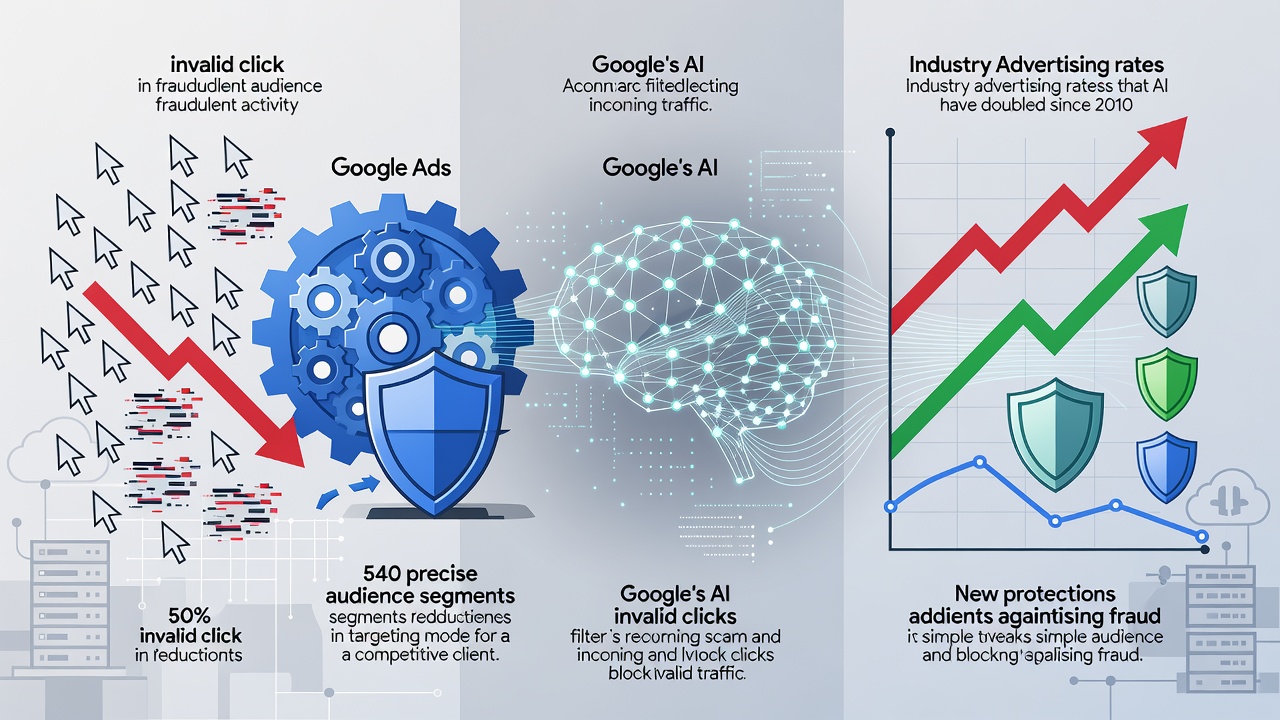
One agency found a fix that surprised even its own team. By layering hundreds of Google-defined audiences directly into targeting settings, it cut invalid activity by 50% for a client in a cutthroat sector. The change didn’t just lower waste. It turned unprofitable campaigns into steady performers.
The numbers tell a troubling story across the industry. A February study pegged the average invalid click rate at 11.4% across more than 43,700 Google Ads accounts. Fraud Blocker produced the data. (Fraud Blocker). Back in 2010 the figure sat at 5.9%. By 2024 it had more than doubled to 12.3%. Search Engine Land reported the trend in March. Sophisticated bots and malware drive much of the increase. They slip past basic filters with growing ease.
Google itself acknowledges the problem. Last August the company detailed fresh AI techniques that delivered a 40% drop in certain types of invalid traffic. Large language models now scan behavioral patterns more effectively than earlier systems. Per Bjorke, director of product management for Ad Traffic Quality, put it plainly. “Invalid traffic — ad activity that doesn’t come from a real person with genuine interest — wastes ad budgets and erodes trust.” The post appeared on the official Google Ads & Commerce Blog.
Yet Google’s automated protections don’t catch everything. Third-party click-fraud tools often fall short too. Advertisers keep searching for practical edges. The recent Search Engine Land case study offers one that stands out for its simplicity and speed.
The client sold book editing and ghostwriting services. Competition ran hot. Cost per click stayed high. Search terms looked relevant on paper. Actual traffic told another story. Google reported invalid click rates between 60% and 80%. Microsoft Clarity heatmaps showed bot-like patterns. Some keywords posted click-through rates above 100%. Analytics platforms recorded far fewer sessions than Google Ads clicks suggested.
The agency first turned to external fraud blockers. No measurable lift. It filed a formal complaint with Google. The response confirmed suspicious patterns but insisted all bad clicks had already been filtered. Charges hadn’t occurred. The team didn’t buy it.
They tested something different. They added 540 Google-defined audiences to the Search campaigns. Not as observation layers. They set every one to strict targeting mode. Ads would serve only to users whose profiles matched both the keywords and at least one audience.
Results came fast. Invalid clicks fell by half. Conversion rates climbed into profitable territory. The campaigns stabilized. John Horn, CEO of StubGroup, described the outcome in the July 2 Search Engine Land article. His agency ran the test. Horn leads a Google Premier Partner shop that manages hundreds of millions in spend.
Why did this audience filter succeed where other defenses failed? Fraudsters often cycle through fresh IP addresses via VPNs. They rarely invest time building realistic behavioral histories that align with Google’s demographic and interest audiences. Luxury shoppers, frequent travelers, or specific hobbyists leave digital footprints. Bots chasing volume don’t always bother.
Setting audiences to “Targeting” instead of “Observation” matters. Observation merely reports differences. Targeting restricts delivery. The approach carries risks. Legitimate users outside those audience buckets might get blocked. Horn recommends it only for accounts already showing elevated invalid activity. Test carefully. Monitor reach and conversion quality.
Google does refund or withhold charges for many invalid clicks it detects. The Invalid Activity Credit Report now gives advertisers clearer visibility into those adjustments. A June Search Engine Land piece highlighted Google’s updated documentation on the tool. Still, proactive steps beat waiting for credits.
Other proven moves include switching location targeting from “presence or interest” to “presence” only. This blocks ads from showing to distant users who merely searched related terms. Multiple experts on LinkedIn, Reddit, and CHEQ’s blog echo the advice. One ClickGuardian post from March called it “the single most impactful free change” an advertiser can make.
But no single tactic solves every case. Industry benchmarks vary. Legal, insurance, and other high-CPC verticals see higher fraud rates. Video Partner placements and broad Display campaigns invite more trouble. Negative keyword lists, placement audits, and time-of-day scheduling all help narrow exposure.
Google continues to invest. Its Ad Traffic Quality team works with researchers at DeepMind. New models target deceptive ad-serving practices and sophisticated invalid traffic that mimics humans. The 40% reduction Google cited covers a specific slice of the problem. Broader invalid click rates still climb.
Advertisers can’t outsource all responsibility. They must review their own data. Compare Google Ads clicks against analytics sessions. Watch for sudden CTR spikes without matching conversion gains. Add the invalid clicks column at campaign level. File investigations when patterns look off.
The StubGroup experiment proves one truth. Sometimes the most effective defense hides in plain sight inside existing platform tools. Audiences weren’t built as fraud filters. Yet applied creatively they delivered immediate relief. Half the invalid activity. Real profitability restored.
Expect more experiments like this. As fraud grows more inventive, so must the people paying the bills. Tight targeting. Better data reconciliation. And occasional willingness to try counterintuitive settings. Those who adapt fastest will protect their budgets best.


 WebProNews is an iEntry Publication