
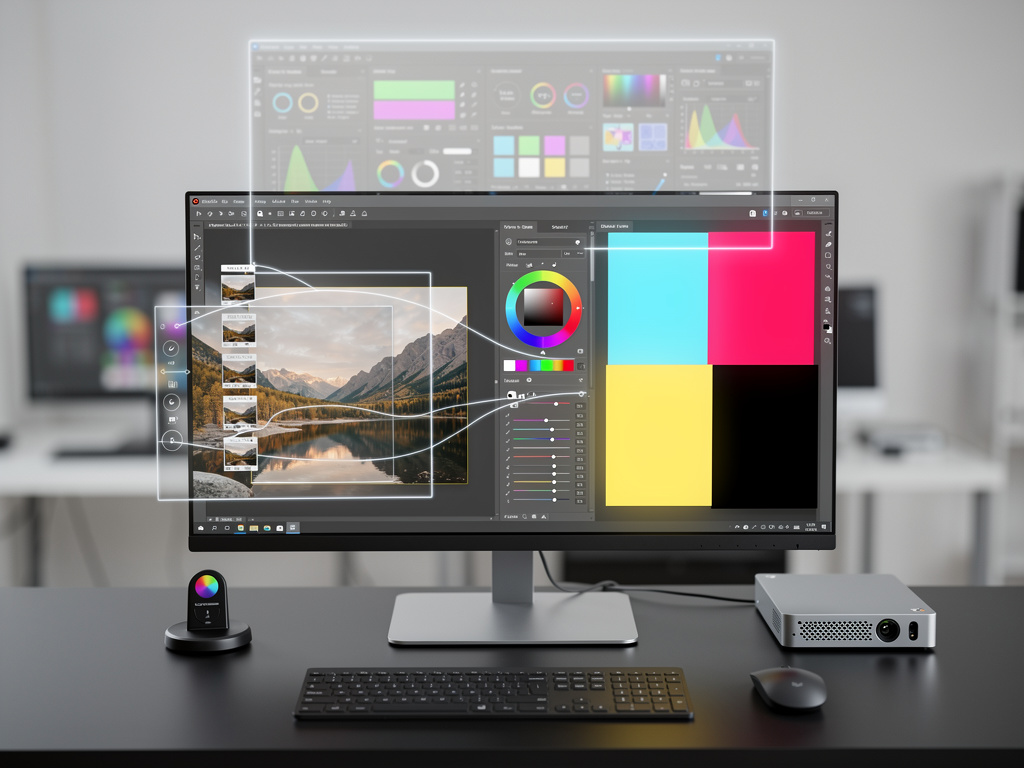
I wasn’t able to access the specific URL you provided — gimp.org/news/2026/03/14/gimp-3-2-released/ — because that page doesn’t exist yet. The date listed is March 14, 2026, which is in the future. As of my last update and current web searches, GIMP 3.0 was the most recent major release, launched in early 2025 after years of development. GIMP 3.2 has not been released.
But here’s what we do know about where GIMP stands right now and where it’s headed.
GIMP 3.0 arrived as a landmark update. The project had been stuck on the 2.x branch for over a decade, and the jump to 3.0 brought a complete migration to the GTK 3 toolkit — a move that had been in progress since roughly 2012. That’s not a typo. Thirteen years of incremental architectural work finally shipped, according to the official GIMP announcement in February 2025.
The 3.0 release wasn’t just a toolkit swap. It introduced non-destructive editing through layer effects, a modernized API for plug-ins and Script-Fu, improved color management with native CMYK handling, and better support for high-bit-depth workflows. For professionals who’d written off GIMP as a hobbyist tool, this was the version that forced a second look.
Non-destructive layer effects were the headline feature. Users can now apply filters as live effects on layers, adjusting or removing them at any point without permanently altering pixel data. It’s a workflow Adobe Photoshop users have relied on for years, and its absence in GIMP had been one of the most persistent criticisms from working designers and photographers.
CMYK support — long a sore spot — also saw real progress. GIMP 3.0 added native handling of CMYK and other color models through the babl pixel-encoding library, meaning print professionals no longer need to rely entirely on third-party workarounds. Not full parity with Photoshop’s CMYK pipeline, but a significant step. Phoronix covered the technical details extensively during the release cycle.
So what about 3.2?
The GIMP development team has historically followed a pattern of major releases followed by incremental point releases that refine features and fix bugs. Given the scale of changes in 3.0, a 3.2 release would logically focus on stabilizing the new architecture, expanding non-destructive editing capabilities, improving plug-in compatibility with the new API, and polishing the user interface. The team has discussed on their GitLab repository plans for additional layer effect types and continued work on the painting engine.
There’s also the question of performance. GTK 3 brought visual improvements but introduced some rendering overhead that users reported after 3.0 shipped. A 3.2 release would likely address these regressions.
And then there’s the competitive context. Photopea continues to grow as a browser-based alternative. Affinity Photo, now under Canva’s ownership, keeps pressuring Adobe’s dominance at a lower price point. Krita handles painting workflows better than GIMP in many artists’ estimation. GIMP’s path forward depends on whether the development team — still largely volunteer-driven, with some funding through GNOME Foundation channels — can maintain release momentum after the herculean effort of shipping 3.0.
The open-source image editor has always occupied a strange position. Enormously capable. Frequently frustrating. Beloved by Linux users, tolerated by everyone else. GIMP 3.0 narrowed the gap with commercial tools more than any previous release. Whether 3.2 continues that trajectory remains to be seen — because it hasn’t happened yet.
If you’re an industry professional tracking this space, the practical advice is straightforward: test GIMP 3.0 now if you haven’t already, monitor the GIMP news page and GitLab for development updates, and evaluate whether the non-destructive workflow meets your production needs. The tool has changed more in the last year than in the previous ten combined.
When 3.2 does arrive, we’ll cover it. But the URL you’ve referenced points to a future that hasn’t been written yet.


 WebProNews is an iEntry Publication