
The Phantom Link: Unmasking GhostPairing’s Stealth Assault on WhatsApp Security
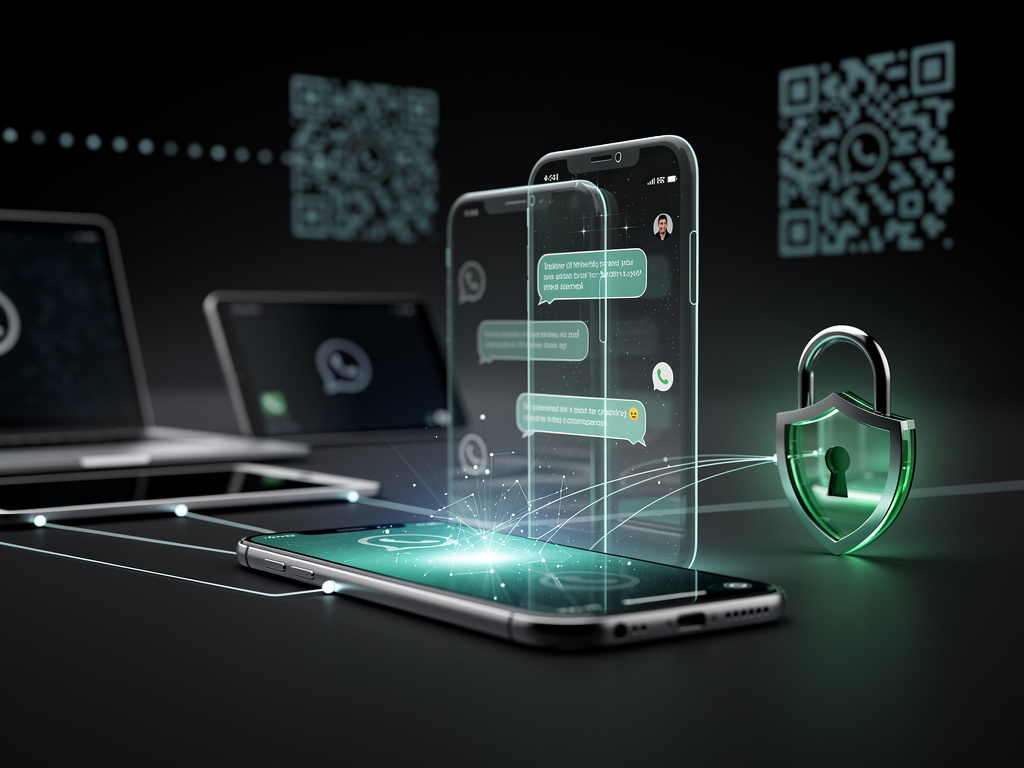
In the ever-evolving world of digital threats, a new menace has emerged that exploits the very features designed to make messaging seamless. Dubbed GhostPairing, this attack vector allows cybercriminals to seize control of WhatsApp accounts armed with nothing more than a victim’s phone number. Unlike traditional hacks that rely on password breaches or malware injections, GhostPairing hinges on clever social engineering tactics combined with abuse of WhatsApp’s device linking functionality. This method enables attackers to add their own devices to a victim’s account invisibly, granting them full access to messages, contacts, and even the ability to impersonate the user.
The attack’s ingenuity lies in its subtlety. Attackers initiate the process by posing as trusted contacts or using phishing lures to trick users into sharing verification codes or completing pairing steps. Once linked, the intruder’s device operates in the background, often without triggering alerts on the victim’s primary phone. This “ghost” presence can persist indefinitely, allowing for eavesdropping, data exfiltration, or further scams. Recent reports highlight how this technique has been weaponized in widespread campaigns, affecting users globally and underscoring vulnerabilities in one of the world’s most popular messaging apps.
As WhatsApp boasts over two billion users, the implications of such an exploit are profound. Security researchers have noted that GhostPairing doesn’t require sophisticated technical skills, making it accessible to a broad range of threat actors, from individual scammers to organized crime groups. The attack bypasses end-to-end encryption by gaining legitimate access through the app’s own mechanisms, effectively turning a security feature into a liability.
Mechanics of the GhostPairing Exploit
To understand GhostPairing, it’s essential to delve into WhatsApp’s device linking system. Introduced to allow users to access their accounts on multiple devices like computers or tablets, this feature uses QR codes or verification prompts for pairing. In a GhostPairing scenario, attackers manipulate victims into initiating this process unwittingly. For instance, a phishing message might claim there’s an issue with the account and urge the user to scan a provided QR code or enter a code, which actually links the attacker’s device.
According to a detailed analysis by Cybersecurity News, the attack begins with social engineering ploys that exploit trust. Victims receive messages from seemingly familiar numbers, often spoofed or hijacked from other accounts, requesting assistance with “verification.” By complying, users inadvertently grant access, and the linked device remains hidden unless the victim manually checks their settings.
This isn’t a zero-day vulnerability but an abuse of existing functionality. WhatsApp’s design assumes users will recognize suspicious requests, yet human error proves to be the weak link. Researchers point out that once paired, attackers can read real-time messages, send texts as the victim, and even unlink the original device, locking out the rightful owner.
Global Campaigns and Real-World Incidents
The rise of GhostPairing has been documented in several high-profile reports. A campaign tracked by cybersecurity firm CTM360, detailed in an expose from The Hacker News, revealed thousands of malicious URLs used to drive WhatsApp hijackings through session hijacking and social engineering. These operations, often dubbed “HackOnChat,” target users across continents, with links embedded in deceptive emails or texts that mimic official WhatsApp communications.
Recent news on X (formerly Twitter) reflects growing alarm, with posts from cybersecurity experts warning of the attack’s prevalence. One prominent thread described how attackers use automated scripts to scale these hijackings, turning individual tricks into mass operations. In regions like Europe and Asia, incidents have surged, with victims reporting unauthorized messages sent to their contacts, often soliciting money or sensitive information.
Industry insiders note similarities to past threats, such as the 2019 NSO Group exploit that infected devices via missed calls, as referenced in historical posts on X. However, GhostPairing stands out for its low barrier to entry—no advanced spyware needed, just persuasion and timing.
Social Engineering: The Core Enabler
At the heart of GhostPairing is social engineering, a tactic that preys on psychological vulnerabilities rather than code flaws. Attackers craft narratives that create urgency or familiarity, such as claiming to be a friend who “accidentally” sent a code or an official from WhatsApp support. This mirrors techniques seen in phishing, but tailored to WhatsApp’s ecosystem.
A report from GBHackers explains how victims are often coerced into sharing one-time passcodes (OTPs) or completing pairing flows under false pretenses. Once access is gained, the attacker can enable two-factor authentication on the hijacked account, further complicating recovery for the victim.
The psychological aspect is amplified by the app’s ubiquity. Users accustomed to quick verifications may not question a seemingly innocuous request, especially if it appears to come from a known contact. This has led to chains of compromises, where one hijacked account is used to target others in the victim’s network.
Defensive Strategies for Users and Enterprises
Protecting against GhostPairing requires vigilance and proactive measures. WhatsApp users should regularly review linked devices in the app’s settings, unlinking any unfamiliar ones immediately. Enabling two-step verification adds a layer of security, though it’s not foolproof if the account is already compromised.
Experts recommend treating all unsolicited verification requests as suspicious. As outlined in a protective guide from The Tidewater News, users should avoid clicking links or scanning QR codes from unknown sources and report suspicious activity promptly. For enterprises, where WhatsApp is often used for business communications, implementing device management policies and employee training on social engineering is crucial.
On a broader scale, WhatsApp’s parent company, Meta, has been urged to enhance detection mechanisms, such as more prominent alerts for new device links or AI-driven anomaly detection. Recent updates have included better visibility for linked sessions, but insiders argue more is needed to counter evolving threats.
Comparative Analysis with Historical Threats
GhostPairing isn’t isolated; it echoes earlier WhatsApp vulnerabilities. For example, the “Erised” exploit linked to NSO Group, as discussed in unredacted court filings shared on X, allowed spyware implantation via calls, even after legal actions against the firm. While that required technical prowess, GhostPairing democratizes account takeovers.
Another parallel is the TekFog app’s reported ability to hijack inactive accounts, per posts on X from cybersecurity analysts. These methods highlight a pattern: messaging apps’ push for multi-device support inadvertently creates new attack surfaces.
In contrast to password-based hacks, GhostPairing’s reliance on user interaction makes it harder to patch purely through software. It demands a shift toward user education and behavioral security, areas where platforms like WhatsApp have historically lagged.
Implications for the Messaging Ecosystem
The broader impact of GhostPairing extends to privacy and trust in digital communications. With accounts hijacked, personal data becomes fodder for scams, blackmail, or espionage. In sensitive sectors like journalism or activism, such breaches could expose sources or endanger lives, reminiscent of Pegasus spyware scandals.
Regulatory bodies are taking note. In the EU, where data protection laws are stringent, calls for audits of WhatsApp’s security practices have intensified. A German publication, IT-Administrator Magazin, detailed how these attacks exploit device pairing, urging users to adopt protective habits amid rising threats.
For developers and security teams, GhostPairing serves as a case study in feature-risk assessment. Balancing usability with security remains a challenge, as multi-device features enhance convenience but invite abuse.
Evolving Threats and Future Safeguards
As attackers refine their tactics, GhostPairing variants are likely to emerge. Recent analyses from Cyberpress describe how cybercriminals automate the process, using bots to send phishing lures en masse. This scalability amplifies the threat, potentially affecting millions.
Countermeasures are evolving too. Security firms like Gen, in a blog post referenced on X, have dissected the attack, offering tools for detection. Users are advised to use companion apps or third-party monitors to track account activity.
Looking ahead, integrating biometric verifications for device linking could mitigate risks, though it raises privacy concerns. WhatsApp must innovate to stay ahead, perhaps by limiting simultaneous links or requiring periodic re-authentication.
Industry Responses and Collaborative Efforts
Cybersecurity communities are rallying against GhostPairing. Forums on X buzz with shared intelligence, from threat indicators to recovery stories. One post from a prominent analyst highlighted how quick unlinking thwarted an attempt, emphasizing user agency.
Collaborations between platforms and researchers are key. Meta’s transparency reports, while not directly addressing GhostPairing, indicate ongoing efforts to combat account takeovers. Partnerships with entities like NCCIA, as reported in PhoneWorld, provide step-by-step recovery guides, helping users regain control.
Ultimately, defeating such threats requires a multifaceted approach: technological enhancements, user awareness, and swift incident response. As digital interactions grow, so does the need for robust defenses against invisible intruders like GhostPairing.
Lessons from the Frontlines
Victims’ experiences offer valuable insights. Many report initial confusion, mistaking hijack symptoms for glitches, only to discover unauthorized access later. Recovery often involves contacting WhatsApp support, verifying identity, and resetting devices—a process that can take days.
For industry professionals, GhostPairing underscores the importance of threat modeling that includes human factors. Security audits should simulate social engineering scenarios, identifying gaps in user interfaces.
In the end, while GhostPairing exposes flaws, it also drives progress. By learning from these incidents, the tech community can fortify messaging apps, ensuring they remain tools for connection rather than conduits for compromise.


 WebProNews is an iEntry Publication