
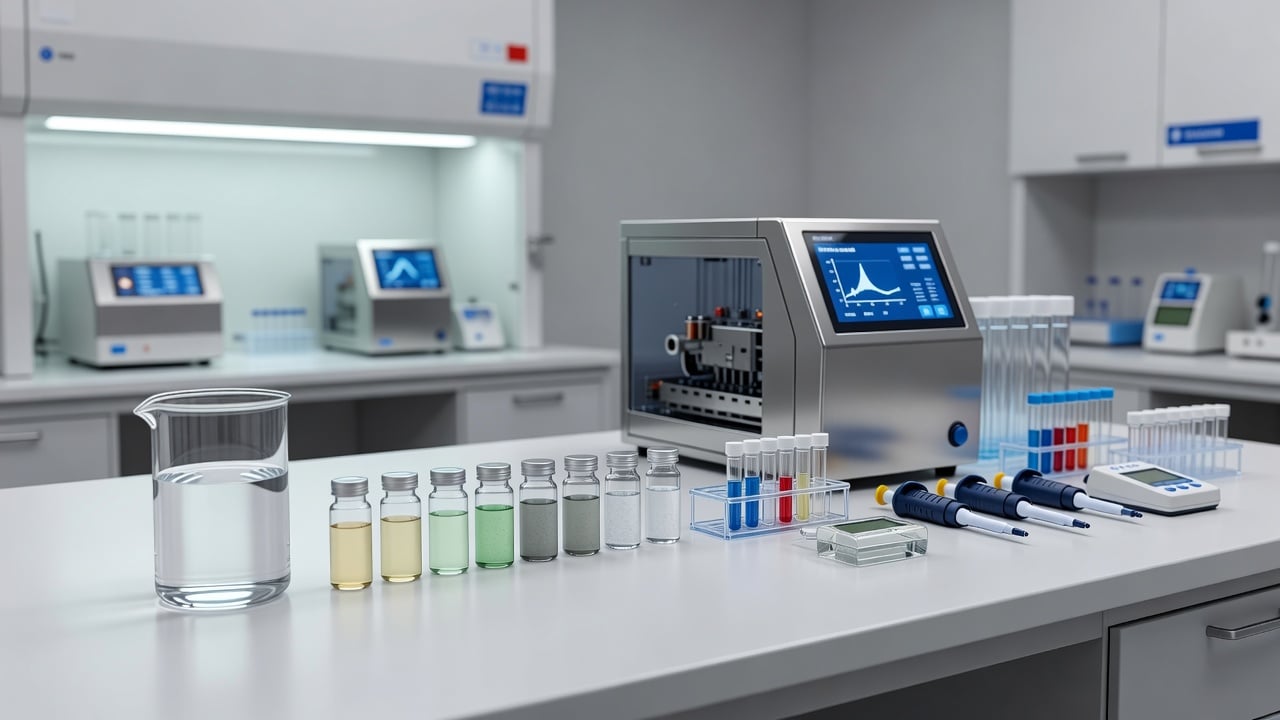
Water quality remains a frequent topic of conversation among health-conscious consumers who wonder whether the liquid flowing from their kitchen faucets meets safety standards. A water quality scientist who has spent decades studying municipal supplies and private wells offers one essential piece of advice that stands above all others: know exactly what is in the water you drink and where it comes from. This single practice empowers people to make informed decisions rather than relying on assumptions about purity or safety.
Municipal water systems in the United States undergo regular testing and treatment to remove harmful pathogens and reduce contaminants. The Environmental Protection Agency sets legal limits for more than ninety contaminants, and utilities must publish annual Consumer Confidence Reports that detail detected substances and compliance records. Despite these safeguards, the reports sometimes reveal trace amounts of chemicals, minerals, or byproducts that fall within acceptable ranges yet raise questions for sensitive individuals. A scientist interviewed by CNET emphasizes that understanding the specific profile of local tap water allows households to address any lingering concerns through targeted filtration or alternative sources when necessary.
The composition of tap water varies dramatically across regions. Groundwater from aquifers in the Midwest might contain elevated levels of nitrates from agricultural runoff, while surface water drawn from rivers in the Northeast can carry seasonal spikes in organic matter that reacts with chlorine to form disinfection byproducts. Coastal cities sometimes battle saltwater intrusion that increases sodium and chloride concentrations. These differences mean a filter that performs well in one city might prove inadequate in another. Testing your own supply reveals the unique mixture present at your address rather than depending on generalized national statistics.
Home testing kits provide an accessible starting point. Many affordable options measure pH, hardness, chlorine residual, lead, nitrates, and common bacteria. For a more complete picture, certified laboratories can screen for volatile organic compounds, heavy metals, pesticides, and emerging contaminants such as PFAS chemicals that have drawn increasing regulatory attention. The scientist recommends repeating tests every few years or after major events like nearby construction, flooding, or changes in water source announced by the utility. Results give concrete data instead of vague worries, allowing targeted action.
Once armed with test results, consumers can select treatment methods that match their actual needs. Activated carbon filters effectively reduce chlorine taste and odor along with some organic chemicals, yet they leave minerals and many heavy metals untouched. Reverse osmosis systems strip away a broad spectrum of dissolved solids, including fluoride, nitrates, and arsenic, though they also remove beneficial calcium and magnesium. Ion exchange softeners address hardness but do not tackle microbes or organic pollutants. Ultraviolet disinfection units destroy bacteria and viruses without adding chemicals, yet they require clear water to function properly. Matching technology to identified contaminants avoids unnecessary expense and prevents the false sense of security that comes from using the wrong device.
Public confidence in tap water has fluctuated over the years, partly due to high-profile crises. The lead contamination in Flint, Michigan, exposed weaknesses in corrosion control and highlighted how aging infrastructure can undermine treatment plant efforts. Similar episodes in other communities have prompted many families to install point-of-use filters even when their own utility meets all regulatory standards. The scientist points out that while these incidents are serious, they represent exceptions rather than the rule in a country where most public supplies consistently satisfy federal requirements. Still, personal verification remains the responsible approach rather than blind trust.
Bottled water often enters the conversation as an alternative, yet it carries its own set of considerations. The Food and Drug Administration regulates bottled water as a packaged food product, and many brands simply repackage municipal supplies. Transportation, plastic production, and disposal create environmental burdens that tap water avoids. Cost comparisons reveal that bottled water can run hundreds of times more expensive per gallon than what flows from the tap. For households seeking convenience during emergencies or travel, having a reusable bottle filled from a known safe source usually makes more sense than repeated purchases of single-use containers.
Taste and odor issues frequently drive people away from tap water even when chemical safety meets standards. Chlorine and chloramine, added to control microbial growth during distribution, can produce a swimming-pool aroma that many find unpleasant. Sulfur bacteria in well water create a rotten-egg smell, while iron and manganese cause metallic flavors and staining. These aesthetic problems do not necessarily indicate health risks, but they reduce willingness to drink adequate amounts of water. The scientist suggests that addressing taste through appropriate filtration often increases overall consumption, delivering hydration benefits that outweigh minor treatment costs.
Private well owners face distinct responsibilities because they lack the continuous monitoring provided to public systems. Approximately 13 million households in the United States draw water from private wells, and federal regulations do not cover these sources. State guidelines vary, leaving the decision to test largely to the homeowner. Common concerns include bacteria from septic systems, nitrates from fertilizers, arsenic from natural rock formations, and radon gas dissolved in groundwater. Annual testing for coliform bacteria and nitrates offers basic protection, while less frequent checks for other contaminants depend on local geology and land use patterns. The scientist advises well owners to maintain detailed records of all tests and any treatments installed so future homeowners or inspectors can understand the water history.
Emerging contaminants add another layer of complexity. Per- and polyfluoroalkyl substances, commonly called PFAS, have been used in nonstick coatings, firefighting foam, and stain-resistant fabrics. These chemicals persist in the environment and have been detected in many water supplies. Traditional treatment methods often fail to remove them completely, prompting development of specialized granular activated carbon or anion exchange systems. Regulatory bodies continue to study health effects and establish limits, but the scientist encourages consumers to check whether their utility or laboratory offers PFAS testing. Awareness allows proactive steps rather than waiting for mandates that may take years to implement.
Children, pregnant individuals, and those with compromised immune systems represent vulnerable populations that benefit most from verified water quality. Even low levels of lead can impair neurological development, while certain microbes pose higher infection risks to people with weakened defenses. The scientist recommends additional precautions for these groups, including certified point-of-use devices that specifically target identified threats. NSF International and the Water Quality Association maintain certification programs that verify manufacturer claims against standardized test protocols. Looking for these marks helps distinguish effective products from those making unsubstantiated promises.
Maintenance of home treatment equipment requires consistent attention to sustain performance. Carbon filters saturate over time and can begin releasing trapped contaminants if not changed according to manufacturer schedules. Reverse osmosis membranes foul and lose efficiency without periodic replacement and sanitization. Ultraviolet lamps lose intensity and must be replaced annually even if they still appear to function. Neglected systems sometimes perform worse than no treatment at all, creating a false sense of protection. The scientist stresses that any investment in water quality equipment should include a realistic plan for ongoing upkeep and filter costs.
Community involvement can complement individual testing efforts. Many utilities welcome public comments during rate hearings or infrastructure planning sessions. Citizens who understand their water reports can ask informed questions about source protection, treatment upgrades, and pipe replacement programs. Watershed organizations monitor rivers and lakes that supply drinking water, advocating for reduced agricultural runoff and industrial discharges. These collective actions help maintain high quality at the source, reducing the burden on both utilities and household filters.
Education about water chemistry helps consumers interpret test results accurately. A high total dissolved solids reading might indicate harmless minerals that affect taste but pose no health risk, while an elevated lead level even below the regulatory action level warrants immediate attention. Hardness, measured in grains per gallon or milligrams per liter of calcium carbonate, influences scale buildup in pipes and appliances yet does not directly threaten health. Understanding these distinctions prevents overreaction to benign findings or dangerous dismissal of genuine problems.
Seasonal changes can affect water quality in noticeable ways. Spring runoff often increases turbidity and organic content in surface supplies, sometimes requiring utilities to adjust treatment. Summer algae blooms in reservoirs can impart earthy or musty tastes. Winter road salt applications may elevate sodium and chloride in groundwater near highways. Tracking these patterns through periodic testing helps anticipate when additional filtration or flushing of household pipes might be beneficial.
The scientist’s core message remains straightforward: knowledge about your specific water supply forms the foundation for sound decisions. Rather than accepting generic assurances or marketing claims about purity, consumers should gather data, interpret it in context, and apply appropriate solutions. This approach fosters confidence that the water consumed daily supports health rather than undermining it. Municipal systems provide a remarkable public health achievement by delivering safe water to millions of households at low cost, yet that achievement does not eliminate the value of personal vigilance. By combining official monitoring data with targeted home testing and properly maintained treatment when needed, families can enjoy both the convenience of tap water and the assurance that comes from understanding exactly what they are drinking.


 WebProNews is an iEntry Publication