
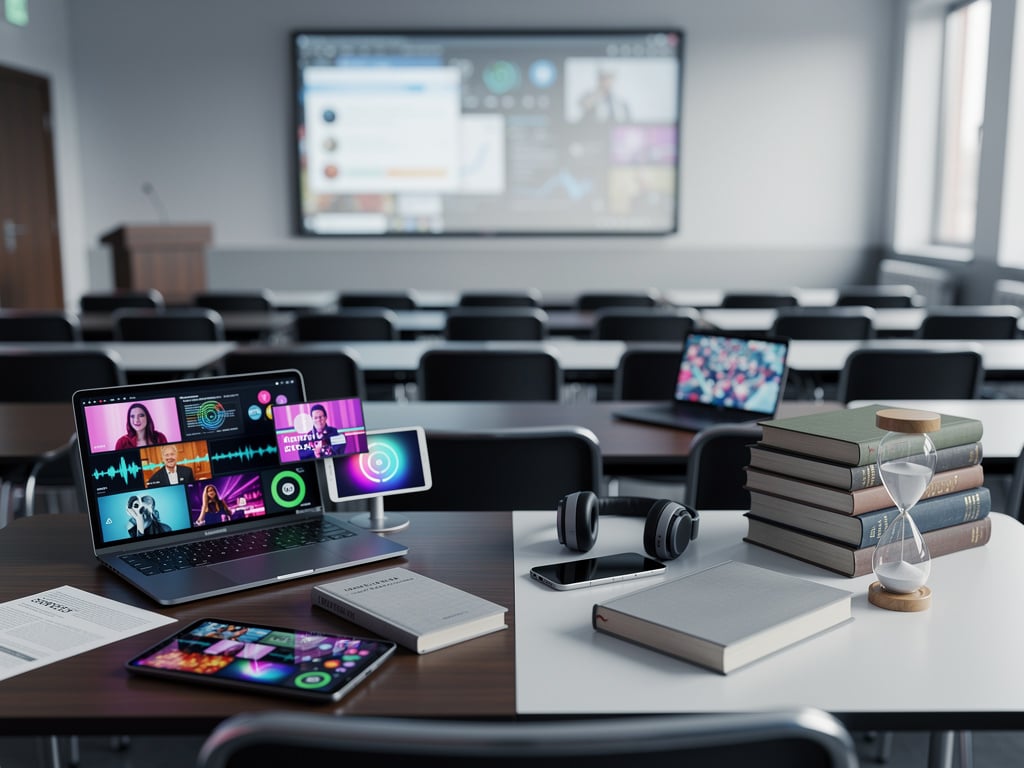
College students from Generation Z increasingly arrive on campuses with limited experience reading full-length books, forcing professors across the country to adjust their expectations and teaching methods. This shift reflects broader changes in how young people consume information, shaped by smartphones, social media, and a preference for quick, digestible content. Faculty members report that many undergraduates struggle to finish assigned novels, textbooks, or academic papers, leading to widespread classroom adjustments and growing concerns about long-term consequences for attention spans and professional readiness.
Professors describe scenes where students openly admit they have not completed reading assignments that once formed the backbone of college courses. Some educators have responded by shortening reading lists, replacing dense texts with summaries or video lectures, and incorporating more in-class discussion time to compensate for incomplete preparation. Others have turned to multimedia alternatives, such as podcasts and documentaries, to convey similar concepts without relying on traditional long-form reading. These adaptations signal a significant departure from decades of higher education norms that assumed students could handle hundreds of pages per week.
The trend appears rooted in habits formed well before college. Many Gen Z students grew up in school systems that emphasized standardized testing and digital learning platforms over sustained reading. During the pandemic, remote instruction further reduced opportunities for focused book work, as screens dominated daily education. By the time they reach university, a notable portion of students view long reading as unfamiliar and overwhelming. Some report physical discomfort, such as headaches or restlessness, when attempting to engage with printed material for extended periods.
This phenomenon has sparked conversations among faculty about the role of reading in intellectual development. English professors, historians, and social scientists express particular alarm because their disciplines traditionally depend on close textual analysis. When students cannot process assigned material, classroom discussions become shallower and critical thinking exercises lose depth. One literature instructor at a large state university noted that entire seminar sessions now revolve around basic plot points rather than thematic exploration or authorial technique because too few students have read the primary texts.
The issue extends beyond the humanities. Science and business programs also report challenges when students encounter technical manuals, case studies, or research articles. In fields where comprehension of complex written arguments remains essential, faculty worry that lowered standards could produce graduates with significant knowledge gaps. Employers already voice concerns about entry-level workers who demonstrate poor written communication and difficulty absorbing detailed reports or training materials.
Mental health factors appear to play a substantial role in this reading reluctance. Many Gen Z college students face heightened levels of anxiety and depression compared with previous generations. Extended reading requires sustained attention that can feel taxing for those managing mental health challenges. The constant availability of smartphones offers an easy escape through scrolling or notifications, interrupting any attempt at deep concentration. This creates a cycle where students avoid reading because it feels difficult, then fall further behind, increasing their stress levels.
Some universities have started implementing support programs to address these gaps. Reading workshops, time-management coaching, and digital distraction blockers represent common interventions. A few institutions have experimented with structured reading accountability systems, such as guided discussion groups or progressive reading schedules that break books into manageable segments. These efforts aim to rebuild students’ capacity for focused attention without simply lowering academic bars.
The shift also raises questions about how educational content should evolve. Publishers have responded by creating more visually engaging textbooks with shorter chapters, infographics, and embedded videos. Some authors now write with mobile consumption in mind, using concise language and frequent subheadings. While these changes make material more accessible, critics argue they may further erode students’ ability to handle complex, uninterrupted arguments.
Data from various surveys supports the anecdotal evidence coming from campuses. Reports indicate that the average time young adults spend reading for pleasure has declined steadily over recent decades. Instead, they consume information through short videos, social media posts, and bite-sized articles. This preference for rapid content consumption appears to have reshaped cognitive patterns, making traditional academic reading feel foreign and laborious.
Faculty members who have taught for twenty years or more frequently describe a noticeable change in student capabilities. Where previous classes might have arrived having already read several classic novels, current students often lack basic familiarity with foundational texts. This knowledge deficit compounds when professors must spend valuable class time providing background that students would have gained through independent reading.
The workplace implications worry both educators and career counselors. Many professions require employees to review lengthy documents, analyze reports, and synthesize information from multiple sources. New graduates who never developed these skills during college may face difficulties adjusting to professional demands. Some companies have begun creating internal training programs focused on reading comprehension and attention management to bridge these gaps for recent hires.
Yet not all observers view the situation as entirely negative. Some argue that Gen Z students bring different strengths to learning environments, including visual literacy, collaborative problem-solving, and comfort with technology. The challenge lies in finding ways to build upon these assets while still developing traditional analytical skills. Creative assignments that combine reading with digital projects or group presentations offer one avenue for integration.
High schools bear some responsibility for preparing students for college-level reading. Many secondary educators face their own pressures to cover broad curriculums and achieve strong test scores, which can limit time devoted to full books. When literature classes rely heavily on excerpts or SparkNotes-style analysis, students miss opportunities to practice sustained reading. This creates a pipeline problem that universities inherit.
Solutions likely require coordinated efforts across educational levels. Elementary schools could focus more on building reading stamina through daily independent reading periods. Middle and high schools might prioritize complete books over fragmented selections. Colleges could design first-year experience courses specifically targeting reading skills and attention development. Such systemic changes would demand significant resources and policy shifts but could help reverse current trends.
The publishing industry faces its own adaptations. Some companies now market directly to reluctant readers with shorter formats, series books, and interactive digital editions. While these products serve immediate needs, they may not fully substitute for the cognitive benefits associated with traditional long-form reading. Research suggests that deep reading activates different brain regions than skimming or multimedia consumption, contributing to empathy development, critical analysis, and abstract thinking.
Professors continue experimenting with various approaches to engage students with reading material. Some have eliminated traditional textbooks entirely, replacing them with curated collections of shorter articles and primary sources. Others assign audiobooks, recognizing that students may process information more effectively through listening, though this practice raises questions about whether auditory consumption produces equivalent analytical outcomes.
The financial pressures facing students add another dimension to the problem. Many work part-time jobs while carrying full course loads, leaving limited time for intensive reading. When every hour carries opportunity costs, students may rationally choose to skim assignments or rely on online summaries rather than devote afternoons to dense chapters. This economic reality shapes academic behavior in ways that purely pedagogical solutions cannot fully address.
Despite these challenges, some students demonstrate remarkable resilience. Those who develop strong reading habits in college often credit specific mentors or structured programs that provided accountability and support. Their experiences suggest that the capacity for deep reading remains achievable with proper guidance and motivation. The key lies in creating environments where students see tangible value in investing time and mental energy in books.
As this generation progresses through higher education and enters the workforce, institutions must balance accessibility with rigor. Lowering standards permanently risks diminishing the quality of education, while ignoring students’ actual capabilities leads to widespread failure and disengagement. The most promising path involves honest assessment of current reading abilities combined with targeted interventions designed to expand those abilities over time.
Universities that treat reading challenges as a serious pedagogical issue rather than a temporary inconvenience stand the best chance of producing graduates equipped for complex professional environments. This requires investment in faculty training, student support services, and curriculum redesign. It also demands frank conversations with incoming students about the expectations and benefits of sustained reading.
The situation reflects larger societal changes in how humans interact with information. As digital devices provide instant access to vast amounts of content, the ability to focus on single sources for extended periods has become less common. Rebuilding this capacity represents one of the central educational challenges of the coming decade. Success will depend on collaborative efforts between educators, families, technology companies, and students themselves to restore balance between rapid information consumption and deliberate, focused engagement with complex ideas.
Faculty across disciplines continue adapting their methods while maintaining core academic standards. Many express hope that current trends represent a temporary adjustment period rather than permanent transformation. By addressing reading difficulties directly through innovative teaching, supportive resources, and realistic expectations, universities can help Gen Z students develop the intellectual tools they need for both academic success and long-term career achievement. The process requires patience, creativity, and commitment to preserving the irreplaceable value of deep textual engagement in higher learning.


 WebProNews is an iEntry Publication