
Garmin’s Next Leap: Charting the Course for 2026 Smartwatch Breakthroughs
As the wearable technology sector hurtles toward 2026, Garmin stands at a pivotal juncture, blending its heritage in fitness tracking with emerging demands for smarter, more integrated devices. Industry observers are buzzing about potential advancements that could redefine how users interact with their health data, especially as competitors like Apple and Samsung push boundaries in AI and connectivity. Drawing from recent analyses, Garmin’s roadmap appears poised to address user pain points while innovating in areas like battery efficiency and personalized coaching.
Recent updates have already signaled Garmin’s intent to evolve. A December 2025 public beta release introduced 25 new features across its 2025 watch lineup, including enhanced sleep tracking and sports-specific widgets, as detailed in a comprehensive recap by DC Rainmaker. This move not only extends the life of existing models but also sets the stage for more ambitious rollouts in the coming year. Insiders note that Garmin’s strategy focuses on deepening ecosystem integration, a response to criticisms of its Connect app’s usability.
Looking ahead, speculation abounds about Garmin incorporating cutting-edge sensors and AI-driven insights. Publications like T3 have pointed to clues in Garmin’s recent launches, such as MicroLED displays and continuous glucose monitoring explorations, suggesting a shift toward health tech that rivals medical-grade devices. These developments come amid a broader industry push, where wearables are expected to dominate CES 2026 showcases, according to previews from Wareable.
Pushing Battery Boundaries
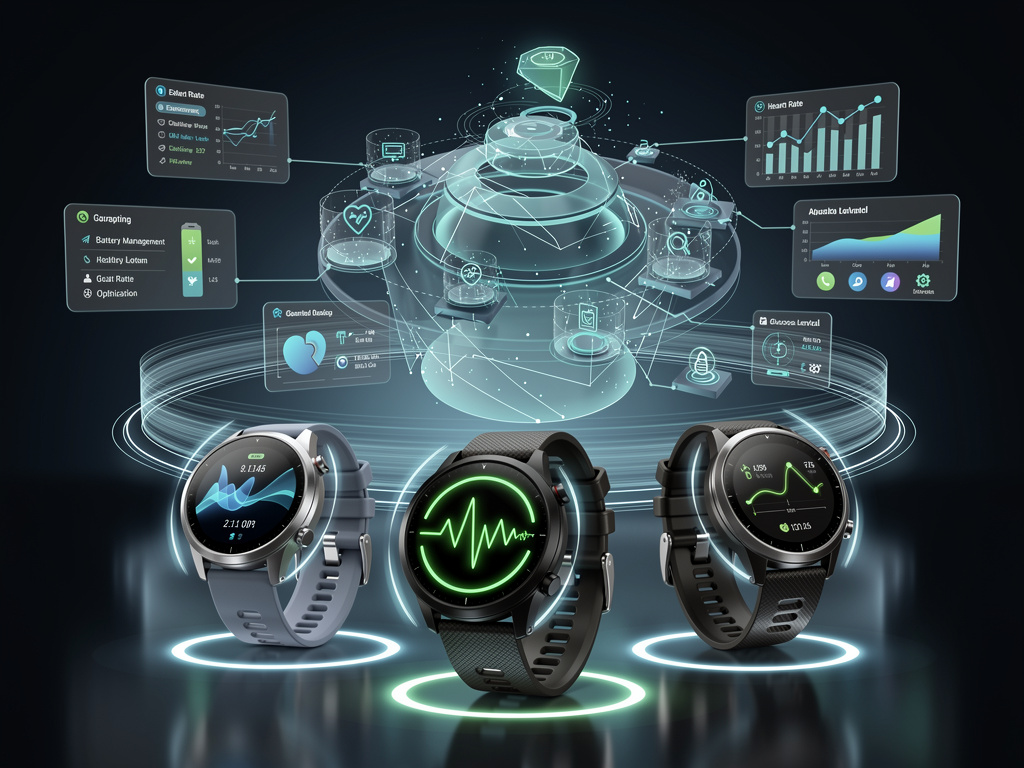
One of the most anticipated innovations revolves around advanced battery management, a feature that could transform how users rely on their devices during extended activities. Analysts hope for a system that not only tracks power consumption in real-time but also predicts drain based on usage patterns, potentially extending life beyond current limits. This builds on Garmin’s Q1 2026 update, which introduced a Battery Manager tool across Fenix, Forerunner, and Venu lines, as outlined in a breakdown by the5krunner.
Such enhancements address longstanding complaints about battery life in high-end models, where features like GPS and heart rate monitoring can deplete power quickly. Industry insiders, referencing posts on X, highlight user excitement for innovations that integrate solar charging more seamlessly, echoing Garmin’s past experiments with solar-powered variants. For athletes, this could mean uninterrupted tracking during ultra-marathons or multi-day hikes, reducing the need for frequent charging stops.
Moreover, integrating AI to optimize battery usage—perhaps by automatically dimming screens or suspending non-essential functions—aligns with Garmin’s focus on endurance sports. A detailed look at Garmin’s 2026 expectations from Garmin Rumors suggests this could be part of a broader connectivity expansion, allowing watches to sync more efficiently with smartphones and reduce energy overhead.
AI-Powered Personalization Takes Center Stage
Another key area of speculation is the expansion of AI-driven fitness coaching, where Garmin could leverage machine learning to offer hyper-personalized training plans. Users and experts alike are calling for features that analyze sleep patterns, recovery metrics, and even environmental factors to suggest optimal workout times. This vision is vividly captured in a wish list from TechRadar, which envisions Garmin watches providing real-time coaching adjustments based on biometric data.
Building on this, Garmin’s recent beta updates have already added sleep alignment tools and expanded coaching options, as noted in DC Rainmaker’s coverage. For industry professionals, this represents a strategic pivot: Garmin, traditionally strong in niche sports like triathlons and diving, could use AI to appeal to a wider audience, including casual fitness enthusiasts. Posts on X from tech influencers underscore the demand for features like virtual workout buddies, similar to those teased in Apple’s watchOS updates.
Furthermore, integrating third-party apps, such as WhatsApp for seamless notifications, could enhance the user experience without compromising Garmin’s core fitness focus. T3’s analysis warns, however, that Garmin must avoid past pitfalls, like the backlash from its 2025 Connect app redesign, by making these AI tools feel intuitive rather than intrusive.
Seamless Integration with Emerging Tech
A third major innovation on the horizon involves deeper ecosystem connectivity, potentially including compatibility with continuous glucose monitors and smart home devices. This would position Garmin watches as central hubs for holistic health management, a trend gaining traction as wearables evolve beyond mere trackers. Wareable’s CES 2026 preview hints at Garmin unveiling AI health tech that integrates with rings and other accessories, creating a unified monitoring system.
For insiders, this means grappling with data privacy concerns, as more sensors collect sensitive information. Garmin’s history of robust privacy controls, as seen in its handling of location data, could give it an edge over competitors like Samsung, whose Wear OS updates are scrutinized in pieces from Android Central. Recent X posts reflect user hopes for features like automatic data syncing with health apps, reducing manual inputs.
Additionally, Garmin’s exploration of new biometric sensors, such as those for blood oxygen or even stress hormones, could open doors to predictive health alerts. Garmin Rumors predicts this as part of a software overhaul, ensuring older models receive these updates to maintain customer loyalty.
Competitive Pressures and Market Dynamics
Garmin’s innovations don’t exist in isolation; they’re shaped by rivals’ moves. Apple’s dominance in general-purpose smartwatches, with features like advanced workout media integration, pressures Garmin to differentiate in specialized areas. X posts from industry watchers, including those referencing Garmin’s wireless support for niche activities like scuba diving and ballistics, illustrate how the company carves out unique verticals.
Meanwhile, emerging players from Asia, such as Amazfit, challenge Garmin on price while catching up in hardware. The5krunner’s October 2025 update on rumors discusses how Garmin might counter this by enhancing its ecosystem, perhaps through acquisitions or partnerships, to bolster market share in Europe and North America.
This competitive environment underscores the need for Garmin to innovate boldly. T3 posits that 2026 could mark the start of Garmin’s “next era,” with over-engineered features like customizable crowns and heat-acclimated pacing becoming standard.
User-Centric Design Evolutions
Focusing on user feedback, Garmin is likely to refine its interface for better accessibility. Recent updates to mid-range models, like the Venu 4 and Forerunner 570, include dozens of improvements such as timed workout plans, as reported in multiple sources including the5krunner. This iterative approach helps Garmin rebuild trust after app-related frustrations.
For industry insiders, these changes signal a maturation in Garmin’s product strategy, emphasizing software parity across devices. X sentiment reveals enthusiasm for features like mixed-session activities for hybrid sports, catering to evolving fitness trends like HYROX.
Moreover, expanding global reach through localized features, such as region-specific health metrics, could help Garmin penetrate markets dominated by low-cost Asian brands. Garmin Rumors emphasizes this as crucial for long-term growth.
Health Tech’s Broader Implications
As Garmin eyes 2026, the integration of advanced health monitoring raises questions about regulatory hurdles. Features like potential CGM support, speculated in T3, would require FDA approvals, mirroring paths taken by competitors. This could elevate Garmin from a fitness brand to a health tech leader.
Industry analysts, drawing from Wareable’s insights, foresee wearables becoming indispensable for preventive care, with Garmin’s data-rich platform playing a key role. Posts on X highlight user desires for innovations that blend seamlessly into daily life, like subtle notifications during workouts.
Ultimately, Garmin’s success will hinge on balancing innovation with reliability, ensuring that new features enhance rather than complicate the user experience.
Strategic Forecasting for 2026
Looking deeper, Garmin’s Q1 updates, detailed across sources like DC Rainmaker, include tools like Optimal Sleep Windows, which could evolve into comprehensive wellness dashboards. This aligns with broader trends where AI analyzes patterns for proactive advice.
For executives, this means monitoring how Garmin allocates R&D resources. Android Central’s outlook on Wear OS suggests Garmin might explore hybrid OS integrations to compete, though its proprietary system offers advantages in battery optimization.
X discussions also point to excitement around display technologies, with rumors of MicroLED adoption promising brighter, more efficient screens for outdoor visibility.
Innovation’s Ripple Effects
The potential rollout of these features could influence adjacent markets, such as cycling and aviation, where Garmin already holds sway. Enhanced connectivity might enable real-time data sharing with bike computers or flight instruments, expanding the brand’s footprint.
User communities on X express hopes for customizable interfaces, allowing personalization beyond presets. This democratizes access to pro-level tools, potentially attracting younger demographics.
In essence, Garmin’s 2026 trajectory promises to blend cutting-edge tech with practical utility, setting new benchmarks for the wearable industry.
Navigating Future Challenges
Yet challenges remain, including supply chain vulnerabilities and the need for sustainable manufacturing. As T3 notes, Garmin must address user expectations around app stability to avoid repeats of 2025’s discontent.
Partnerships with health organizations could validate new sensors, boosting credibility. Wareable’s CES preview suggests announcements that could include collaborative AI ventures.
Finally, as Garmin innovates, it must prioritize inclusivity, ensuring features cater to diverse user needs from elite athletes to everyday wearers. This holistic approach could solidify its position in an ever-evolving market.


 WebProNews is an iEntry Publication