
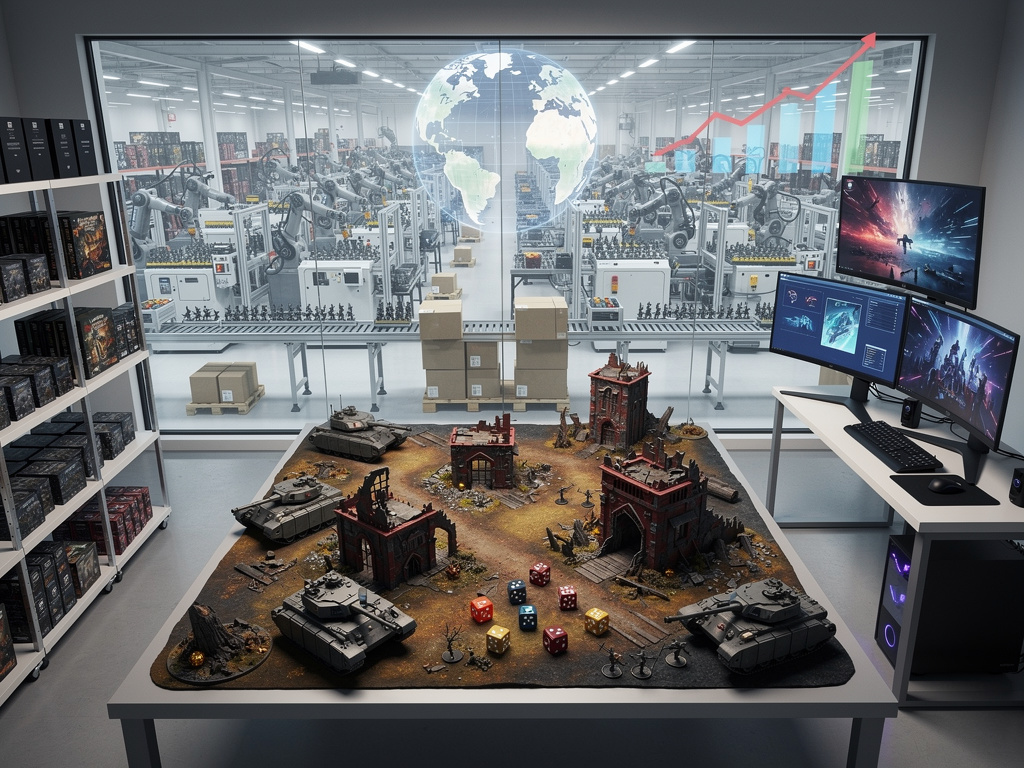
From Miniature Empires to Multibillion-Pound Powerhouse: The Unlikely Ascent of Warhammer in British Business
In the heart of Nottingham, a company that started as a quirky hobby shop has transformed into a juggernaut of the global entertainment industry. Games Workshop, the force behind the Warhammer franchise, now boasts a market value exceeding £6 billion, making it one of Britain’s most valuable enterprises. This evolution from niche tabletop gaming to mainstream cultural phenomenon underscores a broader shift in how leisure pursuits can drive economic might. Founded in 1975 by enthusiasts Ian Livingstone and Steve Jackson, the company initially distributed role-playing games like Dungeons & Dragons before pivoting to its own creations.
The turning point came in 1983 with the launch of Warhammer Fantasy Battle, a game that invited players to assemble, paint, and battle with intricate miniatures. What began as a passion project in a small London flat has ballooned into a worldwide empire, with stores in over 20 countries and a devoted fanbase spanning generations. Recent financial reports highlight this growth: revenues surged by 10.9% in the latest period, pushing the company into rarified air among UK firms. As detailed in a recent profile by The Guardian, Warhammer’s success stems from its ability to blend creativity, community, and commerce in ways few anticipated.
Insiders point to strategic decisions that fueled this rise. Under CEO Kevin Rountree, who took the helm in 2015, Games Workshop emphasized direct-to-consumer sales through its own retail outlets and online platforms, cutting out middlemen and boosting margins. This approach has proven resilient, even amid economic turbulence. The company’s half-year results, as reported by Insider Media, showed profits topping £140 million on revenues over £300 million—a record that cements its status as a top performer on the London Stock Exchange.
Strategic Expansions and Community Building
Warhammer’s appeal lies in its immersive worlds, from the grimdark sci-fi of Warhammer 40,000 to the fantasy realms of Age of Sigmar. Players invest not just money but time and artistry into customizing armies, fostering a sense of ownership that keeps them engaged. This model has created a self-sustaining ecosystem where hobbyists become lifelong customers. Industry observers note how Games Workshop has masterfully expanded beyond miniatures into books, video games, and merchandise, licensing deals that amplify its reach without diluting core offerings.
A key factor in its ascent has been investment in physical infrastructure. The company is pouring millions into its Nottingham headquarters, enhancing manufacturing capabilities and creating jobs in a region hungry for economic boosts. Coverage from Nottinghamshire Live highlights how this positions Games Workshop as a pillar of local employment, employing thousands and contributing to the area’s vitality. Such moves reflect a commitment to roots while scaling globally, a balance that has endeared it to both fans and investors.
Social media buzz underscores this momentum. Posts on X (formerly Twitter) from users like game developers and fans celebrate Warhammer’s dominance, with one noting its status as the world’s top franchise in a 2024 fandom report. This sentiment aligns with broader industry trends, where tabletop gaming has surged in popularity, especially post-pandemic as people sought tactile, social experiences amid digital fatigue.
Licensing Deals and Media Ventures
Venturing into digital realms has been pivotal. Partnerships with video game studios have brought Warhammer to new audiences, with titles like Total War: Warhammer series achieving massive sales—over 36 million copies across the franchise, as shared in X posts referencing industry data. These adaptations maintain the lore’s integrity while introducing it to gamers who might never touch a miniature, creating a virtuous cycle that drives back to physical products.
Moreover, high-profile media tie-ins are on the horizon. Amazon’s planned Warhammer 40,000 series, potentially starring Henry Cavill, promises to catapult the brand into Hollywood’s spotlight. This follows successful forays like the animated series and novels, which have sold millions. As discussed in a FRVR blog post featuring co-founder Ian Livingstone, even the company’s originators are astonished by this trajectory, recalling humble beginnings that included sleeping in vans to attend conventions.
Financially, these expansions translate to robust performance. A trading update shared on X indicated a 6% profit increase, valuing the company at nearly £6 billion and sparking an 11% share price jump. This resilience contrasts with broader industry challenges, as outlined in Goonhammer’s 2025 year-in-review, which painted a grim picture for many gaming firms amid layoffs and market slumps.
Innovation in Product Lines and Fan Engagement
At the core of Warhammer’s strategy is relentless innovation. Annual previews, like the 2026 New Year event covered by GamesRadar+, unveil new miniatures and rulesets that keep the community buzzing. From “Space Marine-Killers” to Custodes expansions, these releases ensure the game evolves, preventing stagnation. This approach has turned Warhammer into more than a product—it’s a lifestyle, with tournaments drawing thousands worldwide.
Community engagement extends to online forums and social platforms. Reddit threads, such as those on r/GoodNewsUK and r/boardgames, praise the company’s growth as a beacon of British innovation, with users sharing stories of how Warhammer fostered creativity and friendships. This grassroots support has been crucial, turning casual players into evangelists who amplify the brand organically.
Economically, Warhammer’s model defies conventional wisdom. Unlike tech startups chasing unicorn status, it built value through steady, passion-driven growth. As The Guardian profile notes, its revenues have climbed consistently, outpacing many peers in the FTSE 250. Historical context from X posts recalls a 660% share rise in just two years back in 2018, a harbinger of the sustained success seen today.
Global Reach and Cultural Impact
Warhammer’s international expansion has been methodical. With over 500 stores globally, the company has penetrated markets from the U.S. to Asia, adapting to local tastes while preserving its British heritage. This globalization has not only diversified revenue streams but also elevated Warhammer’s cultural footprint, influencing everything from literature to fashion.
Critics and fans alike debate the company’s pricing strategy—miniatures aren’t cheap, often requiring significant investment. Yet, this premium positioning enhances perceived value, as players view their collections as heirlooms. Insider analyses suggest this has contributed to high profit margins, with pre-tax profits consistently above industry averages.
Looking ahead, challenges loom, including competition from digital natives and economic pressures. However, Games Workshop’s track record suggests adaptability. Recent investments in Nottingham, as per Nottinghamshire Live reports, include state-of-the-art facilities for 3D printing and design, signaling a embrace of technology to streamline production without losing the handcrafted charm.
Sustaining Momentum Amid Industry Shifts
The broader gaming sector faces headwinds, from supply chain disruptions to shifting consumer habits. Warhammer’s physical nature provides a hedge, appealing to those weary of screen-based entertainment. X posts from industry figures like composers and authors highlight collaborations that keep the franchise fresh, such as soundtracks for games like Vermintide 2 and Darktide.
Philanthropic efforts also bolster its image. Initiatives supporting STEM education through gaming have garnered positive press, positioning Warhammer as a force for good. This aligns with calls on platforms like X for “Warhammer Britain,” advocating government support for such cultural exports to enhance soft power.
As co-founder Livingstone reflects in the FRVR interview, the journey from van-dwelling entrepreneurs to corporate titans is a testament to vision and perseverance. With profits soaring and cultural relevance at an all-time high, Warhammer stands as a model for how niche interests can conquer global markets.
Lessons for Aspiring Enterprises
For industry insiders, Warhammer’s story offers blueprints in community-centric business. By owning its IP tightly and engaging fans directly, Games Workshop avoids pitfalls that ensnare others, like over-reliance on volatile licensing. This control has enabled pivots, such as the shift from Warhammer Fantasy to Age of Sigmar, which reinvigorated the line despite initial backlash.
Comparisons to other UK success stories, like Creative Assembly’s Total War series, abound in X discussions, noting how Warhammer-themed entries became bestsellers. Yet, Games Workshop’s integrated approach—combining manufacturing, retail, and media—sets it apart, creating a moat against competitors.
Ultimately, Warhammer’s ascent reflects a fusion of artistry and acumen. As revenues climb and investments pour in, the company not only dominates its niche but redefines what British business can achieve through imaginative play. With eyes on future expansions, from VR experiences to more Hollywood ventures, its empire shows no signs of waning.


 WebProNews is an iEntry Publication