
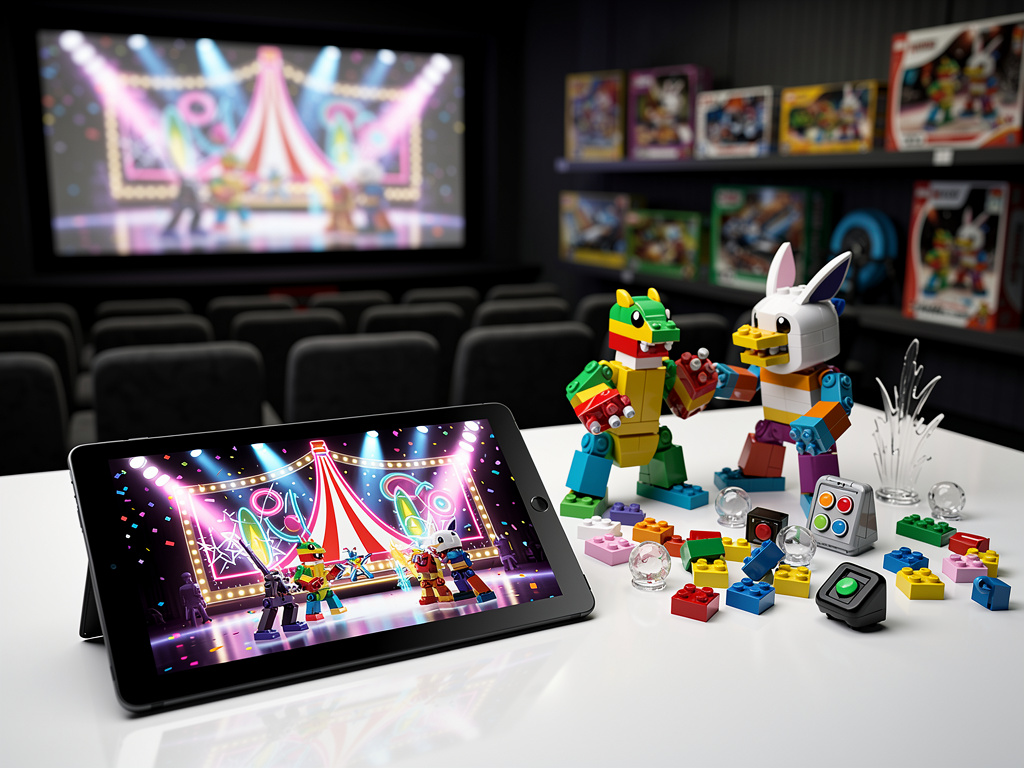
Success came fast for The Amazing Digital Circus. One pilot episode dropped on YouTube in 2023. Millions watched within days. What followed was no ordinary cartoon run. Fans built entire digital worlds around it. They recreated scenes in video games. They designed custom toys. And they turned to bricks. LEGO bricks.
The Verge first flagged the phenomenon this week in its Installer newsletter (https://www.theverge.com/tech/944942/amazing-digital-circus-lego-pokemon-installer). Editor-at-large David Pierce listed the show’s feature-length finale, The Amazing Digital Circus: The Last Act, now playing in theaters. He paired it with news of LEGO’s new Smart Play Pokémon sets. The connection feels accidental. Yet it speaks volumes. Two icons of childhood play. One born from independent animation. The other from a Danish toy company. Both now command attention from the same audience.
But the story runs deeper than a newsletter drop. The Amazing Digital Circus began as a Glitch Productions project led by animator Gooseworx. Its premise sounds simple. A group of humans trapped in a bizarre virtual circus. They face psychological horror mixed with slapstick humor. Bright colors hide dark themes. Viewers loved the contrast. So did creators online.
Fan builders wasted no time. YouTube channels filled with stop-motion videos. One creator documented building every episode in LEGO. Another focused on individual characters. Pomni. Jax. Ragatha. Kinger. Each got their own detailed MOC, or my own creation. These weren’t quick snaps. They required hundreds of pieces. Precise color matching. Digital Circus fans shared instructions on Rebrickable and personal sites. Communities grew.
And then the theater run. The film hit screens June 4, 2026. Cinemark, AMC and independent houses booked it for limited weeks. Fandango listed showtimes immediately. IMDb users called it a strong finale. One reviewer praised the animation upgrade and score. “Truly this is a thing to see in theaters,” the comment read. The YouTube-to-cinema pipeline, already proven by projects like The Backrooms, gained another win.
LEGO’s parallel move into interactive play adds another layer. The company revealed its first official Pokémon sets days ago. Twelve builds drop in August 2026. They include Smart Bricks. These 2×4 pieces contain hidden tech. Sensors. Connectivity. The Training House with Pikachu lets kids train and battle virtually. Charizard versus Jolteon playsets promise more. LEGO’s site details prices from $20 starter tags to $120 battle arenas. Preorders opened right away.
Pierce admitted mixed feelings about the Smart Brick concept in The Verge. Potential exists. Current uses feel limited. Still, he wants that Jigglypuff. Many parents and collectors likely agree. The timing overlaps with Digital Circus fever. Kids who binge the show one night might build its circus tent the next. Then switch to Pokémon battles. Screens and plastic. Digital and physical. They mix easier than ever.
Fans didn’t stop at official products. Minecraft addons dropped with Caine, Pomni and the full cast roaming generated worlds. Bonelab VR mods added avatars. Even Saints Row and Friday Night Funkin’ saw crossover packs. One GameBanana mod placed Boyfriend inside the circus for a rhythm battle. The show’s surreal style lends itself to modding. Strange characters. Abstracted forms. Glitchy effects. All translate across platforms.
But success brings questions. How long can this momentum last? The series finale arrives at peak popularity. Gooseworx and Glitch Productions kept tight control on the story. No endless seasons. No dilution. That choice preserved quality. It also created urgency. See it in theaters now. Or wait for the free YouTube drop later.
LEGO faces its own test. Smart Play must deliver more than novelty. Past attempts at connected toys met mixed results. This time the Pokémon license brings built-in excitement. Nintendo and Game Freak approved the designs. Battle mechanics tie directly to the app. Kids scan bricks. They watch digital creatures react. The system records progress. Parents might see it as educational. Builders see pure fun.
So the two stories converge in living rooms worldwide. A child watches Pomni’s existential panic on a tablet. Then snaps together a LEGO tent. Later that afternoon the same bricks become a Pokémon gym. No conflict. Just extension. Play evolves. One minute horror comedy. Next minute strategy and collection.
Creators on TikTok and Instagram keep the cycle alive. Speed builds. Time-lapses. Custom instructions. One video shows a full circus diorama that opens to reveal trapped minifigures inside. Another features Zooble constructed from unusual parts. These videos rack up views from the same demographic that streams the show.
Industry watchers note the pattern. Independent animation finds massive audiences on YouTube. Studios take notice. Theatrical runs test broader appeal. Merchandise follows. Toys. Games. Experiences. LEGO’s Pokémon line fits the same mold even if it started from a corporate partnership. Both prove audiences crave tangible connections to digital favorites.
Plushies appeared too. Just Toys released sets in 2026. eBay sellers offer minifigure-style collections. Bootleg figures circulate but official ones dominate collector discussions on Reddit. The ecosystem grows. Not every fan buys everything. Many participate through free digital means. Mods. Videos. Fan art.
Yet the theater experience stands apart. Big screen. Better sound. Shared audience laughter and gasps. For a show born on small screens, the jump matters. It validates the work. It gives voice actors and animators a bigger stage. And it creates memories that last beyond any single episode.
August will bring the LEGO sets to stores. By then The Last Act may have finished its theatrical window. The overlap still feels significant. Parents will field requests for both. Kids will move between them naturally. One offers story and characters. The other offers hands-on creation and competition.
The blend reflects how entertainment works now. Boundaries blur. A YouTube hit inspires physical builds. A toy company adds digital layers to plastic bricks. Fans connect the dots themselves. They always have. This time the dots lead from a bizarre circus to a trainer’s backpack. And back again.
Watch the finale if you can. Build the sets when they arrive. The era of isolated media feels long gone. Stories travel. Toys adapt. Audiences decide what sticks. So far, this one sticks hard.


 WebProNews is an iEntry Publication