
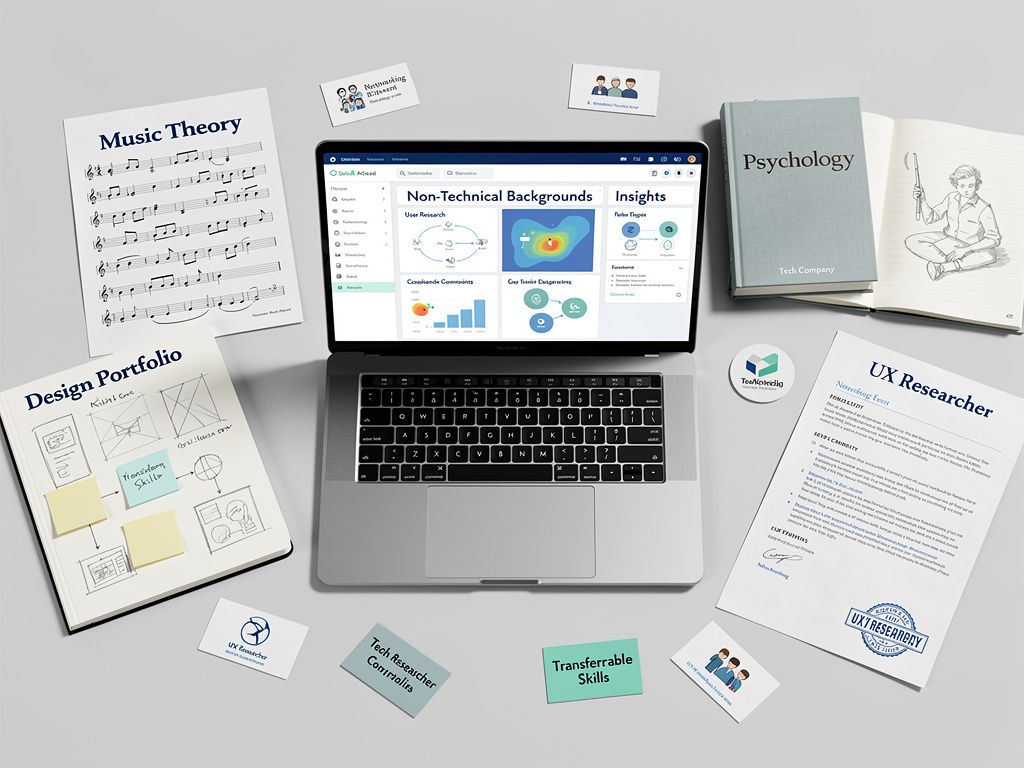
The technology industry’s long-standing preference for candidates with computer science degrees and traditional technical backgrounds is undergoing a significant transformation. As companies like Microsoft increasingly recognize the value of diverse perspectives in product development, professionals from non-technical fields are finding unprecedented opportunities to break into coveted user experience research roles—positions that were once considered accessible only to those with extensive technical credentials.
This shift represents more than just a hiring trend; it signals a fundamental reassessment of what qualifications matter most in creating technology that serves diverse user populations. The journey of career changers into UX research at major tech companies reveals both the evolving nature of the industry and the strategic approaches that make such transitions possible, even in a competitive market where hundreds of candidates often vie for a single position.
The Unconventional Path Into Tech’s Inner Circle
According to Business Insider, the pathway into UX research at Microsoft without a traditional tech background requires a combination of transferable skills, strategic positioning, and an understanding of what these roles truly demand. The misconception that UX research requires coding expertise or computer science knowledge has historically deterred qualified candidates from non-technical fields, despite the role’s primary focus on understanding human behavior, conducting research, and translating insights into actionable product improvements.
UX researchers serve as the bridge between users and product teams, employing methodologies from psychology, sociology, anthropology, and market research to inform design decisions. This interdisciplinary nature makes the field particularly well-suited for professionals with backgrounds in social sciences, humanities, business, or other non-technical disciplines. The core competencies—empathy, critical thinking, communication, and analytical skills—often develop more robustly outside traditional technical education paths.
Leveraging Transferable Skills From Adjacent Fields
Career changers who successfully transition into UX research typically possess experience in fields that involve understanding human behavior and decision-making. Backgrounds in psychology, market research, academic research, journalism, teaching, or customer service provide foundational skills that translate directly to UX work. The ability to ask probing questions, synthesize complex information, identify patterns in qualitative data, and communicate findings to diverse stakeholders represents the core of UX research—skills that professionals develop across numerous industries.
Microsoft and similar tech giants have begun to recognize that the most innovative products emerge from teams with varied perspectives. A UX researcher who previously worked in healthcare brings insights about accessibility and user needs that someone who has only worked in tech might overlook. Similarly, a former educator understands learning patterns and user frustration in ways that can dramatically improve onboarding experiences and product tutorials. This diversity of thought has become increasingly valuable as tech companies aim to build products for global audiences with vastly different backgrounds and needs.
Building a Portfolio That Speaks to Tech Hiring Managers
The single most critical component of a successful transition into UX research is developing a portfolio that demonstrates research capabilities in a format that resonates with tech industry expectations. Unlike traditional resumes that list responsibilities, UX research portfolios must showcase actual research projects with clear methodologies, findings, and impact. Career changers can build these portfolios through several approaches: conducting independent research projects on existing products, volunteering research services for nonprofits or startups, taking on research components in current roles, or completing case studies as part of formal UX education programs.
Each portfolio piece should follow a structure familiar to tech hiring managers: research questions or objectives, methodology explanation, participant recruitment and screening details, data collection and analysis processes, key findings with supporting evidence, and recommendations with potential business impact. Even if these projects weren’t conducted at tech companies, presenting them in this format demonstrates understanding of industry standards and the ability to communicate research in ways that drive product decisions. Quality matters far more than quantity—two or three well-documented, rigorous research projects outweigh a dozen superficial case studies.
Strategic Networking and the Hidden Job Market
While online applications represent the most visible path to tech jobs, they’re often the least effective, particularly for career changers without traditional qualifications. The vast majority of successful transitions into UX research at companies like Microsoft occur through networking, referrals, and relationship-building within the UX community. This requires a strategic approach to professional networking that goes beyond collecting LinkedIn connections.
Engaging authentically with the UX research community involves participating in industry discussions on platforms like Twitter, attending UX conferences and local meetups, contributing to online forums and communities, sharing insights from personal research projects, and reaching out for informational interviews with current UX researchers. These interactions serve multiple purposes: they build genuine relationships, demonstrate passion and knowledge about the field, provide learning opportunities, and often surface job opportunities before they’re publicly posted. Many UX researchers at major tech companies actively mentor career changers and refer promising candidates to their teams, recognizing the value of diverse backgrounds in strengthening research practices.
Education and Certification: Weighing the Investment
The question of whether to pursue formal education in UX research presents a significant decision point for career changers. Options range from free online courses and bootcamps to master’s degrees in human-computer interaction or related fields. The right choice depends on individual circumstances, including current skill gaps, financial resources, timeline, and career goals. Formal degree programs offer comprehensive training, structured learning, academic credentials, and robust alumni networks, but require substantial time and financial investment.
Bootcamps and certificate programs provide focused, practical training in shorter timeframes, often including portfolio development and career support, though they vary widely in quality and industry recognition. Self-directed learning through online courses, books, and practice projects offers maximum flexibility and minimal cost but requires exceptional self-discipline and may not provide the credential recognition some employers seek. Many successful career changers combine approaches—completing a specialized certificate program while building practical experience through freelance projects or volunteer work, creating both credentials and demonstrable skills.
Navigating the Interview Process as a Non-Traditional Candidate
The interview process for UX research roles at major tech companies typically involves multiple stages: initial screening calls, portfolio presentations, case study exercises, and behavioral interviews. Career changers must address their non-traditional backgrounds proactively, framing previous experience as an asset rather than a deficit. This means articulating clearly how past roles developed relevant research skills, demonstrating understanding of tech industry contexts and constraints, and showing enthusiasm for continuous learning in technical domains.
Portfolio presentations represent the most critical interview component, where candidates walk through research projects in detail, explaining decisions, defending methodologies, and discussing how they’d approach things differently with additional resources or information. Interviewers assess not just the research quality but also communication skills, critical thinking, and the ability to handle challenging questions. Career changers should anticipate questions about technical knowledge gaps and prepare thoughtful responses that acknowledge areas for growth while emphasizing their unique strengths and perspectives.
The Changing Calculus of Tech Hiring
Microsoft’s increasing openness to candidates without traditional tech backgrounds reflects broader industry trends driven by multiple factors. As technology becomes more integrated into all aspects of life, understanding diverse user needs requires researchers who reflect that diversity. Research has consistently shown that homogeneous teams produce less innovative solutions and overlook important user needs, particularly for underserved populations. Companies that once prioritized technical credentials above all else now recognize that excluding talented professionals from non-technical fields ultimately limits their competitive advantage.
This shift also responds to the tech industry’s ongoing challenges with diversity and inclusion. By expanding the definition of qualified candidates beyond those with computer science degrees, companies access talent pools that are more diverse across multiple dimensions—gender, race, socioeconomic background, and life experience. These varied perspectives strengthen research quality and help companies avoid costly mistakes that result from insufficient understanding of user needs across different populations and contexts.
Practical Steps for Making the Transition
For professionals considering a transition into UX research at companies like Microsoft, success requires a strategic, multi-faceted approach executed over months rather than weeks. The first step involves conducting informational interviews with current UX researchers to understand day-to-day responsibilities, required skills, and realistic timelines for breaking into the field. These conversations provide invaluable insights that shape subsequent decisions about education, portfolio development, and job search strategies.
Simultaneously, career changers should begin building research skills through practical application. This might involve conducting usability studies on existing products, analyzing user reviews to identify patterns and pain points, or proposing and executing research projects within current roles. Each project should be documented thoroughly with an eye toward portfolio inclusion. As skills develop, engaging with the UX community through social media, conferences, and local meetups builds both knowledge and professional networks that often prove essential in securing interviews.
The Long-Term Outlook for Non-Traditional Tech Careers
The increasing accessibility of UX research roles to non-technical professionals represents part of a broader evolution in how the tech industry thinks about talent and qualifications. As companies recognize that building successful products requires diverse skills and perspectives, additional roles beyond UX research are becoming more accessible to career changers. Product management, technical writing, program management, and various other positions increasingly value transferable skills and diverse backgrounds over narrow technical credentials.
This trend seems likely to accelerate as the tech industry matures and as products become more complex and integrated into diverse aspects of human life. The companies that thrive will be those that can attract and retain talent from the widest possible pool, recognizing that innovation emerges from the intersection of different disciplines, experiences, and perspectives. For professionals from non-technical backgrounds, this creates unprecedented opportunities to contribute to shaping technology’s future—opportunities that require strategic preparation and persistence but offer rewarding careers at the forefront of innovation.


 WebProNews is an iEntry Publication