
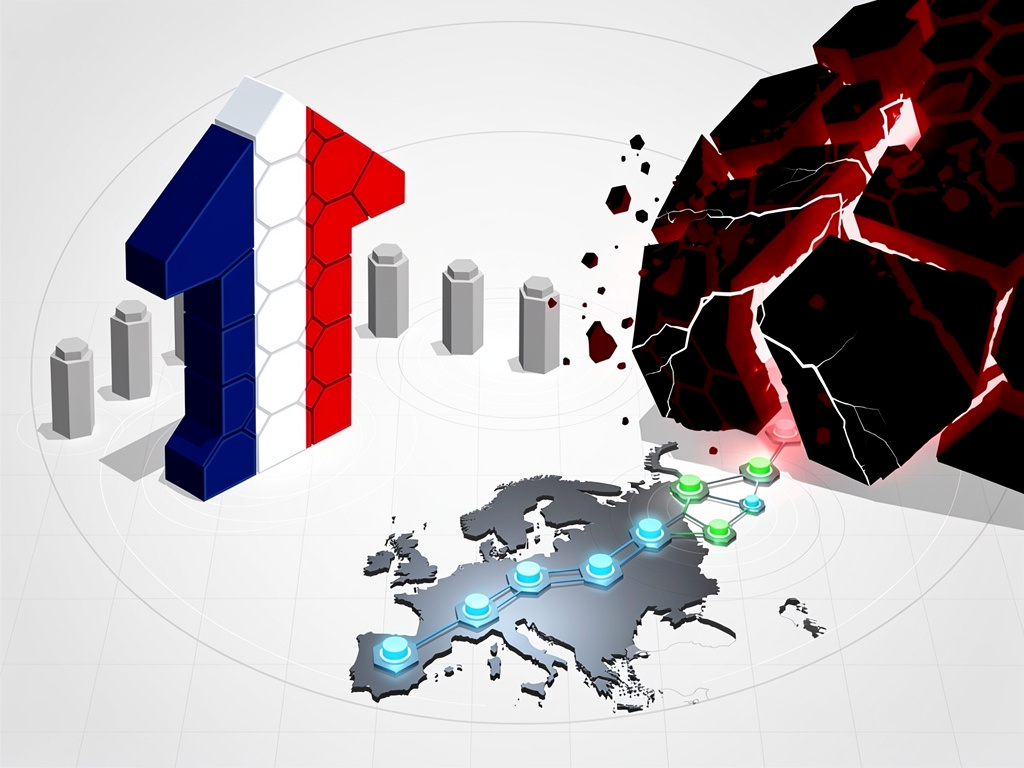
France’s Finance Minister Roland Lescure stood in Lacq, a southwestern town primed for rare-earth processing, and laid out a bold plan. China dominates these vital materials. Time to fight back.
An online G7 ministers’ meeting kicks off Thursday. It paves the way for the mid-June leaders’ summit in Evian. The goal? Slash dependence on Beijing for rare earths and permanent magnets that power electric vehicles, wind turbines, electronics, and defense gear. Lescure didn’t mince words: “One of the projects we have in mind within the G7 is to ensure – much as the International Energy Agency was created in the 1970s when OPEC held a production monopoly – that we develop alternatives through international cooperation.” Reuters captured the urgency.
China grabbed market share through massive investments and aggressive pricing. Competitors folded. Now France wants the full value chain: secure overseas minerals, refine them, produce alloys, manufacture magnets—all on home soil. By 2030, the country targets rare earth oxides for 100% of Europe’s heavy rare earth needs, a quarter of light ones, and alloys for 10% of demand. The state steps in with looser guarantees for key projects, extended tax credits through 2028, fresh funding from investment programs and a metals fund. International traders get a nudge, too, backed by French finance guarantees.
This isn’t isolated. G7 efforts ramped up earlier. In April, finance chiefs in Washington pledged faster diversification, teaming with resource-rich nations and development banks. Japan, France, and Canada eyed alternatives to U.S.-led blocs—quotas on imports, mandates for sector diversification. Benjamin Gallezot, France’s delegate for strategic minerals, told reporters the U.S. path works, “but there are other ways to do it.” Reuters detailed the fractures.
Back in January, U.S. Treasury Secretary Scott Bessent hosted G7 plus Australia, India, Mexico, and South Korea. Price floors for rare earths surfaced. New partnerships, too. France, holding the presidency, made minerals a priority. German Finance Minister Lars Klingbeil noted the focus post-meeting. Reuters.
And October 2025? G7 energy ministers in Toronto launched a Critical Minerals Production Alliance. Britain, Canada, France, Germany, Italy, Japan, U.S.—all in. Private investment to expand non-Chinese production. Off-take agreements. Stockpiling. China mines 60-69% globally, processes 90-95%. The alliance hits that head-on. Bloomberg broke the news.
France eyes Australian projects now. Resources Minister Madeleine King said Paris grows keen, via policy and Bpifrance. Australia joined the G7 alliance, prioritizing antimony, gallium, rare earths in its reserve. Reuters. EU-U.S. ties tightened in April with a minerals MOU. Secretary of State Marco Rubio called overconcentration “an unacceptable risk.” Le Monde.
Challenges loom. China retaliated before—2010 cutoff to Japan spurred Tokyo’s moves. Export curbs followed U.S. tariffs. G7 talks permanent oversight now, a secretariat in Paris perhaps, to execute Evian decisions like stockpiles. Italy, France, Germany lead EU pilots. Reuters, today’s report.
Japan funds allies via Asian Development Bank. Canada pushes buyers’ clubs. India negotiates with Brazil, Canada, France, Netherlands. Momentum builds. But scaling production? Costly. Time-intensive. Beijing watches.
France’s Lacq bet pays if G7 aligns. Evian could birth an IEA-like body. Supply security for green tech, defense. No more stranglehold. Or so they hope.
Western finance ministers agree: diversify now. Subsidies flow. Partnerships form. China’s grip slips—slowly.


 WebProNews is an iEntry Publication