
Fortnite’s Pixelated Betrayal: When AI Invades the Battle Royale
In the ever-evolving world of video games, where creativity and innovation drive billion-dollar empires, a storm has erupted over Epic Games’ flagship title, Fortnite. Players, long accustomed to the game’s vibrant, hand-crafted aesthetics, are now accusing the developers of injecting artificial intelligence-generated content into its latest chapter, sparking debates about authenticity, ethics, and the future of artistic integrity in gaming. This controversy, unfolding in real time across social media and gaming forums, highlights tensions between technological advancement and traditional craftsmanship, as fans dissect in-game assets for signs of what they derisively call “AI slop.”
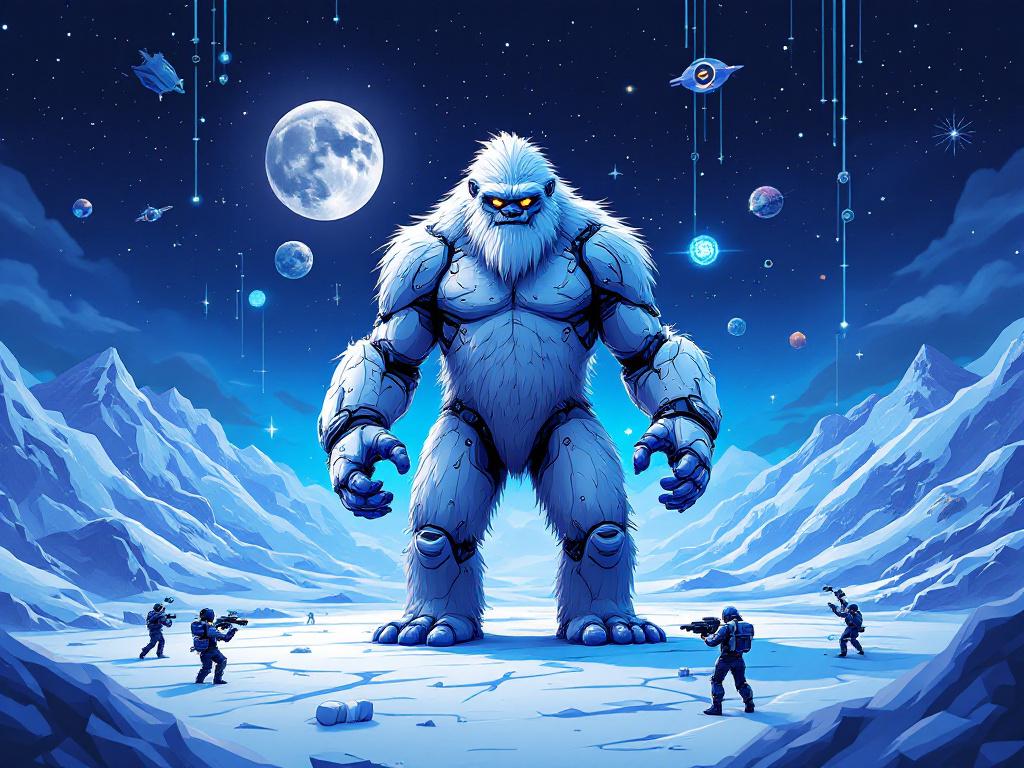
The uproar began shortly after the launch of Fortnite Chapter 7, a major update that introduced new maps, characters, and thematic elements. Gamers quickly zeroed in on certain posters, sprays, and background art that appeared suspiciously flawless yet flawed in telltale ways—extra fingers, mismatched proportions, and unnatural compositions often associated with generative AI tools. One particularly scrutinized image depicts a yeti-like character lounging in a hammock, sporting an anomalous nine toes, which many pointed to as a hallmark of machine-made errors. This isn’t just nitpicking; for a community that prides itself on immersion, these perceived shortcuts feel like a betrayal of the human touch that has defined Fortnite’s appeal since its 2017 debut.
Epic Games, the studio behind Fortnite, has faced similar whispers before, but this time the backlash is amplified by recent statements from its CEO, Tim Sweeney. Just days before the chapter’s release, Sweeney publicly criticized platforms like Steam for requiring disclosures about AI use in games, arguing that such labels could stigmatize innovation. Now, with players flooding Reddit and X with evidence collages, the irony is palpable. Posts on X reflect a groundswell of frustration, with users decrying the potential replacement of human artists by algorithms, especially in a game that generates massive revenue through cosmetic sales.
Unpacking the Accusations
Fueling the fire are detailed breakdowns from players and artists alike. On forums like Reddit’s r/gaming and r/pcgaming, threads with thousands of upvotes showcase side-by-side comparisons of Fortnite’s new art against known AI-generated outputs. One post, garnering over 8,500 votes, labels the suspected images as “AI slop” and calls for a boycott, emphasizing how a company with Epic’s resources—boasting annual revenues in the billions—should invest in real talent rather than automated shortcuts. Similar sentiments echo in news coverage, where outlets report on the community’s detective work, from pixelated anomalies to stylistic inconsistencies that don’t align with Fortnite’s established art direction.
A key flashpoint is a poster featuring the aforementioned nine-toed yeti, which ignited widespread speculation. As detailed in an article from IGN, a Fortnite artist stepped forward to defend their work, providing concept sketches and progress shots to prove it was human-made. The artist explained that the odd toe count was an intentional stylistic choice, not an AI glitch, and shared timestamps to verify the timeline. This rebuttal has split opinions: some accept it as proof of authenticity, while skeptics argue it doesn’t address other questionable assets in the update.
Beyond this single image, accusations extend to music and sound design. Reports suggest that certain tracks in Chapter 7 exhibit repetitive patterns and lack the nuanced layering typical of human composers, leading to claims of AI involvement there as well. An piece from Futurism captures this sentiment, noting how gamers are “accusing Fortnite of having in-game art and music that is AI-generated” fresh off the update. The article highlights the timing, coming right after Sweeney’s comments on AI transparency, which many see as a green light for undisclosed use.
Epic’s Stance and Industry Ripples
Epic Games has not issued a comprehensive response to the allegations, but indirect statements from company representatives suggest a dismissal of the claims as overblown. In a nod to past incidents, Sweeney has previously asserted that Epic does not use generative AI in final products, a point reiterated in various interviews. However, this hasn’t quelled the unrest. Coverage from Polygon delves into one artist’s debunking of a specific claim, yet acknowledges that broader suspicions persist, with fans convinced that at least some elements slipped through via AI tools.
The controversy isn’t isolated to Fortnite; it reflects wider shifts in the gaming sector, where AI is increasingly touted as a efficiency booster. Tools like Midjourney and Stable Diffusion have democratized art creation, but at the cost of jobs and originality, according to critics. In Fortnite’s case, the game’s metaverse ambitions—blending user-generated content with official assets—complicate matters. Players worry that undisclosed AI could erode trust, especially in a title where microtransactions fund elaborate skins and emotes. Posts on X amplify this, with users sharing memes and threads that mock Epic’s potential cost-cutting measures, often tying it to layoffs in the industry.
Adding layers, historical context shows Epic’s tangled relationship with AI. Earlier this year, the company faced backlash over AI voice synthesis in collaborations, as noted in older posts on X where users debated the ethics of replicating voices without full transparency. While not directly related, these incidents build a narrative of Epic pushing boundaries, sometimes at the expense of community goodwill. Analysts point out that Fortnite’s player base, numbering in the hundreds of millions, is particularly vocal, turning minor gripes into viral campaigns.
Voices from the Community
Diving deeper into player reactions, the outcry reveals a generational divide. Younger gamers, immersed in AI-driven tools like ChatGPT for everyday tasks, might be more accepting, viewing it as inevitable progress. But veteran artists and purists decry it as devaluing human creativity. A report from Eurogamer.net quotes fans expressing disillusionment, with one stating they’re “done with this game” after spotting the alleged AI art. This mirrors sentiments in PC Gamer’s coverage, where the timing of Sweeney’s Steam critique is highlighted as particularly tone-deaf.
On the flip side, defenders argue that AI can enhance workflows without replacing artists entirely. The debunked yeti poster, for instance, shows how quick judgments can harm reputations. As per Insider Gaming, the artist who created it provided irrefutable evidence, turning the spotlight back on overzealous accusers. Yet, this hasn’t stopped the hunt for more examples, with players using tools like AI detectors to scan in-game files, sharing findings on platforms like Reddit.
The economic angle is crucial too. Fortnite’s battle pass and item shop generate enormous profits, and any perception of skimping on quality could impact sales. Industry insiders note that if AI suspicions prove founded, it might prompt regulatory scrutiny, especially as governments worldwide grapple with AI ethics. In the U.S., where Epic is based, there’s growing pressure for transparency in creative industries, echoing debates in Hollywood over AI scripts.
Broader Implications for Gaming
Extending beyond Epic, this saga underscores how AI is reshaping content creation across entertainment. Competitors like Roblox and Minecraft already incorporate user-generated AI elements, but Fortnite’s scale makes it a bellwether. A piece from The Times of India describes the revolt as players accusing Epic of “prioritizing speed over human artists,” a sentiment that resonates in an era of rapid updates to keep engagement high.
Moreover, the controversy ties into labor issues. With recent layoffs at Epic and other studios, AI is seen as a culprit, automating roles once held by illustrators and designers. Posts on X from earlier in the year, including those referencing AI voice controversies, illustrate ongoing unease. One viral thread from a gaming account lambasts Fortnite’s thumbnails as “AI-generated slop,” linking it to broader trends of content theft and meme overuse.
Looking ahead, Epic might need to adopt clearer policies on AI to rebuild trust. Some suggest mandatory disclosures, similar to what Sweeney opposed, could prevent future backlashes. Meanwhile, artists are leveraging the moment to showcase their portfolios, proving that human ingenuity still holds value in a digital age.
Navigating the Fallout
As the dust settles—or perhaps intensifies—with ongoing updates, the Fortnite AI debate serves as a case study in balancing innovation with authenticity. Players continue to monitor patches for corrections, with some vowing to abandon the game if proofs emerge. Coverage from Metro News notes fans “hunting down evidence” in Chapter 7, underscoring the detective-like fervor.
In parallel, positive stories emerge, like the artist who debunked claims, reminding us that not all anomalies are artificial. This duality—suspicion versus verification—defines the current climate. For Epic, addressing these concerns head-on could strengthen its position, perhaps through behind-the-scenes reveals of their art pipeline.
Ultimately, this episode prompts reflection on what makes games special: the human stories woven into every pixel. As AI tools advance, the industry must decide how to integrate them without alienating the creators and communities that fuel its success. Fortnite, once a beacon of collaborative fun, now stands at a crossroads, its future hinging on transparency in an opaque technological era.


 WebProNews is an iEntry Publication