
Racing Ahead: Ford’s High-Octane Bet on Formula 1 to Challenge China’s Automotive Edge
In the high-stakes world of global auto manufacturing, where electric vehicles and digital interfaces define the next generation of mobility, Ford Motor Co. is turning to an unlikely ally: the adrenaline-fueled circuits of Formula 1 racing. At the helm is CEO Jim Farley, who sees the company’s partnership with Oracle Red Bull Racing not just as a return to motorsport glory, but as a strategic weapon in the battle against Chinese automakers’ technological prowess. This collaboration, set to power Red Bull’s engines starting in 2026, is more than a publicity stunt—it’s a crash course in software innovation that Farley believes could redefine Ford’s competitive position.
Farley, a racing enthusiast with a background in Toyota’s luxury division, has been vocal about the lessons gleaned from this venture. In a recent interview, he highlighted how developing the hybrid power unit for Red Bull has sharpened Ford’s focus on software integration, a domain where Chinese brands like BYD and Xiaomi are surging ahead. “Chinese cars are really good,” Farley admitted, underscoring the urgency for Western automakers to catch up. The partnership involves co-developing a 350kW electric motor and a combustion engine compatible with sustainable fuels, blending Ford’s engineering heritage with Red Bull’s cutting-edge aerodynamics and data analytics.
This move comes at a pivotal time for the industry, as new F1 regulations emphasize hybrid technology and sustainability, mirroring broader shifts in consumer vehicles. Ford’s reentry into F1 after a two-decade hiatus was announced in 2023, with Farley himself tweeting about the shared “winning DNA” between the two brands. The collaboration extends beyond the track, aiming to transfer racing-derived software insights into Ford’s lineup of electric and connected cars.
Lessons from the Pit Lane
The engine project, dubbed Red Bull Ford Powertrains, represents one of the most ambitious undertakings in Ford’s recent history. As detailed in a Top Gear feature, Farley described it as “one of the hardest things we’ve ever done,” given the complexity of the 2026 regulations that demand advanced hybridization and real-time data processing. This isn’t just about building a faster engine; it’s about mastering the digital ecosystem that powers it—telemetry, predictive diagnostics, and AI-driven optimizations that could revolutionize everyday driving.
Industry observers note that Chinese manufacturers have already integrated such technologies seamlessly. Posts on X, formerly Twitter, from users like Kyle Chan recount Farley’s eye-opening trip to China in 2023, where he test-drove an electric SUV from Ford’s joint venture partner Changan and realized the gap in user experience. Chinese vehicles often feature effortless phone mirroring, AI assistants, and over-the-air updates that make Western models seem outdated. Farley echoed this in discussions, warning that legacy automakers face an “existential threat” without rapid adaptation.
Ford’s strategy leverages F1’s extreme environment to accelerate innovation. The partnership with Red Bull provides access to world-class aerodynamics and sensor data, which Farley says is crucial for electric and digital vehicles. As reported in Business Insider, developing the F1 engine has taught him a key lesson: software is the battleground where Ford can “beat China at the car game.” This involves not only hardware but also the intangible edge of real-time software that anticipates driver needs.
Bridging Racing and Road Cars
The transfer of technology from track to street is a cornerstone of this initiative. Ford engineers are embedding F1-derived software into models like the Mustang and Bronco, enhancing features such as predictive maintenance and adaptive interfaces. A Yahoo Finance article highlights Farley’s bet on enthusiast products, positioning racing as a proving ground for consumer tech. He envisions software that mirrors the precision of F1 telemetry, allowing cars to self-diagnose issues or optimize energy use in real time.
Chinese competitors, meanwhile, have turned their domestic market into a lab for innovation. Brands like Huawei and Xiaomi are embedding AI deeply into vehicles, creating ecosystems where cars integrate with smart homes and personal devices without friction. Farley’s own X post from 2023 announced the partnership, emphasizing hybrid tech that aligns with global sustainability goals, but recent sentiments on the platform, including from Cyrus Janssen, amplify his concerns about China’s lead.
This isn’t Ford’s first foray into motorsport for tech gains—historical successes in Le Mans and NASCAR have informed past designs—but the Red Bull tie-up is uniquely focused on software. As per insights from AutoRacing1.com, the collaboration highlights Ford’s journey back to the racetrack, drawing parallels to how racing data can counter China’s software dominance. Farley has stressed that F1’s digital diagnostics are essential for competing in an era where vehicles are as much about code as combustion.
The Competitive Horizon
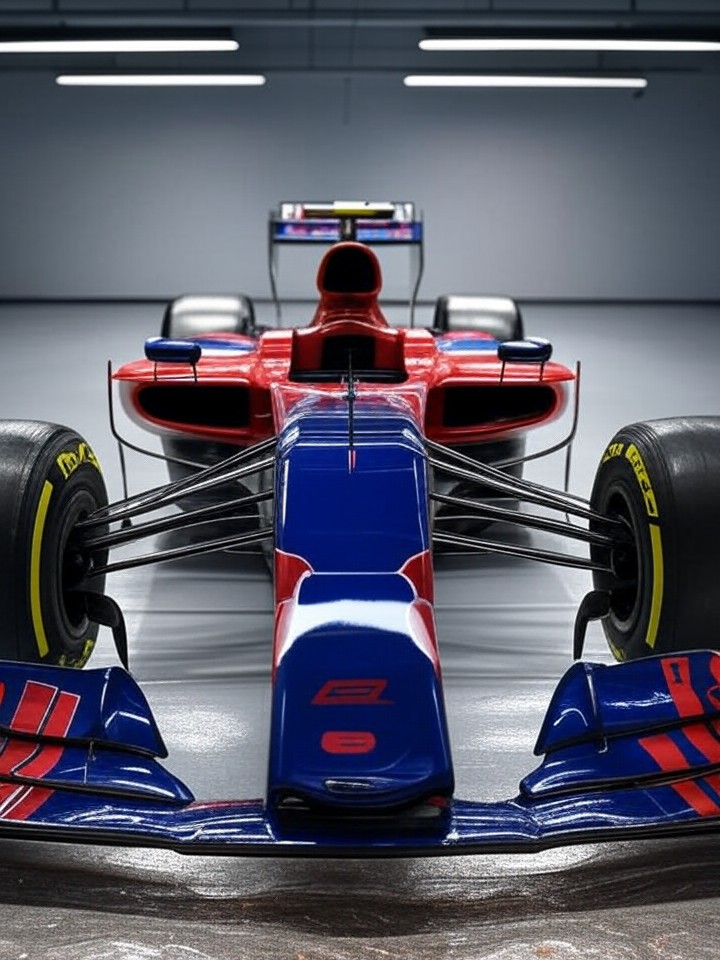
Looking ahead to 2026, the stakes are high. Red Bull unveiled its car concept recently, powered by the joint engine, amid fanfare at events like the Detroit Auto Show. Farley, in conversations captured by AOL, noted that this project brings Ford closer to matching Chinese cars’ appeal through superior software. He points to the integration of AI for personalized driving experiences, something Chinese EVs already offer with features like voice-activated controls and seamless connectivity.
Challenges abound, however. Building an F1 engine from scratch is a “mountain to climb,” as Farley put it in X posts echoed by F1 Naija, requiring not just technical prowess but also talents like driver Max Verstappen for leadership. Red Bull’s engine chief, Ben Hodgkinson, detailed in Motorsport.com how the four-year development race has focused on hybrid efficiency, lessons that could trickle down to Ford’s electric lineup amid rising competition.
Moreover, geopolitical tensions add layers. Tariffs on Chinese EVs in markets like the U.S. and Europe provide some breathing room, but Farley warns against complacency. His trips to China, as shared in posts by DaiWW on X, revealed automakers there “moving at the speed of light” with AI and advanced tech, prompting Ford to rethink its global strategy.
Innovation Through Partnership
The Red Bull alliance extends Ford’s reach into emerging tech. As outlined in Top Gear Philippines, both teams share a drive to win, with Ford contributing manufacturing scale to Red Bull’s agile innovation. This symbiosis is key for software development, where F1’s data-heavy environment tests algorithms under extreme conditions, refining them for road use.
Farley has positioned himself as Ford’s “racer in chief,” betting on this to revitalize the brand. X discussions, such as those from Real Racers Turn Right, note Ford’s interest in Red Bull’s software expertise, emphasizing F1’s digital nature. This could lead to breakthroughs in autonomous features or energy management, directly countering China’s strengths in integrated tech ecosystems.
Yet, success isn’t guaranteed. Critics question if racing investments will yield tangible consumer benefits, especially as Ford navigates profitability in EVs. Farley’s vision, however, is clear: use F1 to leapfrog competitors by mastering software that makes cars smarter and more intuitive.
Global Implications for Auto Giants
The broader industry watches closely. Western automakers like General Motors and Stellantis face similar pressures from China’s export surge. Farley’s approach—tapping motorsport for tech—could inspire others, as seen in partnerships like Ferrari’s with tech firms. In a The Athletic piece, Red Bull’s Ford era is hyped, but results will define its legacy starting in 2026.
For Ford, this is about survival in a digitizing world. Chinese brands’ rapid iteration cycles, fueled by massive domestic demand, have created vehicles that feel like extensions of digital life. Farley, drawing from F1, aims to infuse Ford’s offerings with similar seamlessness, from the Mustang’s infotainment to Bronco’s off-road analytics.
As the 2026 season approaches, the partnership’s true test will be on the track, but its ripple effects could reshape Ford’s road ahead. By channeling racing’s precision into software, Farley seeks not just victories in F1, but a sustained edge over China’s automotive ascent.
Strategic Shifts and Future Trajectories
Delving deeper, Ford’s investment in Red Bull Powertrains involves significant resources, with teams in Milton Keynes and Dearborn collaborating on simulations and prototypes. This cross-continental effort, as per X sentiments from RBR News, underscores the need for F1-level telemetry in everyday EVs, where data drives efficiency and user satisfaction.
Farley’s personal involvement—racing in vintage cars himself—adds authenticity to the strategy. He has shared how Chinese tech integration, like Huawei’s in-car AI, mirrors F1’s real-time adjustments, pushing Ford to accelerate its digital transformation.
Ultimately, this F1 gamble positions Ford at the forefront of a tech arms race, blending heritage with innovation to challenge global rivals. Whether it propels Ford past China’s lead remains to be seen, but the engines are revving for a transformative showdown.


 WebProNews is an iEntry Publication