
Musk’s Legal Gambit Falters: The Battle Over OpenAI’s Secrets in the Shadow of Apple Alliances
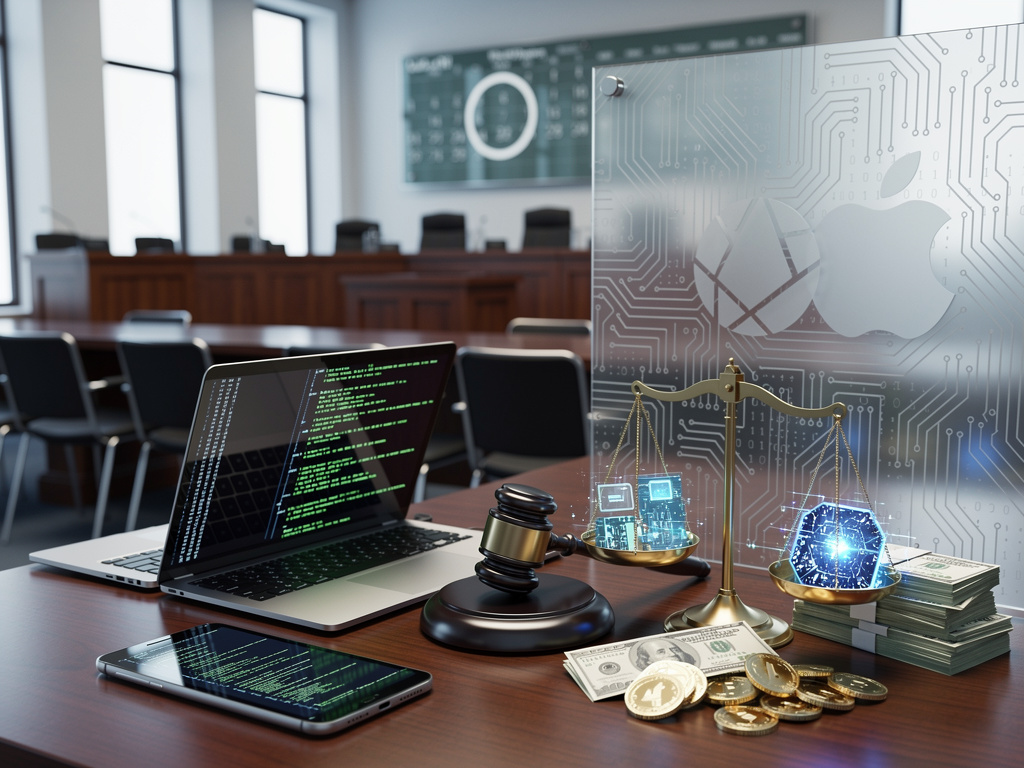
In the high-stakes arena of artificial intelligence, where billion-dollar valuations and groundbreaking technologies collide, Elon Musk’s ongoing legal feud with OpenAI has taken another dramatic turn. A federal judge has rejected Musk’s attempt to compel OpenAI to disclose its closely guarded source code, a move that underscores the complexities of discovery in one of the most watched tech lawsuits of the decade. This ruling, issued in the context of Musk’s broader antitrust claims against OpenAI and its partner Apple, highlights the tensions between innovation, competition, and proprietary secrets in the AI sector.
Musk, the mercurial CEO of Tesla and SpaceX, who also founded xAI, alleges that OpenAI’s shift from a nonprofit to a for-profit entity betrayed its original mission and unfairly profited from his early contributions. The lawsuit, which seeks up to $134 billion in damages, accuses OpenAI of fraud and breach of contract, claiming that leaders like Sam Altman assured Musk the organization would remain nonprofit to advance AI for humanity’s benefit. Recent court developments have kept the case alive, with a jury trial scheduled for March, as reported by TechCrunch.
The specific denial came in response to Musk’s motion for OpenAI to hand over its source code, which he argued was essential to proving anticompetitive practices stemming from OpenAI’s exclusive integration with Apple’s iOS ecosystem. According to court documents, Musk’s team contended that access to the code would reveal how OpenAI’s models, like those powering ChatGPT, are intertwined with Apple’s AI features, potentially stifling competitors such as Musk’s own Grok AI. However, the judge ruled that such a disclosure was overly burdensome and not sufficiently justified at this stage.
Discovery Disputes Escalate Amid Broader Antitrust Claims
Judge Yvonne Gonzalez Rogers, presiding over the case in Oakland, California, not only denied the source code request but also criticized the excessive discovery demands from both sides. As detailed in a report from StartupNews.fyi, the judge noted that the litigation has been bogged down by numerous disputes, urging parties to streamline their requests. This decision is part of a larger pattern in the lawsuit, where Musk has positioned himself as a defender of open AI development against what he calls a monopolistic alliance between OpenAI and tech giants like Microsoft and Apple.
The antitrust angle gained traction last November when a judge denied motions by Apple and OpenAI to dismiss Musk’s claims. Posts on X, formerly Twitter, from users like DogeDesigner highlighted the ruling, emphasizing how Apple’s integration of ChatGPT into iOS allegedly gives OpenAI an unfair advantage, reaching hundreds of millions of users while barring rivals. This integration, announced in 2024, allows seamless AI functionalities in Apple’s devices, but Musk argues it creates a closed ecosystem that harms competition.
At the heart of Musk’s grievances is his history with OpenAI. As a co-founder who invested $38 million and helped recruit talent, Musk claims he was misled about the company’s trajectory. Evidence presented in court, as covered by The Guardian, suggests OpenAI’s leaders made assurances about maintaining a nonprofit structure, only to pivot to for-profit in 2019, attracting billions from Microsoft.
The Stakes: Billions and the Future of AI Governance
Musk’s legal team has escalated demands, seeking compensation that could reach $134 billion, framing him as an early investor entitled to massive returns. A piece in Reuters explains that this figure represents “wrongful gains” from his support, including financial input and reputational leverage. Despite Musk’s estimated $700 billion fortune, the lawsuit underscores his narrative of betrayal, positioning xAI and his platform X as alternatives committed to transparent AI advancement.
The source code denial is particularly stinging for Musk, as it limits his ability to scrutinize OpenAI’s technical integrations with Apple. According to 9to5Mac, the judge deemed the request premature, suggesting that less invasive evidence could suffice to build Musk’s case. This ruling aligns with broader judicial caution in tech disputes, where source code—often a company’s crown jewel—is protected unless absolutely necessary.
OpenAI, for its part, has countered that Musk was aware of the need for a for-profit model as early as 2017, citing internal communications. In a timeline outlined by Techloy, the feud traces back to Musk’s departure in 2018 amid disagreements over control and direction. OpenAI argues that its evolution was essential to fund advanced research, and that Musk’s lawsuit is motivated by competitive rivalry rather than genuine concern.
Implications for Tech Alliances and Regulatory Scrutiny
The case’s progression to trial in March carries significant implications for how AI companies structure partnerships. Apple’s involvement adds another layer, as the iPhone maker faces its own antitrust pressures from regulators worldwide. Musk’s suit claims the exclusive deal with OpenAI violates antitrust laws by creating barriers for other AI providers, a point echoed in X posts from accounts like X Daily News, which noted the potential for limiting innovations like Grok’s integration.
Industry observers see this as a test of whether founding agreements in startups hold weight after pivots. As reported in AP News, Judge Gonzalez Rogers highlighted “plenty of evidence” of potential fraud, including withheld information from Musk. This could set precedents for investor protections in rapidly evolving tech fields.
Moreover, the denial of source code access raises questions about transparency in AI. Musk has long advocated for open-source approaches, contrasting with OpenAI’s increasingly proprietary stance. If the trial proceeds as planned, jurors will weigh whether OpenAI’s restructuring constituted a breach, potentially forcing the company to disgorge profits or alter its business model.
Personal Rivalries Fuel Corporate Clashes
Beyond the legal intricacies, the lawsuit embodies personal animosities. Musk and Altman, once collaborators, now trade barbs publicly. Altman has dismissed the suit as baseless, while Musk uses X to amplify his claims, garnering millions of views. Sentiment on X, as seen in posts from users like Muskonomy, reflects a divide: supporters view Musk as a whistleblower, while critics see it as sour grapes from a spurned founder.
The financial demands are eye-popping, with Musk’s team arguing for returns “many orders of magnitude” greater than his investment, per TechCrunch‘s coverage. This includes claims against Microsoft, accused of profiting from the shift. If successful, it could redistribute wealth in AI and deter similar restructurings.
As the trial approaches, both sides are ramping up preparations. OpenAI’s motion for summary judgment was denied, ensuring a jury decides the facts. The source code ruling, while a setback for Musk, doesn’t derail his core arguments, leaving room for appeals or adjusted discovery.
Evolving Dynamics in AI Competition
Looking ahead, this litigation could influence regulatory approaches to AI. With governments scrutinizing big tech, a win for Musk might encourage more challenges to exclusive deals. Conversely, a victory for OpenAI could validate flexible corporate structures in pursuit of technological progress.
The Apple angle is crucial, as its ecosystem dominance amplifies OpenAI’s reach. Musk’s antitrust claims, if proven, could force Apple to open up integrations, benefiting smaller players. As detailed in Business Insider, the judge’s rejection of dismissal motions signals a willingness to let these issues play out in court.
Ultimately, this saga reflects the volatile world of AI development, where ideals of openness clash with commercial realities. As Musk pushes forward, the outcome may reshape how AI giants operate, ensuring that the quest for intelligent machines doesn’t trample on principles of fair play.
Reflections on Innovation and Accountability
In dissecting this case, it’s clear that Musk’s bid for source code was more than a tactical move; it was an attempt to pierce the veil of secrecy surrounding AI’s inner workings. The judge’s denial, as per recent updates on X from accounts like 9to5Mac, reinforces protections for intellectual property, even in heated disputes.
The broader feud, chronicled in TIME, could have ripple effects across the sector, from startup funding to ethical AI frameworks. With a trial date set, the tech world watches closely.
As discovery continues amid these denials, the case exemplifies the challenges of holding tech titans accountable. Whether Musk prevails or not, his lawsuit has already spotlighted critical debates on AI’s direction, ensuring that the industry’s path forward is anything but straightforward.


 WebProNews is an iEntry Publication